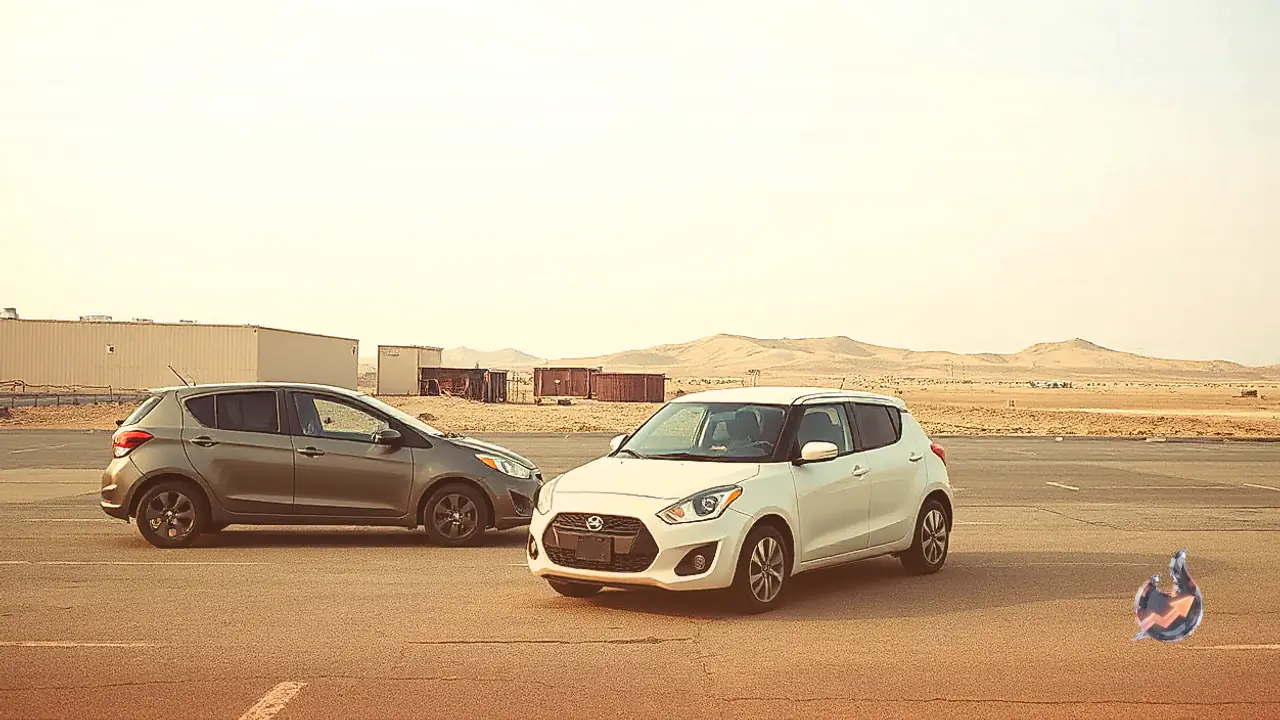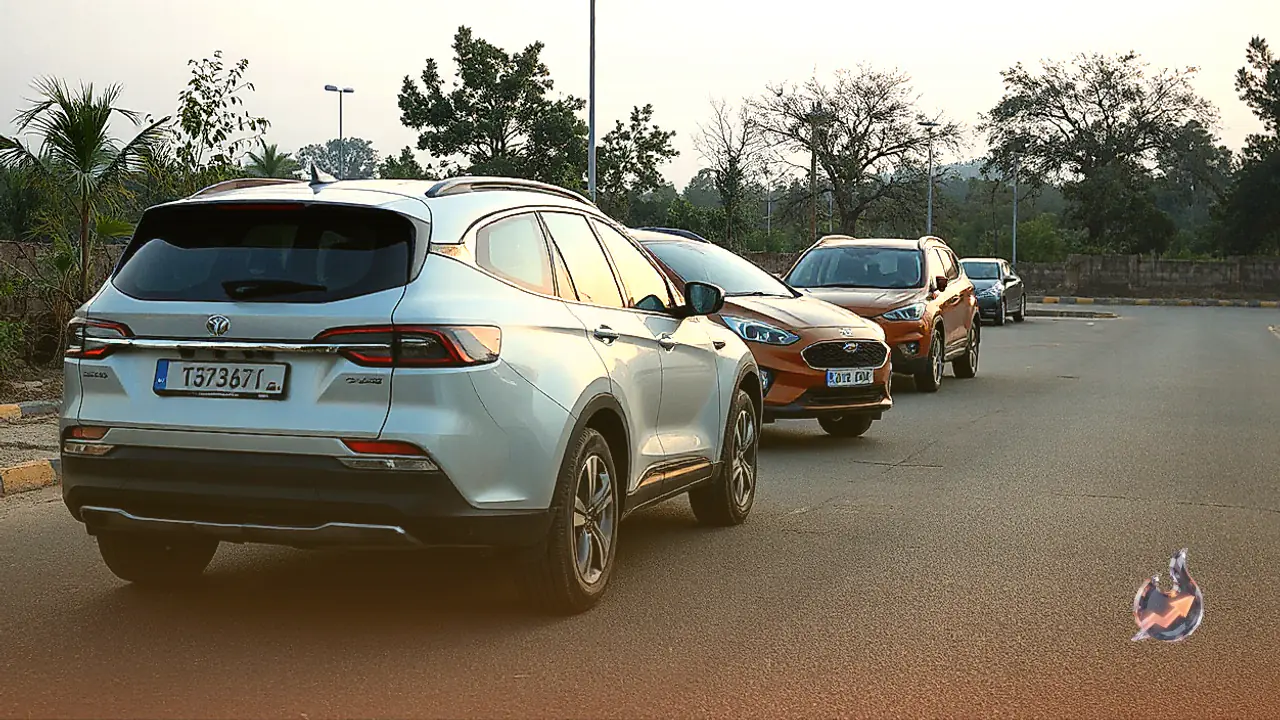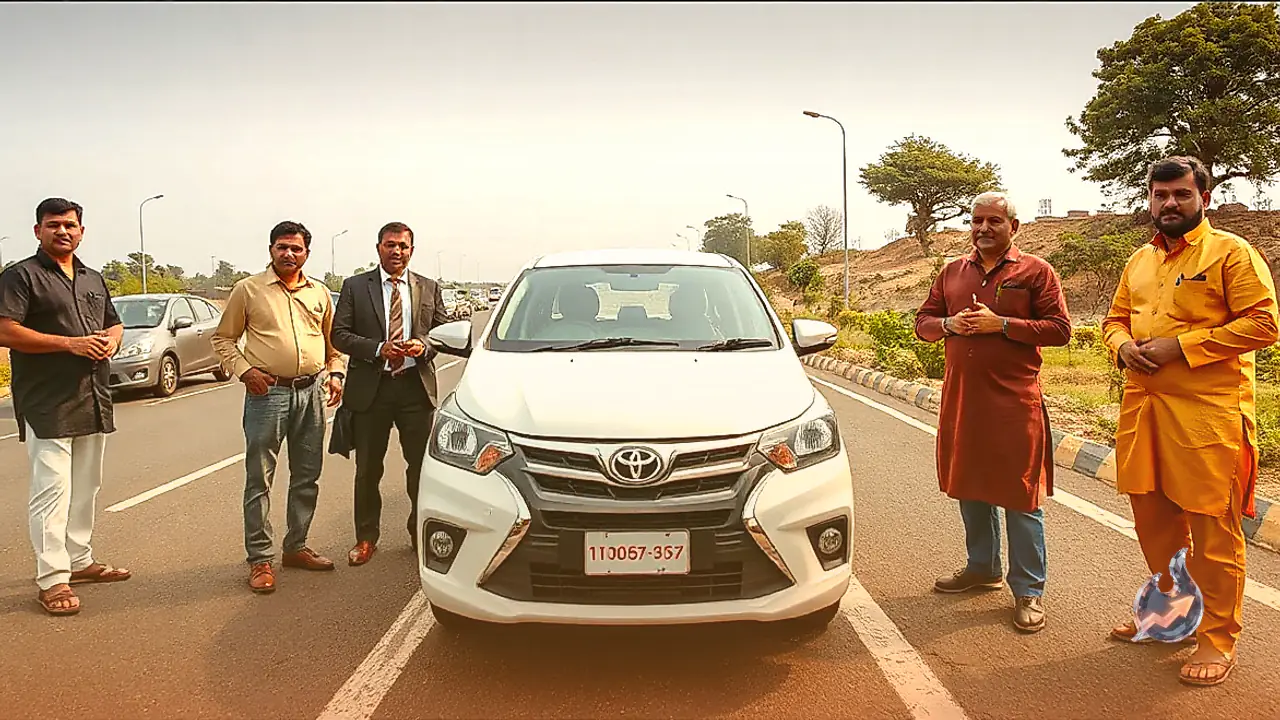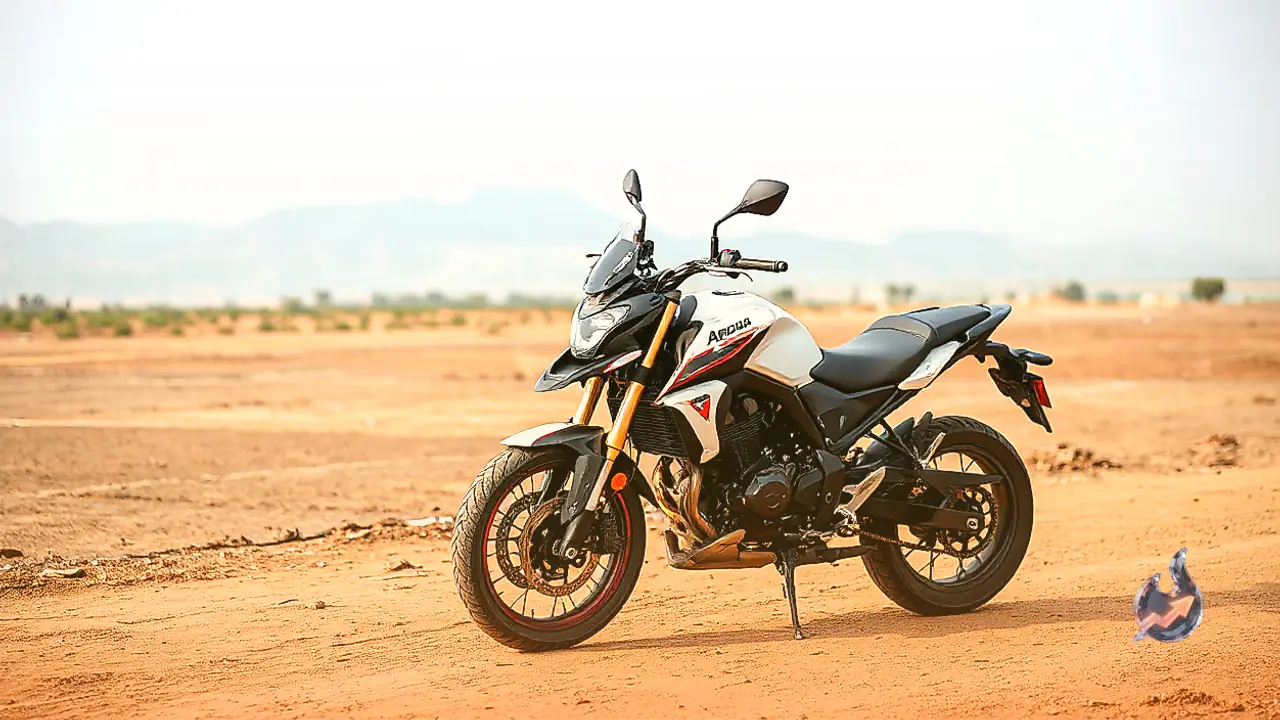

























Selecting the right fuel powertrain is one of the most critical decisions for buyers planning to purchase a new vehicle during the festive period. Automobile expert Dharamveer Kushwaha from Agra observes that CNG vehicles are witnessing heightened consumer interest in current market trends. For individuals commuting long distances on a daily basis, opting for CNG provides significant savings on recurring fuel bills. However, prospective buyers should also account for the fact that showroom acquisition costs for factory-fitted CNG models remain somewhat higher than their standard petrol counterparts.
Petrol Powertrains for Shorter Commutes
For salaried office-goers who do not need to cover extended distances each day, petrol cars frequently serve as a sensible and economical pick. When daily running is comparatively low, spending higher upfront capital on a diesel or CNG alternative may not prove cost-effective. Evaluating the vehicle's initial price against personal day-to-day driving demands allows buyers to choose a petrol model that fits their budget without overburdening initial finances.
Commercial Fleet Preference for CNG Models
Dharamveer Kushwaha highlights that commercial fleet and taxi drivers overwhelmingly favour CNG-powered cars for daily operations. Within this segment, the Maruti Swift and Ertiga experience particularly strong demand. Exceptional fuel economy coupled with lower running costs makes them dependable options for commercial purposes. An added benefit is that CNG cars come equipped with an integrated petrol fuel tank. In situations where the compressed gas runs out or refilling stations are absent along highway routes, drivers can seamlessly continue their journey on petrol, making it convenient for long-haul travel.
Rural Trust in Diesel and Electric Infrastructure Realities
In rural and countryside areas, customers continue to place their trust in robust diesel vehicles. According to the expert, models such as the Bolero and Scorpio are considered reliable for tackling broken roads, long distances, and steep gradients. This capability also makes diesel vehicles the preferred choice in hilly regions. In contrast, several potential buyers still display hesitation when considering electric vehicles. A major contributing factor is the absence of adequate charging stations across multiple regions. Before deciding on an electric car, buyers should carefully evaluate their local charging infrastructure, daily routes, specific driving requirements, and overall budget.