




















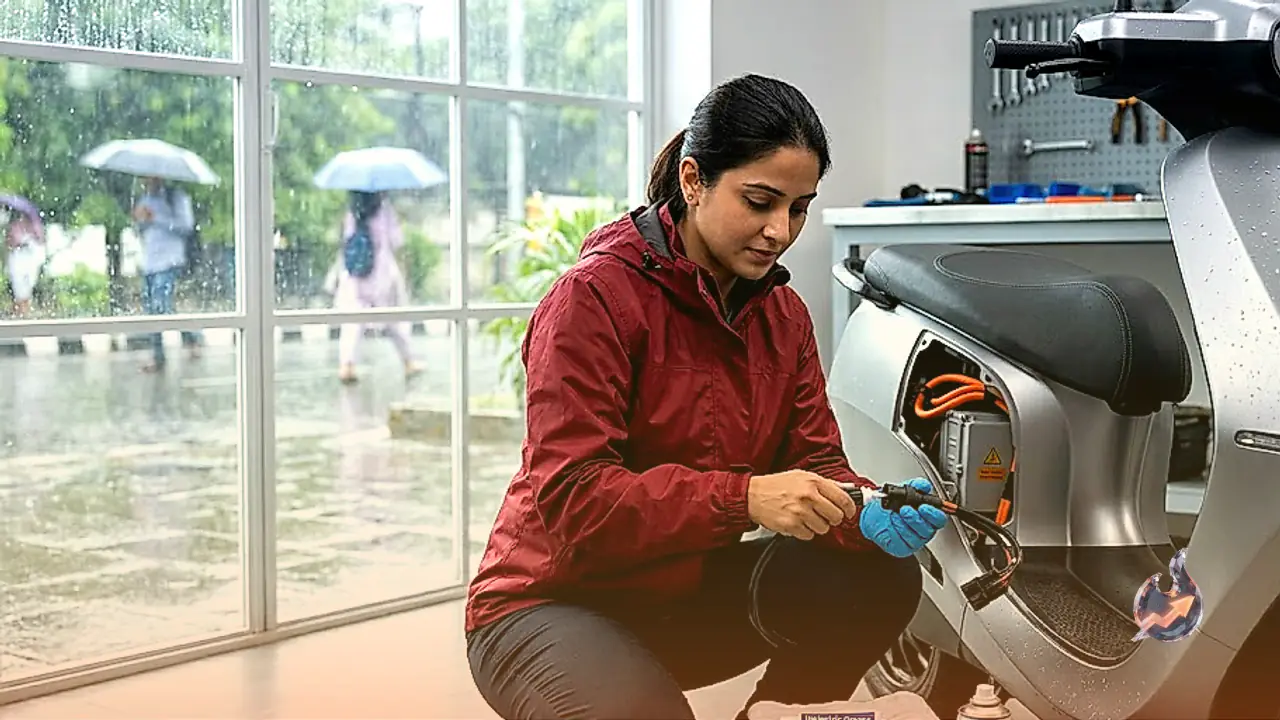

The arrival of the monsoon season in India brings much-needed relief from the scorching summer heat, but it simultaneously presents a formidable set of challenges for vehicle owners, particularly those who ride electric scooters. Unlike conventional internal combustion engine vehicles, electric two-wheelers are heavily reliant on sensitive electronic systems, complex wiring networks, high-capacity lithium-ion battery packs, and electric motors. Exposure to heavy downpours, waterlogged streets, and persistent atmospheric humidity can severely compromise these critical components. If riders do not take proactive care of their eco-friendly machines, they risk facing accelerated battery degradation, catastrophic short circuits, structural rust, and a drastic drop in overall operating efficiency. By taking a few precautionary steps, you can save yourself from expensive repair bills and ensure a smooth ride.
Protecting Your Scooter From Water Ingress
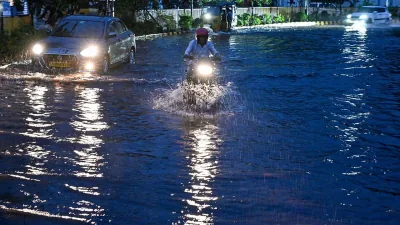
When it comes to safeguarding an electric vehicle during the rainy season, moisture is the ultimate adversary. To combat this, parking your scooter in a covered, dry area is highly recommended. When outdoor parking is unavoidable, always use a high-quality, custom-fitted waterproof cover that prevents water from seeping into the dashboard and battery compartment. Additionally, navigating flooded streets requires extreme caution. Riding through deep puddles can submerge the hub-mounted motor or the battery pack, potentially breaching their ingress protection (IP) seals, such as IP67 or IP68 ratings. If you have no choice but to cross a waterlogged stretch, maintain a slow and steady speed to minimize splashing. Once you reach a safe destination, park the vehicle in a dry spot and thoroughly dry off all accessible parts with a soft, clean cloth.
Smart Battery Management and Charging Protocols
The lithium-ion battery pack is the very heart of an electric scooter, demanding meticulous care when the weather turns wet. You must establish a strict protocol of never plugging in your scooter to charge immediately after riding in the rain or if the vehicle is wet. If the scooter has been exposed to moisture, let it air-dry completely in a well-ventilated space for at least 2 to 3 hours before connecting the charger. This simple precaution prevents dangerous electrical faults and potential short circuits at the charging port. Furthermore, optimize your battery's health by maintaining its charge level within the recommended 20% to 80% range, avoiding the habit of leaving it plugged in overnight to prevent overcharging. Regularly inspect the battery terminals for any early signs of corrosion or oxidation, which can disrupt the flow of current.
Inspecting Tires, Braking Systems, and Suspension
Monsoon showers significantly reduce traction on asphalt, making roads slick and highly unpredictable. Consequently, conducting regular checks on your scooter's tires is non-negotiable. Ensure that the tire treads have sufficient depth to channel water away effectively, and maintain the manufacturer-recommended tire pressure to maximize road grip. Braking performance also tends to deteriorate when water, mud, and road grime accumulate on the brake pads and discs. Clean these components regularly to ensure responsive braking. Do not overlook the suspension system; moisture can easily lead to rust on the shock absorbers. Applying a light coat of anti-rust spray or grease to the suspension joints will prevent stiffness and squeaking noises during your rides.
Post-Ride Cleaning and Moisture Displacement
Allowing dirty rainwater and mud to dry on your electric scooter is a recipe for long-term damage. After negotiating a wet commute, make it a habit to wipe down your scooter with a dry, microfiber cloth. Pay close attention to vulnerable areas such as the underbody, wire connectors, and exposed joints. To protect delicate electrical contacts, utilize specialized products like WD-40 or dedicated electric contact cleaners. These formulations work by displacing trapped moisture and forming a protective barrier against corrosion. If your electric scooter utilizes a drive chain or has exposed moving mechanical parts, ensure they are cleaned and adequately lubricated to prevent friction-induced wear.
Pre-Season Servicing and Proper Storage Guidelines
Taking your electric scooter to an authorized service station for a comprehensive diagnostic check-up before the heavy rains start is an excellent preventive measure. Certified technicians can inspect the integrity of the waterproof seals, check wiring insulation, and run diagnostics on the battery management system. For riders who plan to store their electric scooters unused for an extended period during the wet season, proper preparation is key. Store the vehicle in a dry, well-ventilated, and covered environment. To keep the battery healthy during prolonged storage, charge it periodically, ideally once a month, to prevent deep discharge. Lastly, review your vehicle's insurance policy and warranty terms to fully understand what coverage is available for water-related damages, ensuring peace of mind during the wet months.