






















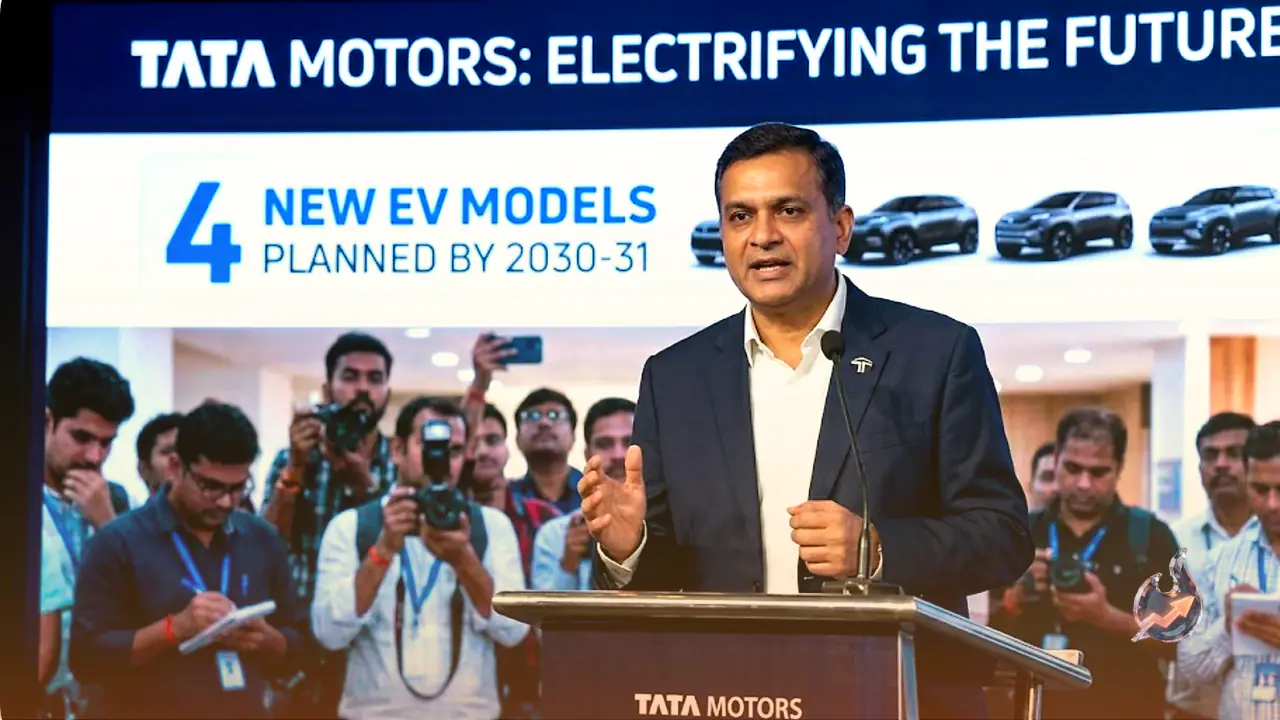

The adoption of electric vehicles in India has moved past the early adopter phase, signaling a significant shift in consumer behavior. To maintain its dominance in the EV sector, Tata Motors Passenger Vehicles has unveiled plans to launch four new electric models and over 10 advanced variants by the 2030-31 fiscal year. The company informed investors that it is preparing for the next growth phase of its EV segment, with an ambitious target of reaching a 30 percent market penetration by 2030-31.
The Evolving Indian EV Market
Tata Motors noted that the Indian EV market is transitioning from early adopters to the early majority. The company intends to refine its product strategy to bridge the gap between early and late majority buyers. While early majority consumers require successful case studies to be convinced, late majority buyers wait for technology to become mainstream before committing. By catering to these segments, the manufacturer aims to make electric mobility accessible to a wider demographic of the Indian public.
Segmenting the Customer Base
According to data shared by Tata Motors, innovators currently account for 2.5 percent of the market, representing those willing to take risks on new technology. Early adopters comprise 13.5 percent of the segment. The largest portions of the market are held by the early and late majority groups, both representing 34 percent each. Meanwhile, laggards, who are traditionalists resistant to change, make up 16 percent of the demographic landscape.
Building a Robust Portfolio
The company confirmed a strategy to hold a 10-vehicle EV portfolio by 2030-31. To strengthen its offerings for the next growth cycle, Tata Motors will continue to introduce new models. The current lineup includes the Xpress-T, Curvv, Harrier, Nexon, Punch, and Tiago. Among the upcoming models, the Sierra is highly anticipated, as it will be built on the company's Avinya concept.
Beyond new vehicle launches, Tata Motors is focusing on critical technical upgrades. The company is actively working to enhance its EV range by two to three times while aiming to triple the speed of fast charging. Additionally, the manufacturer is targeting a 20 to 23 percent increase in battery energy density, ensuring that future models offer both greater efficiency and superior performance for long-distance driving.