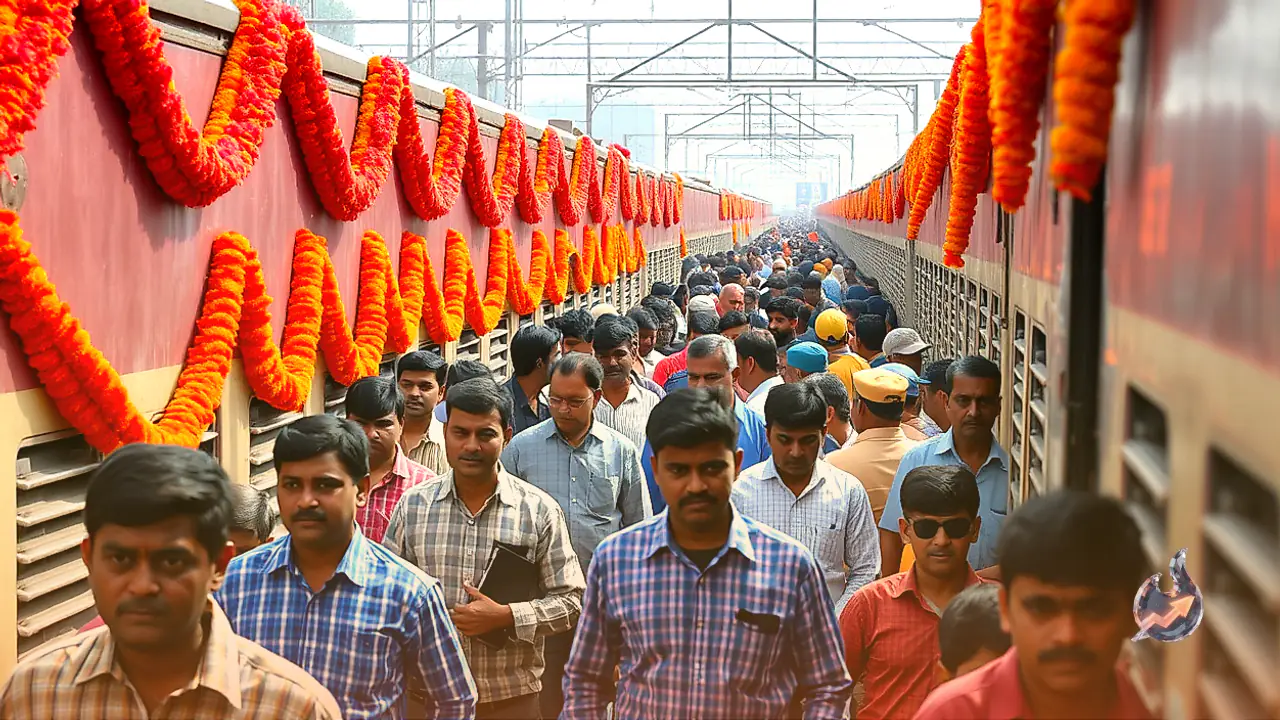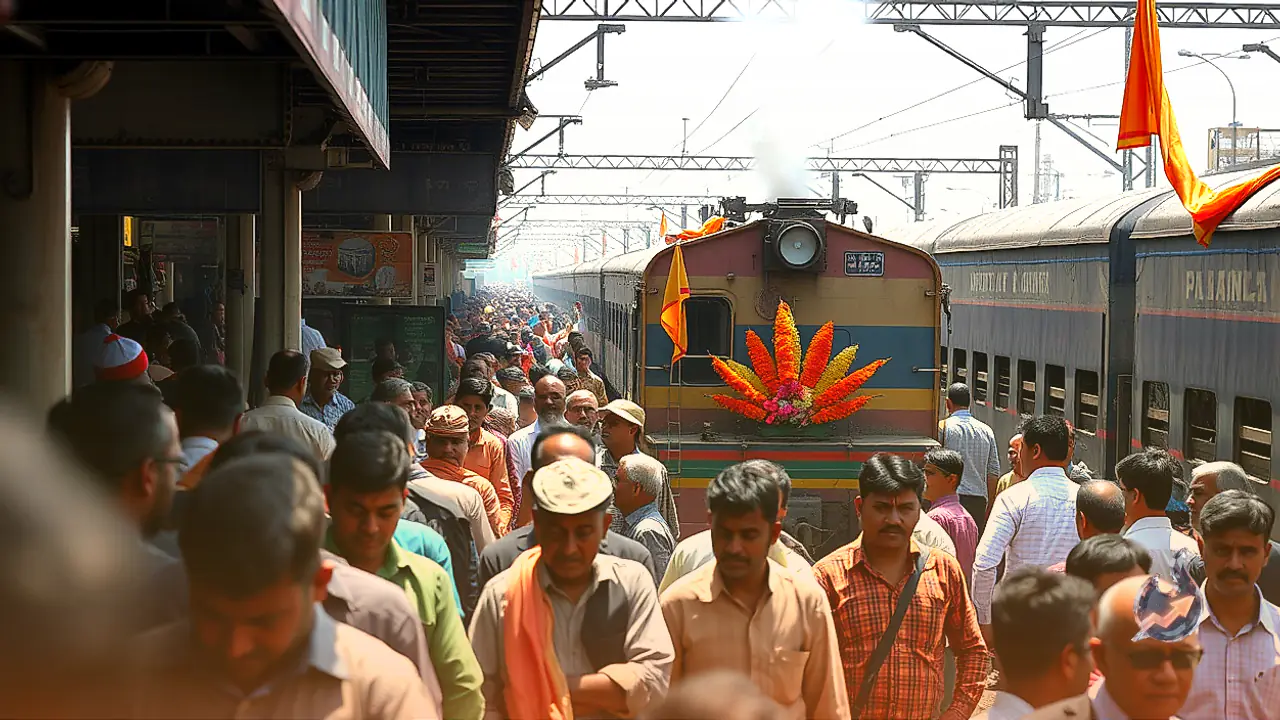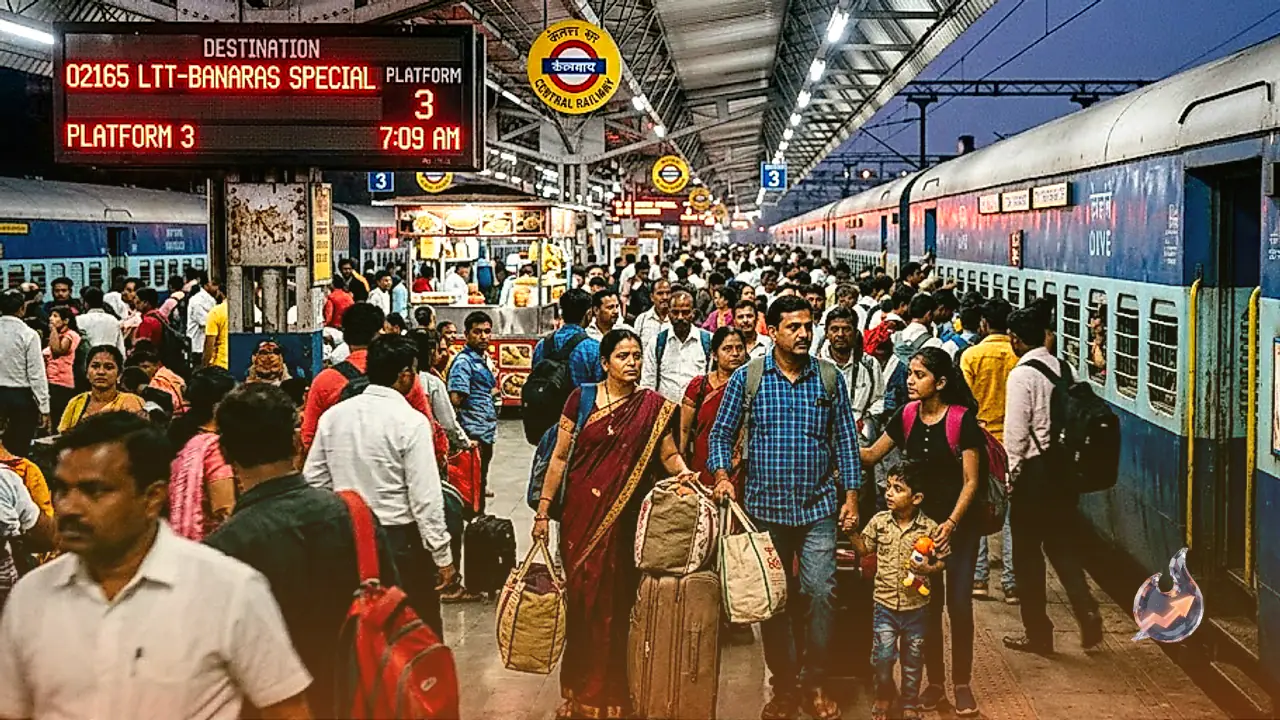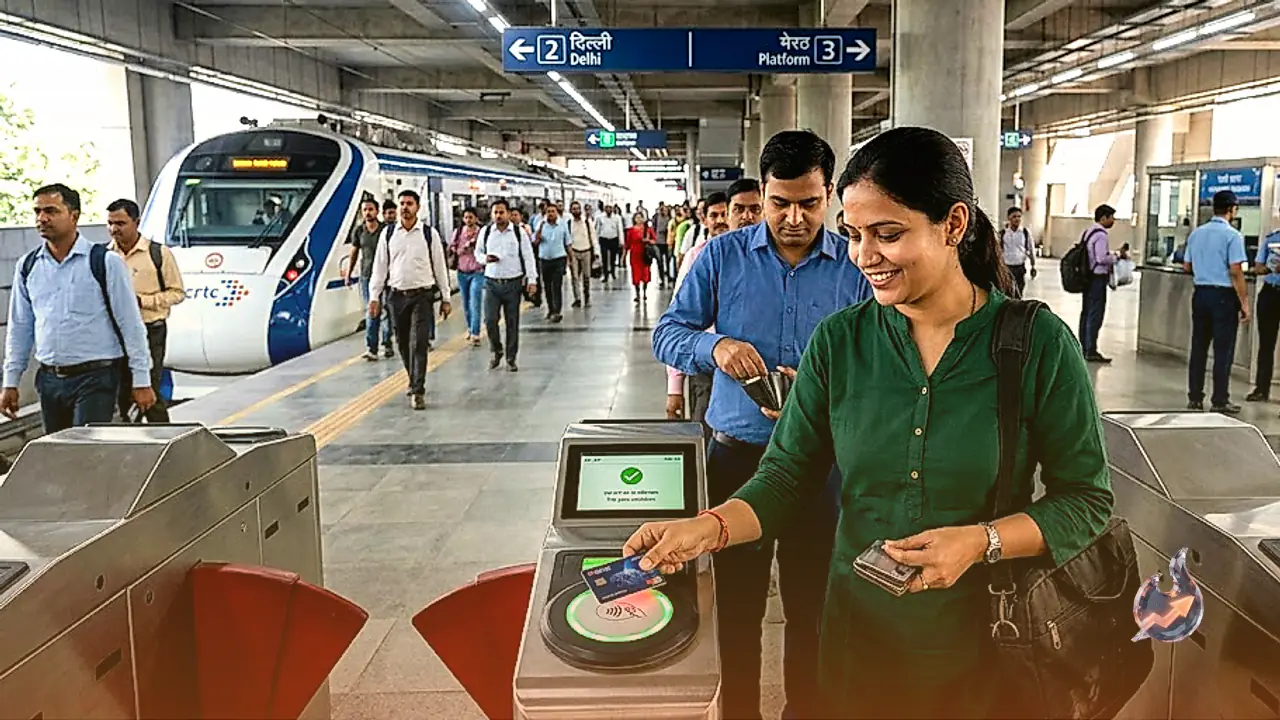























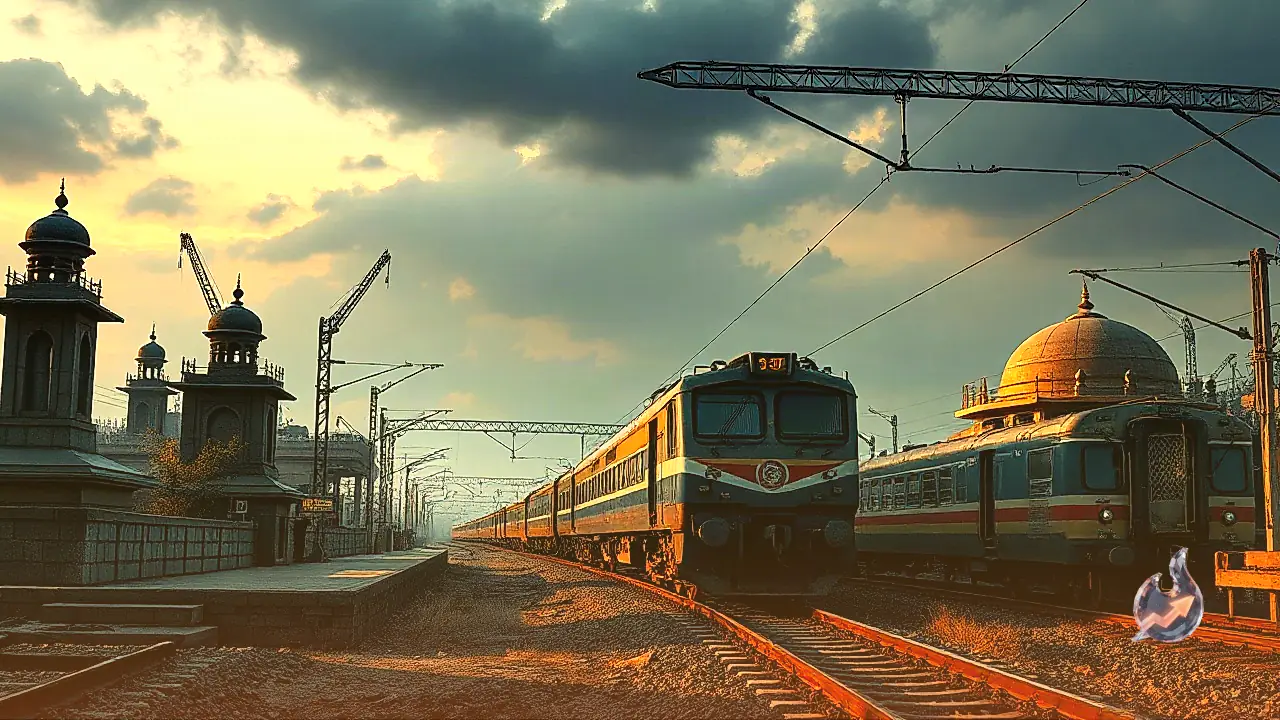

Every year during the festive seasons of Diwali and Chhath, railways experience an overwhelming surge of passengers traveling from Delhi to various destinations across Uttar Pradesh and Bihar. Long journey hours, extended travel times, and severe challenges in securing confirmed tickets have historically created significant hurdles for commuters. To address these persistent transportation bottlenecks, Indian Railways has formulated an ambitious high-speed rail connectivity vision. Union Railways Minister Ashwini Vaishnaw has outlined the details of a proposed high-speed rail corridor that promises to fundamentally reshape travel between Delhi and the northern and eastern regions of the country.
Key Destinations and Expected Travel Duration
Under the proposed high-speed rail corridor framework, transit times between the national capital and prominent urban centers in Uttar Pradesh and Bihar will be reduced drastically. The high operating speeds planned for the corridor will enable passengers to cover the 200 km distance between Delhi and Agra in approximately 58 minutes. Travel to Kanpur, located 455 km away, is projected to take just 1 hour and 45 minutes, while the 525 km journey to Lucknow will take roughly 2 hours and 12 minutes. This substantial reduction in travel times will make commuting between these major industrial and administrative hubs exceptionally efficient.
The high-speed rail network also includes major travel speed upgrades for Eastern Uttar Pradesh and Bihar. Traveling the 750 km distance from Delhi to Prayagraj will take about 3 hours, whereas the 950 km route to Varanasi is estimated at 3 hours and 30 minutes. Furthermore, the 1,170 km distance connecting Delhi to Patna, Bihar, will be completed in approximately 4 hours and 30 minutes. At present, covering this exact route via conventional passenger and express trains requires around 12 hours or even longer, underscoring the revolutionary nature of the proposed project.
Comparison with Vande Bharat and Mumbai-Ahmedabad HSR Project
This project represents a major step forward in expanding India's overall high-speed rail infrastructure. Currently, construction is underway on the Mumbai-Ahmedabad High-Speed Rail Corridor, which is engineered for a design speed of 350 km/h and an operational speed of 320 km/h. While semi-high-speed trains such as Vande Bharat have already improved domestic rail travel speeds, high-speed bullet trains operate at significantly higher velocities, enabling rapid transit over long geographic distances.
Impact on Regional Tourism, Commerce, and Transportation
Beyond slashing transit hours, the proposed Delhi-UP-Bihar high-speed corridor is anticipated to stimulate widespread economic development throughout the region. Key urban centers including Agra, Kanpur, Lucknow, Prayagraj, Varanasi, and Patna are expected to see increased business mobility, commercial trade, and tourist footfall. Additionally, the network will alleviate severe seasonal crowding during major peak periods such as Diwali and Chhath, offering passengers a modern and reliable alternative to traditional long-distance travel.