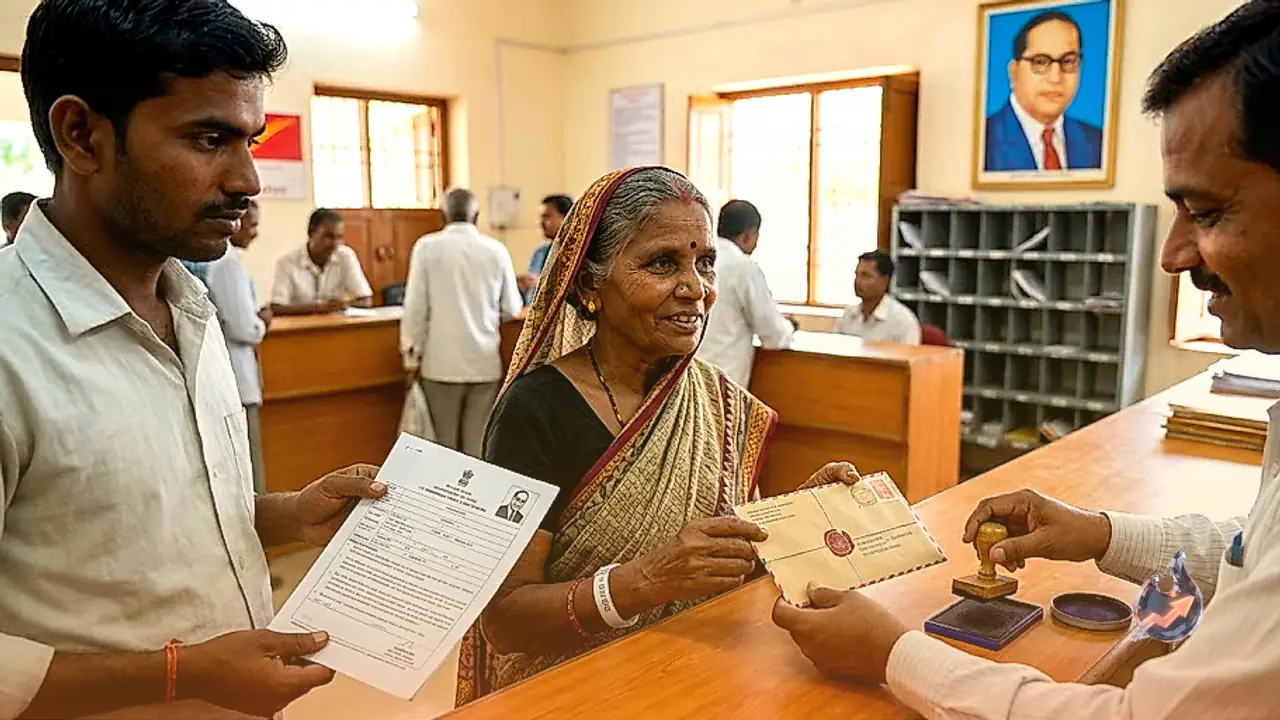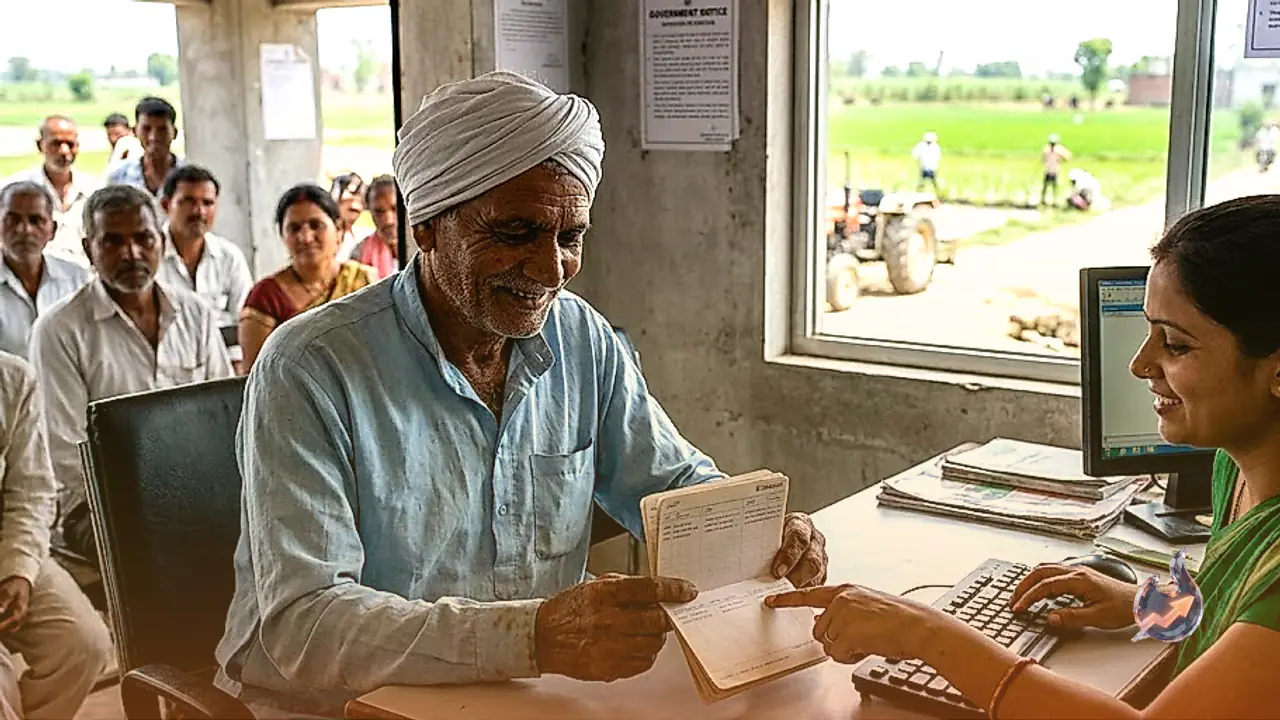






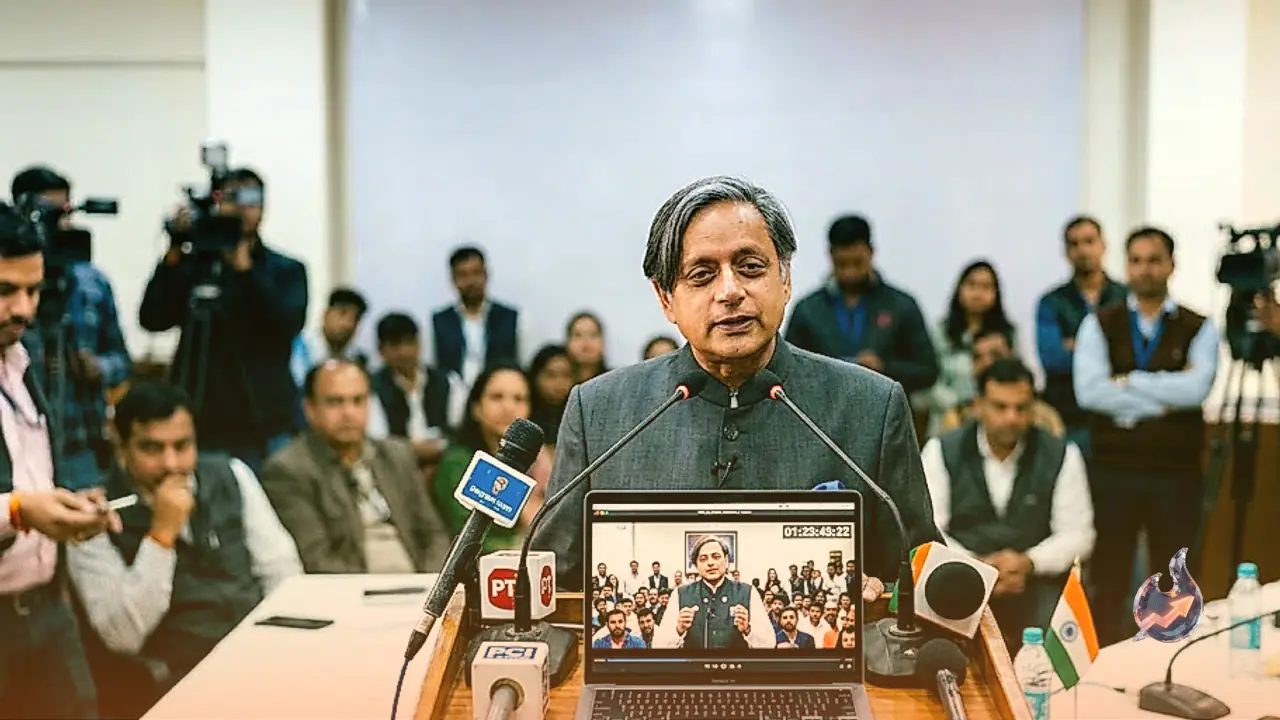

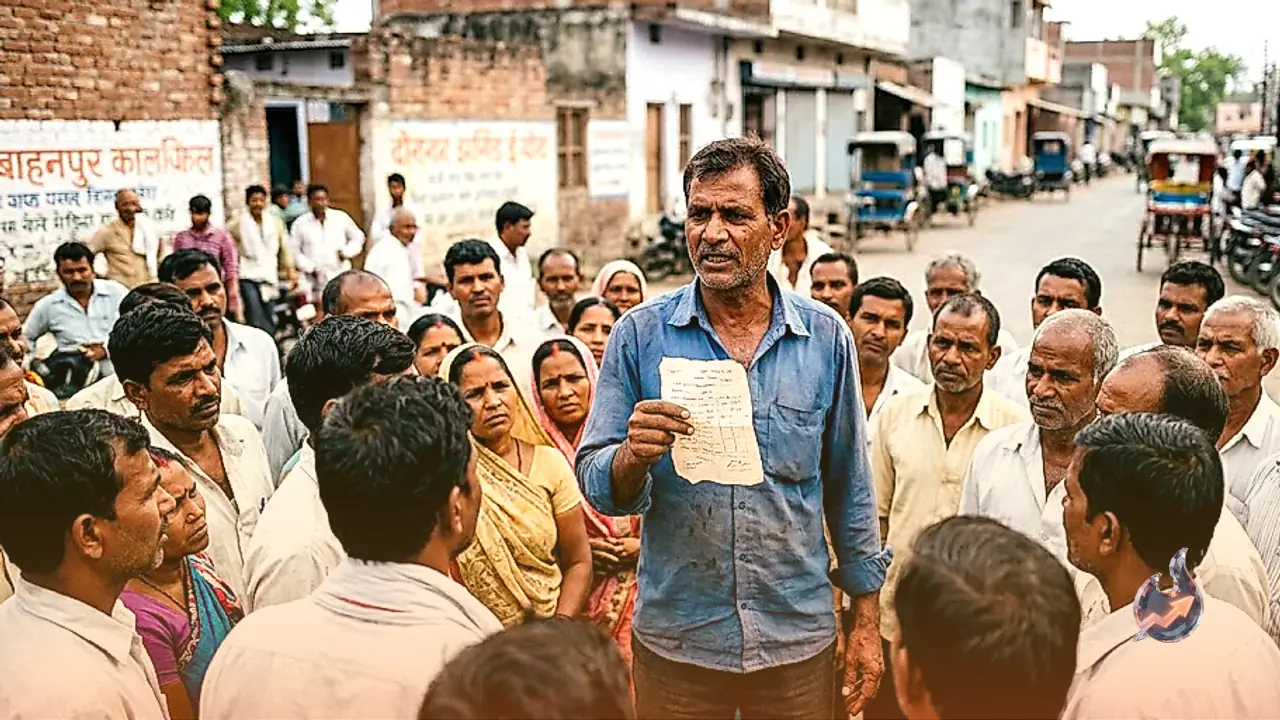














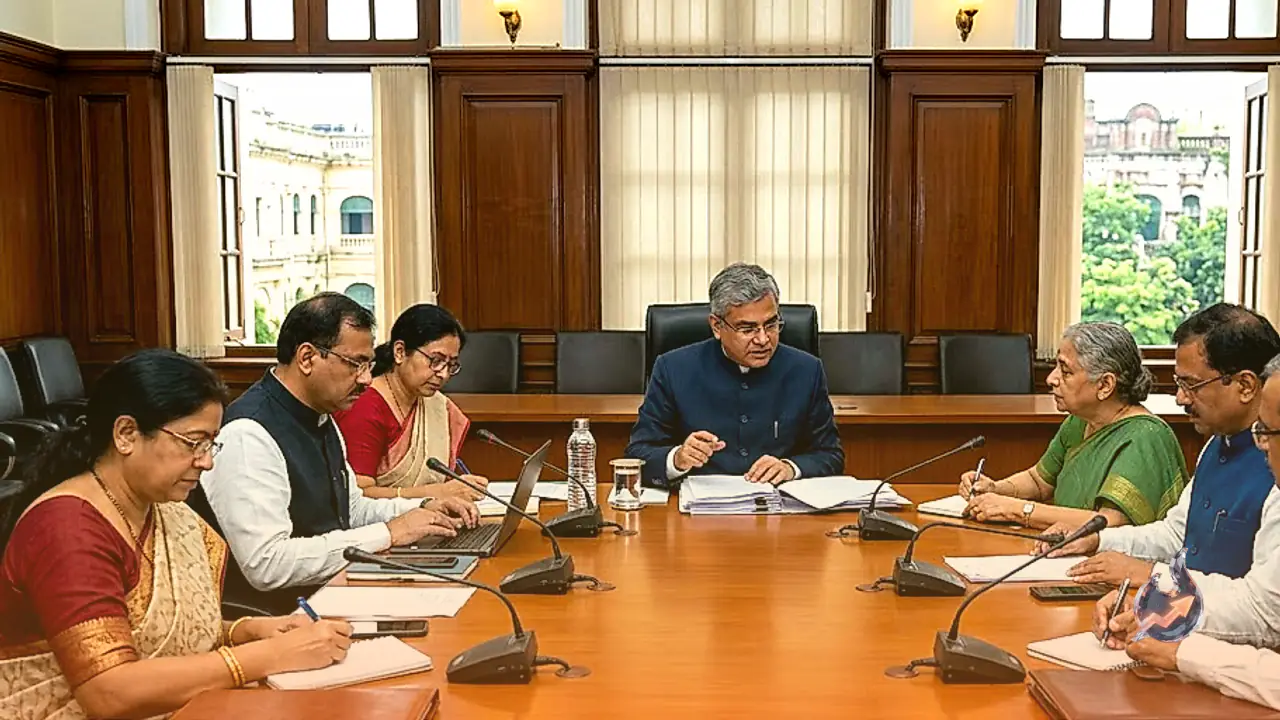

State government employees in West Bengal are set to receive significant salary revisions and improved service conditions following the official constitution of the 7th Pay Commission. While national discussions have already moved toward the upcoming 8th Pay Commission for central staff, West Bengal had previously not extended the benefits of the 7th Pay Commission to its workforce. Following a political shift and administrative transition, the state administration has launched this specialized panel to eliminate existing pay disparities and bring the local official compensation framework fully in line with central government standards.
Key Financial Reforms and Increment Enhancement
The primary responsibilities assigned to the newly formed commission center on updating the entire compensation structure for state government workers. Among the most prominent recommendations currently under evaluation is a proposal to increase the annual salary increment rate. Under the current framework, staff members receive an annual increment of 3 percent. The new commission is examining a mandate to raise this annual pay hike to at least 5 percent, providing a substantial boost to the long-term earnings growth of state personnel.
In addition to the increment boost, the commission is tasked with restructuring how Dearness Allowance is calculated and distributed. The panel's terms of reference recommend introducing a formal mechanism that links Dearness Allowance directly to the Consumer Price Index for Industrial Workers. To ensure that cost-of-living adjustments are paid reliably and without administrative delays, the commission is exploring the issuance of a standing order for regular Dearness Allowance disbursements.
Comprehensive Overhaul of Pension and Service Benefits
Beyond active monthly compensation, the 7th Pay Commission's scope encompasses a thorough review of post-retirement benefits, healthcare provisions, and career advancement pathways. A major proposal under consideration involves the restoration of commuted pension after a shortened duration of 11 years. This change aims to offer financial relief to retired personnel significantly earlier than under traditional administrative frameworks.
The panel is also reviewing current rules governing gratuity, general pension calculations, and other retirement payouts to align them with current economic realities and ongoing inflationary pressures. Officials noted that the overhaul intends to address structural inequities in service conditions, ensuring that healthcare access, career progression options, and post-employment security are comprehensively updated alongside core pay scales.
Aligning State Scales with Central Standards
A key administrative objective driving this move is achieving parity with central pay commission scales across all official departments. A senior government official highlighted that the proposals aim to rectify structural anomalies present in the current pay system. By harmonizing state salary tiers with national standards, the administration expects to eliminate wage discrepancies that have historically led to legal disputes between employees and the government.
This initiative addresses a long-standing gap. While other states across the country had previously implemented the 7th Pay Commission recommendations, the earlier state administration had refrained from adopting central pay policies. With the official establishment of this panel, efforts are now underway to ensure that state employees gain access to allowances and benefits equivalent to those offered to central government personnel.
Implementation Timeline and Practical Application
The commission has been directed to structure its recommendations so that the revised pay architecture takes practical effect from January 1, 2026. Authorities emphasize that this implementation must not remain merely a nominal or paper-based adjustment, but should result in actual, tangible financial payouts to eligible staff from the specified date.
By modernizing the compensation framework, rationalizing allowances against cost-of-living indices, and securing pension benefits, the government aims to create a stable, predictable, and fair financial ecosystem for its workforce. The panel continues its review of existing pay scales, gathering inputs to finalize recommendations that will bridge historical wage gaps.