


















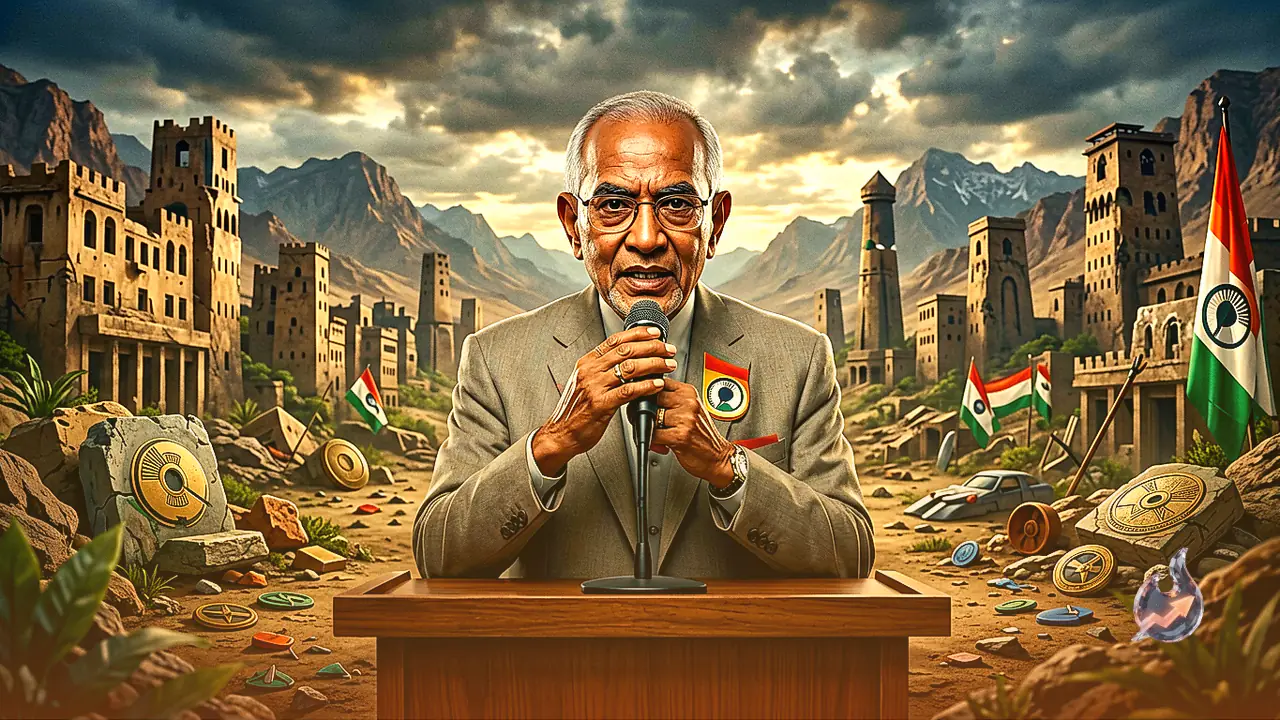

On the death anniversary of former Prime Minister Atal Bihari Vajpayee, the nation reflects on his foundational contributions to statecraft, visionary governance, and eloquence. Passing away on 16 August 2018, he remains one of the most respected figures in Indian political history, earning admiration across party lines. Beyond his stature as a seasoned statesman, he was a noted poet, journalist, and orator. His speeches inside and outside Parliament articulated national aspirations while establishing India's sovereign resolve on the global stage. During a period of intense military confrontation in Kargil and persistent cross-border tensions, his address to Parliament set enduring benchmarks for regional diplomacy and national defense policy.
Early Political Foundations and Key Milestones
Born in Gwalior, Madhya Pradesh, Atal Bihari Vajpayee joined the Rashtriya Swayamsevak Sangh and participated in the Indian independence movement during his student years. Following independence, he played a crucial role in founding the Bharatiya Jana Sangh. In 1980, when the Bharatiya Janata Party was established, he became its founding President. Prior to this, in 1977, he served as the Minister of External Affairs in the government led by Morarji Desai. As Foreign Minister, he delivered a historic address in Hindi at the United Nations General Assembly, enhancing national pride and elevating the status of the language internationally.
Three Terms as Prime Minister and Historical Achievements
Atal Bihari Vajpayee held the office of Prime Minister on three separate occasions. His initial term in 1996 lasted for 13 days. He assumed office again in 1998, leading the government for 13 months. Following the general elections of 1999, he began his third term, completing a full 5-year tenure until 2004. With this milestone, he became the first non-Congress leader in Indian history to complete a full 5-year term as Prime Minister.
Pokhran Nuclear Tests and Strategic Infrastructure
During his tenure as Prime Minister, critical decisions were taken to strengthen national security and economic infrastructure. In May 1998, defying severe international pressure and sanction threats from powers including the United States, he authorized underground nuclear tests at Pokhran in Rajasthan. These successful tests formally established India as a nuclear weapons state. On the domestic development front, his administration launched the Golden Quadrilateral highway project to connect major economic hubs across India, alongside initiating the Sarva Shiksha Abhiyan to expand access to primary education.
Kargil Conflict and Diplomatic Initiatives
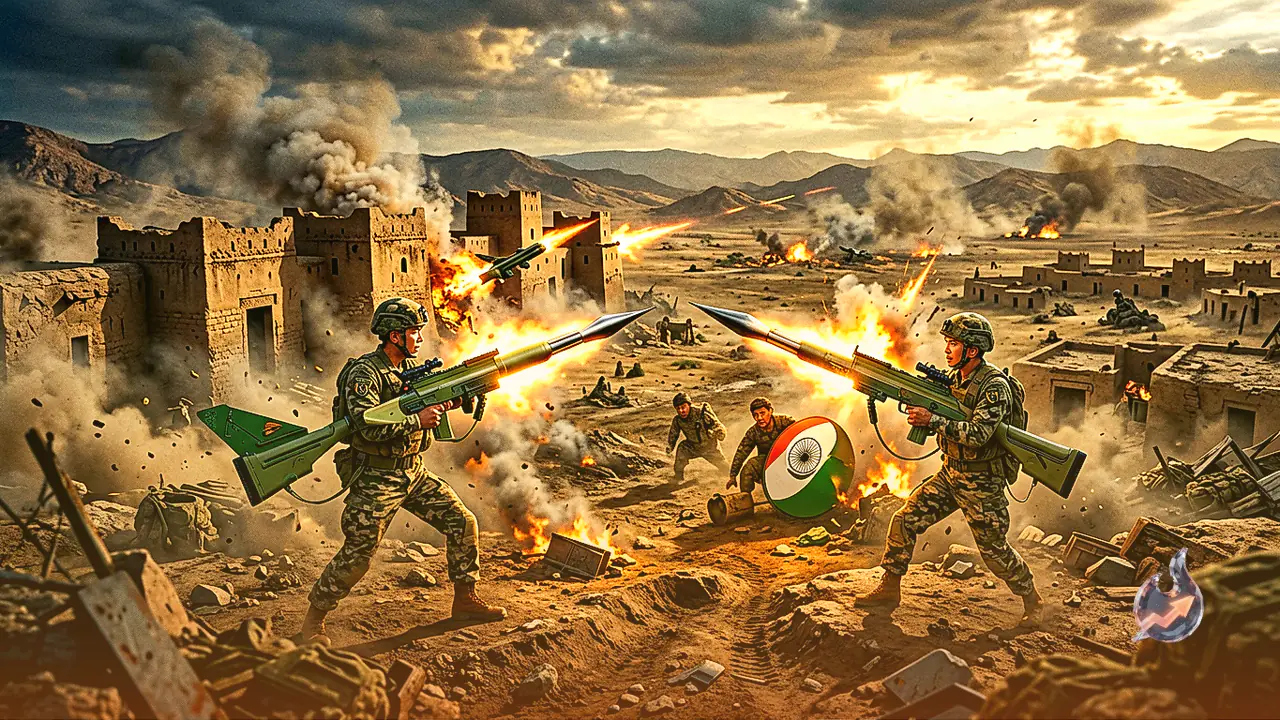
In parallel with building defensive capabilities, Atal Bihari Vajpayee pursued peace initiatives with neighboring states. He launched the Sada-e-Sarhad cross-border bus service between Delhi and Lahore to foster bilateral dialogue with Pakistan. However, when armed infiltrators crossed the Line of Control, triggering the 1999 Kargil War, the administration responded with military firmness. Indian armed forces executed Operation Vijay, successfully clearing the occupied heights and securing a decisive victory, while diplomatic efforts effectively isolated the adversary internationally.
Parliamentary Address on Regional Relations
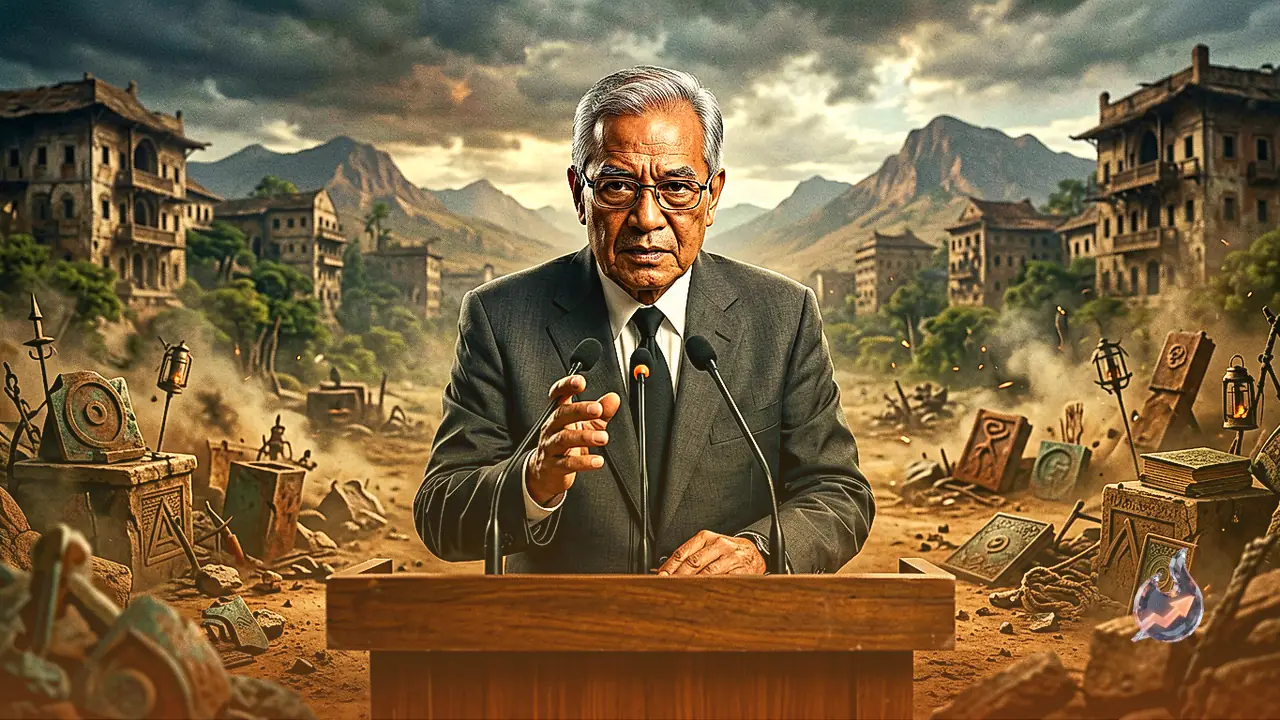
Speaking in Parliament amidst the security crisis following the Kargil conflict, Atal Bihari Vajpayee delivered a comprehensive statement regarding relations with Pakistan and global powers. He reiterated that India held no intention or desire to destabilize Pakistan, noting that both nations shared similar socio-economic challenges and required a peaceful environment for development. He emphasized India's readiness for structured dialogue with all neighbors, citing ongoing bilateral discussions with Nepal regarding shared river waters and economic cooperation.
Firm Position on Sovereignty and Third-Party Intervention
Addressing core territorial disputes during the parliamentary debate, Atal Bihari Vajpayee delivered an unequivocal warning regarding regional security. He stated,
"जम्मू-कश्मीर को हथियारों के बल पर हथियाने की बात अपने मन से निकाल दें।"He reaffirmed that while India remained open to bilateral discussions on manageable subjects, territorial integrity was non-negotiable. Furthermore, amidst subtle diplomatic pressure from global powers such as the United States and China, he explicitly rejected any third-party mediation in South Asian bilateral affairs, emphasizing that outside intervention would not be permitted under any circumstances.