













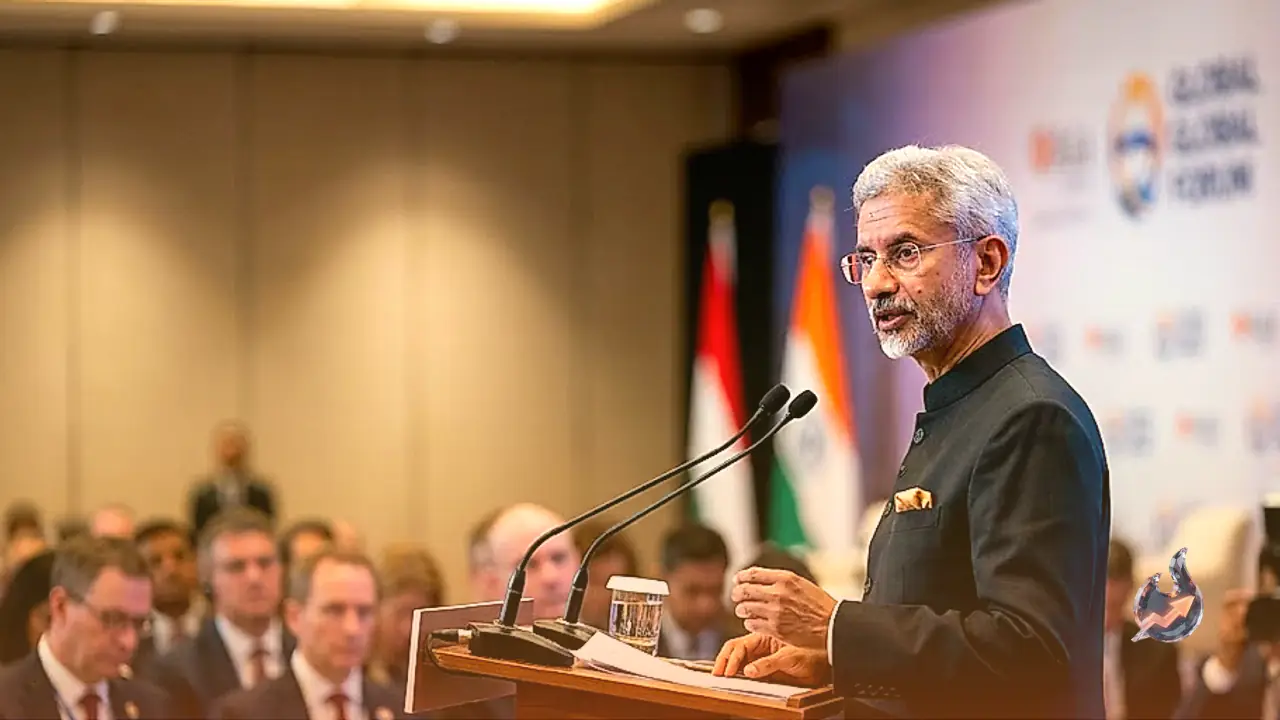

External Affairs Minister S Jaishankar has articulated a firm diplomatic stance regarding the trajectory of India-China ties, stating that genuine normalization of bilateral relations depends entirely on peace and stability along the border regions. Any disturbance or confrontation along the boundary carries unavoidable consequences for broader diplomatic engagement. Highlighting that the lack of a mutually agreed border remains a multi-decade challenge, he noted that bilateral dynamics have nevertheless demonstrated tangible improvement since 2024 following extensive discussions.
A Decades-Old Boundary Dispute and 45 Years of Calm
Reflecting on the historical background of the frontier, Jaishankar pointed out that India and China have never had a finalized or mutually demarcated border. Rather than being an emerging friction, this territorial ambiguity has persisted over several decades. Despite that inherent complexity, the frontier observed an extended period of calm spanning 45 years between 1975 and 2020, during which no fatal military encounters occurred. The last casualties had taken place in 1975, and throughout that sustained era of tranquility, broader engagements between the two neighbors had expanded steadily.
The 2020 Military Clash and the Breakdown of Status Quo
The established equilibrium was severely disrupted in 2020. The External Affairs Minister noted that while nations were navigating the severe pressures of the COVID lockdown, multiple disputes escalated across border sectors. The friction culminated in a violent confrontation where soldiers on both sides lost their lives. This event marked a drastic departure from the peaceful operational conditions that had governed the border since 1975, altering the foundational assumptions of the relationship.
The Long Diplomatic Effort to Restore Equilibrium
The disruption of border tranquility exerted a direct and prolonged impact across all diplomatic fronts. Jaishankar underscored that when peace and stability are broken in border regions, the rest of the relationship inevitably bears the brunt. Those disruptions remained plainly evident across bilateral interactions over the subsequent 5 years. Resolving these standoffs and restoring a measure of operational peace required persistent dialogue between the two sides, taking a full 4 years of intense negotiations to achieve meaningful progress.
Post-2024 Normalization and Practical Prerequisites
Articulating the prerequisites for moving forward, Jaishankar reaffirmed that a quiet frontier remains an absolute necessity if broader bilateral interactions are to make headway. He stated that if normal ties are genuinely sought, common sense dictates that the border must remain stable and free from disruption. As frontier conditions have steadily recovered, progressing to a largely normal footing since 2024, bilateral relations have similarly moved toward normalization. In previous remarks, he had also observed that escalating global competition will necessitate a new worldwide balance underpinned by stability and shared interests.