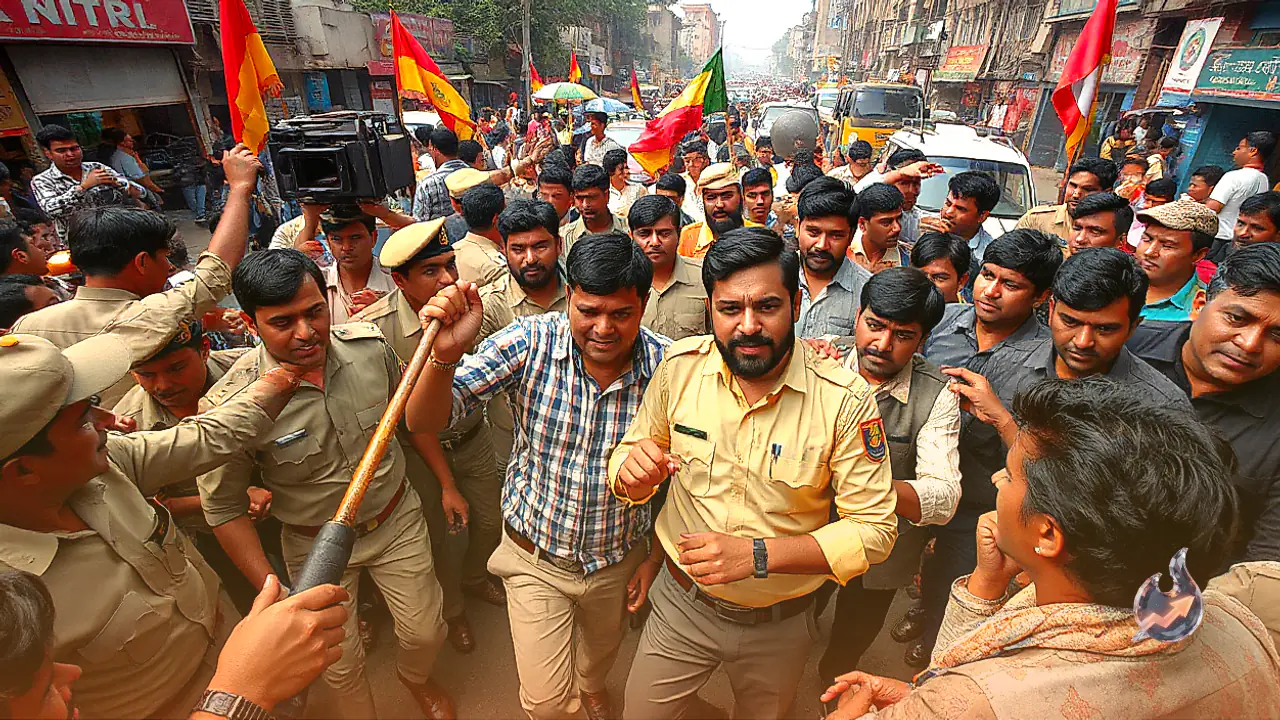

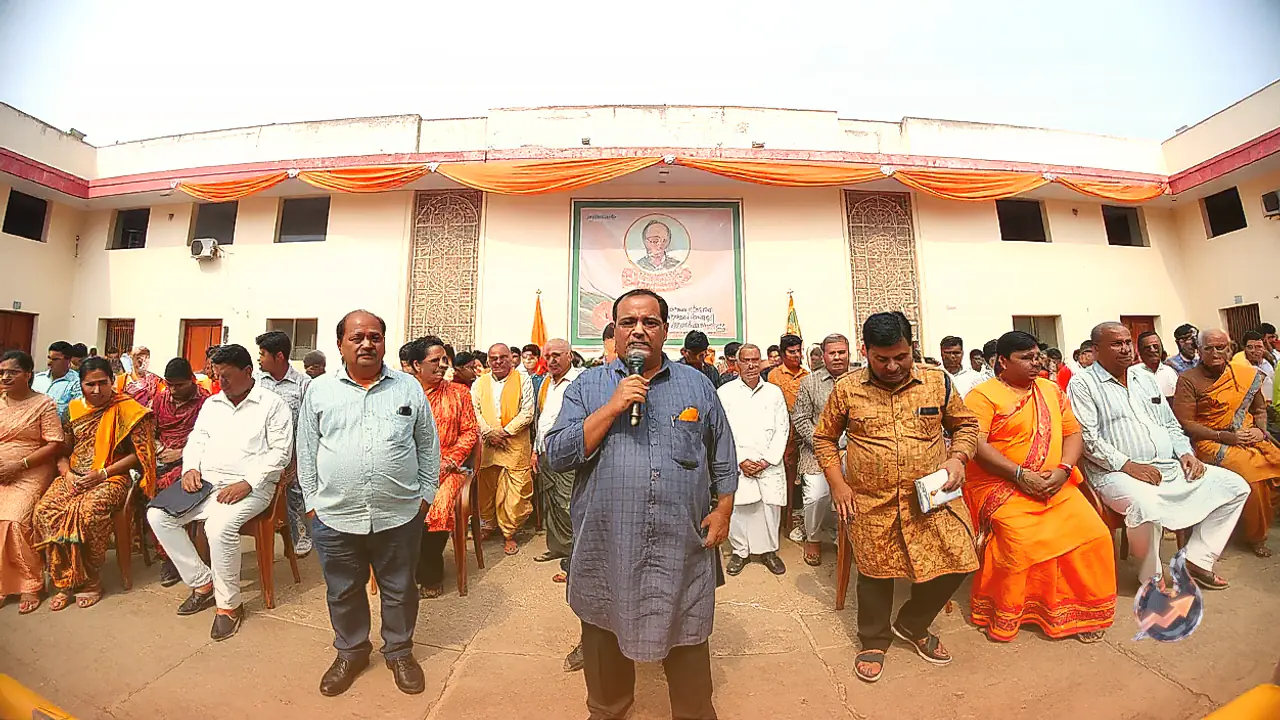

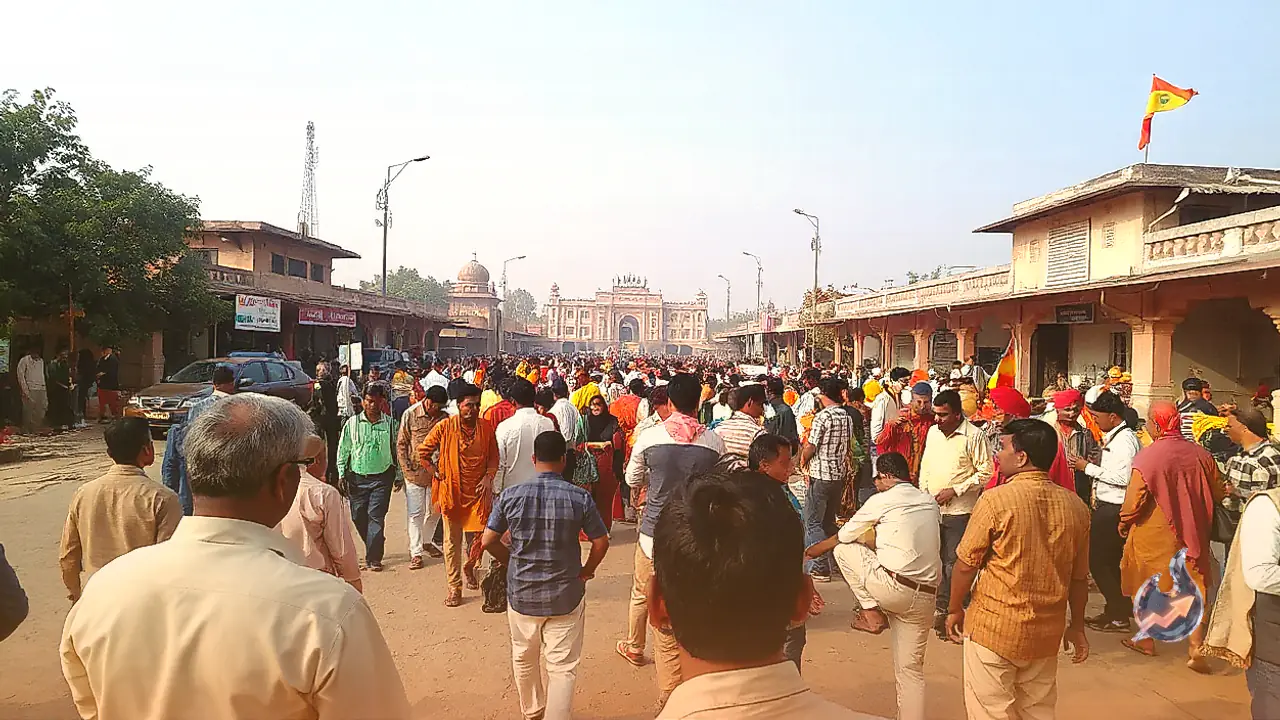














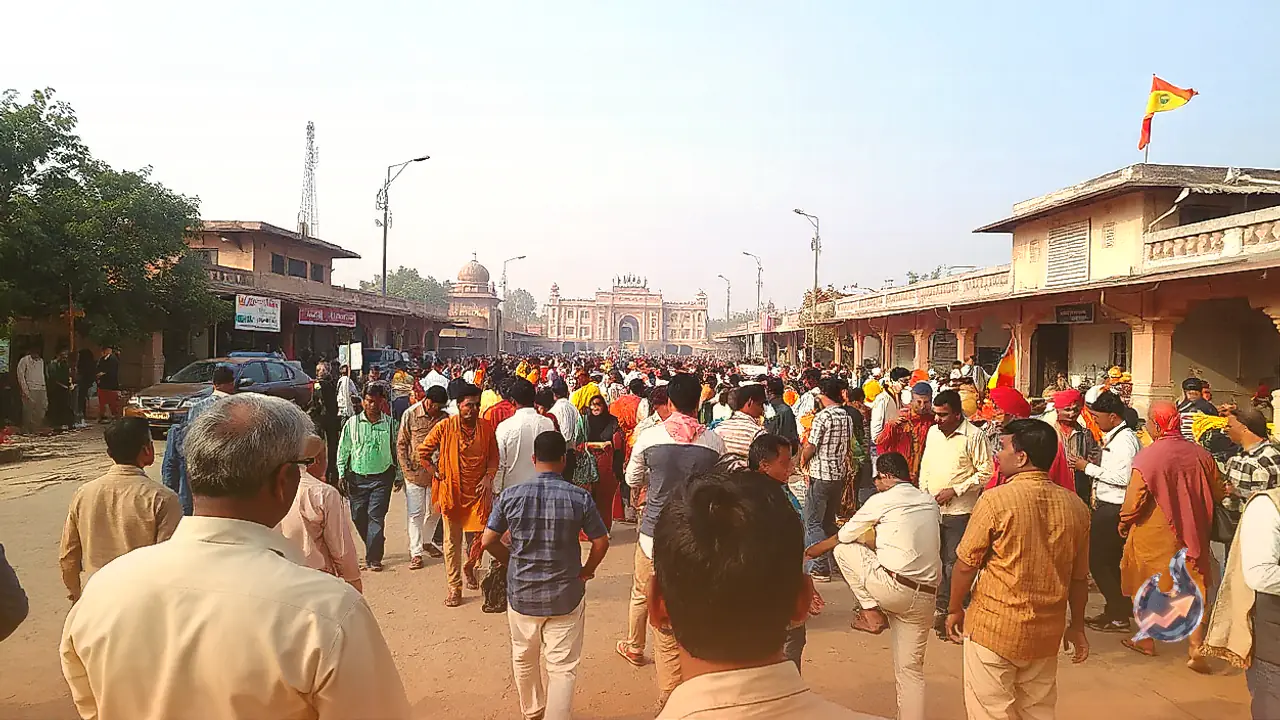

A massive gathering wearing traditional pink headgear filled the thoroughfares of Bihar's capital, turning public attention toward deepening landlessness, academic neglect, and erosion of political representation. Convened under the stewardship of Lok Manch, the silent resolve march saw delegates from various districts assemble to submit that economic hardship has pushed large sections of the community to the brink. Beginning from Miller Ground and concluding at the historic Martyr's Memorial, the procession urged policymakers to recognize structural distress rather than assuming prosperity. The event culminated in a delegation presenting a formal fifteen-point charter to the Governor, seeking immediate institutional relief.
Procession from Miller Ground to the Historic Memorial
Proceedings commenced at Miller Ground with a convention of delegates traveling from rural and urban centers across Bihar. The gathering subsequently transformed into a peaceful, highly disciplined march through prominent city routes, where floral petals were showered over the marchers using earth-moving machinery. Participants deliberately avoided vocal sloganeering, preferring to register their grievances through quiet resolve. Dressed in synchronized pink pag headwear, the assembly conveyed cultural heritage alongside an appeal for urgent administrative attention.
Significance Behind Choosing the Freedom Struggle Memorial
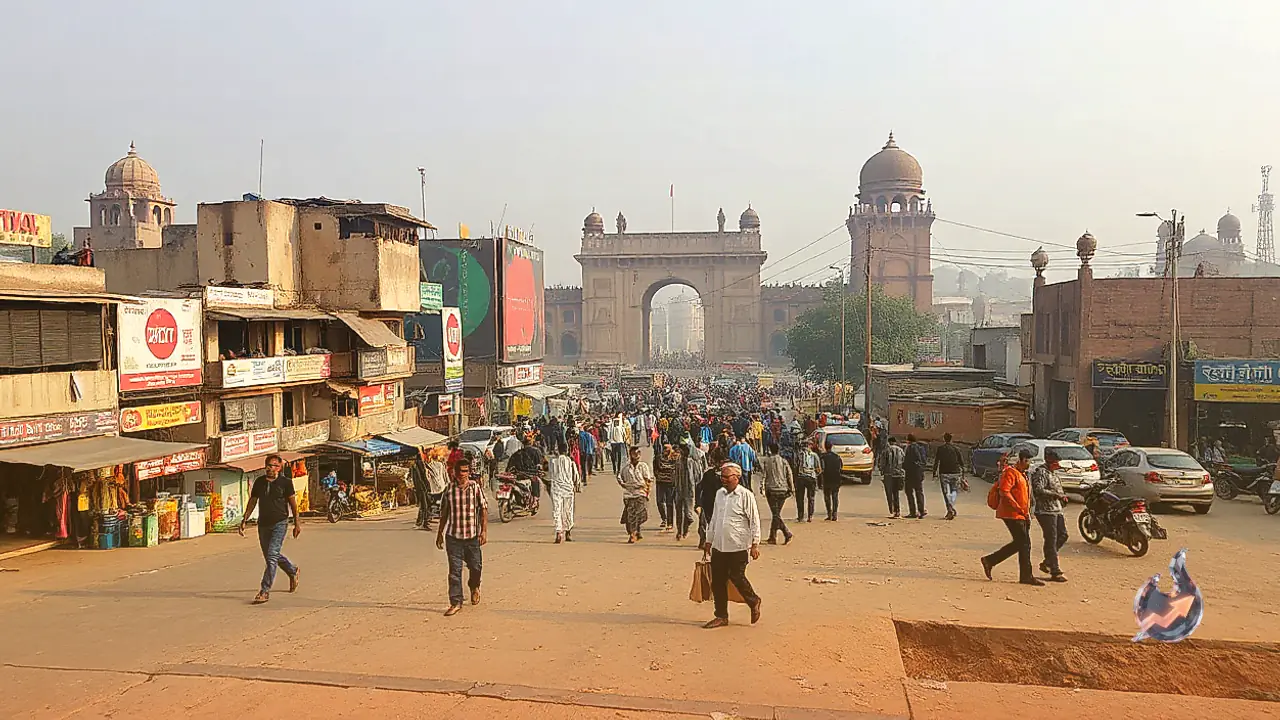
Ending the march at the 1942 Quit India movement memorial was an intentional symbolic choice. Former Mukhiya Pramod Kumar Mishra clarified the motive behind selecting the memorial commemorating seven young freedom fighters. He noted that the national martyrs hailed from disparate societal backgrounds, illustrating that the current mobilization stands for collective fraternity rather than sectarian division. Addressing common perceptions, he remarked that the movement sought democratic articulation of survival challenges without targeting any specific group or confronting the administration.
Charter Demands Welfare Board and EWS Revisions
Outlining the core elements of the submitted memorandum, Rajesh Kumar Jha, the Madhepura district convener of Lok Manch, stated that establishing an autonomous welfare board on the lines of models existing in several other states remains a paramount necessity. The charter seeks equitable distribution in governance according to population strength and practical adjustments in the economically weaker section framework. Organizers also drew attention toward groups like Goswami and Giri, arguing that existing affirmative action parameters have left them outside necessary safety nets, requiring calibrated state support.
Reviving Sanskrit Institutions and the Saharsa Heritage
Educational stagnation formed another crucial pillar of the submission presented to the state leadership. The convener stressed that government patronage must be revived for struggling Sanskrit schools that once served as foundational seats of classical learning. Simultaneously, the memorandum placed special emphasis on the restoration of the Bharati-Mandan University in Saharsa. Representatives argued that a region linked to legendary philosophical debates between Mandan Mishra and Bharati cannot be abandoned to bureaucratic disinterest, calling for modern academic infrastructure to uphold classical traditions.
Vanishing Landholdings and Deepening Rural Hardship
Local community elders provided firsthand accounts of shrinking agricultural holdings and diminished influence in governance. Former Sarpanch Dharmanarayan Thakur highlighted how inadequate legislative advocacy has intensified socio-economic vulnerability. Adding to this assessment, attendee Subodh Kumar Choudhary captured the generational plunge in property ownership, remarking,
"Earlier we held 80 acres, now we fight over 80 decimals."He noted that households historically identified with extensive farmland now struggle over tiny parcels, underscoring an urgent need for grounded reality checks.
Severe Land Deprivation and Call for National Observance
Speakers presented stark appraisals regarding the economic standing of contemporary households across the state. Devendra Jha, also known as Sultana Ji, asserted that over sixty percent of the populace has drifted into complete landlessness, underscoring that their appeal was an earnest plea for equitable welfare rather than an aggressive confrontation. Meanwhile, Dhruv Kumar Jha pointed out that preparatory grassroots mobilization had been underway for six months under the leadership of Lok Manch founder Ashish Kumar Jha Babbu. The delegation further called upon central and state administrations to declare a nationwide gazetted holiday commemorating Parshuram Jayanti, asserting that cultural recognition must accompany socio-economic remediation.