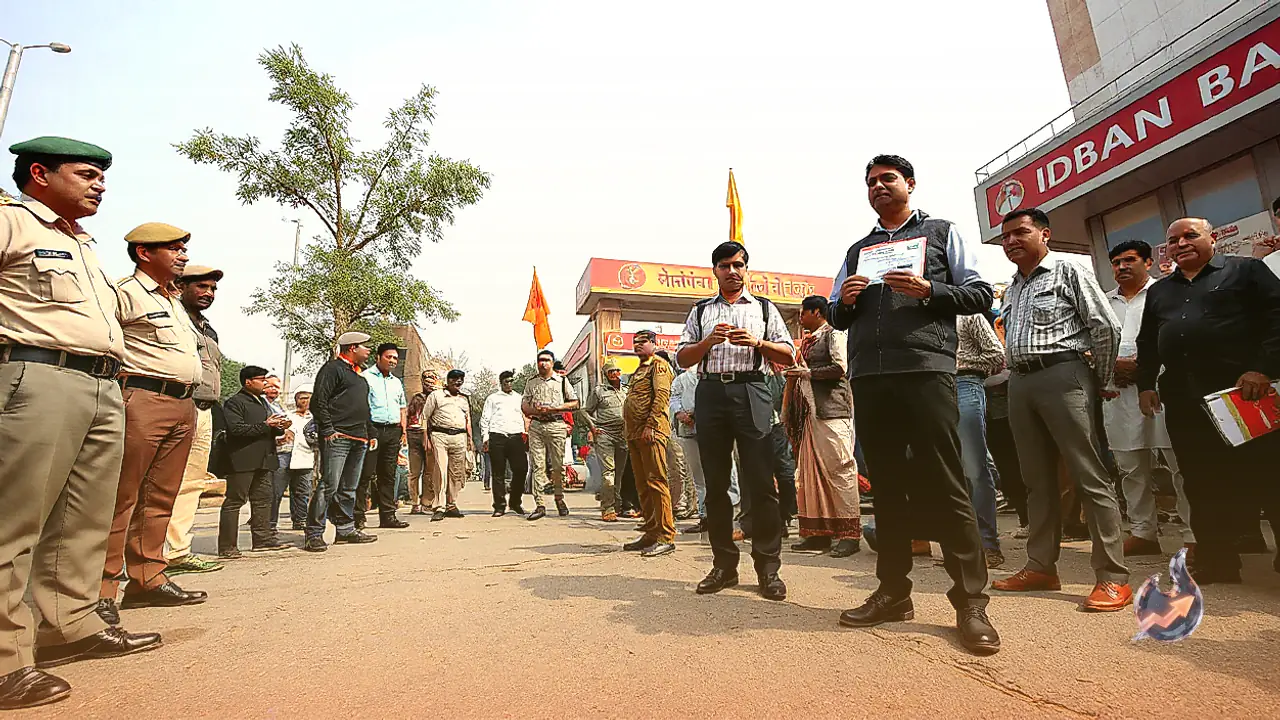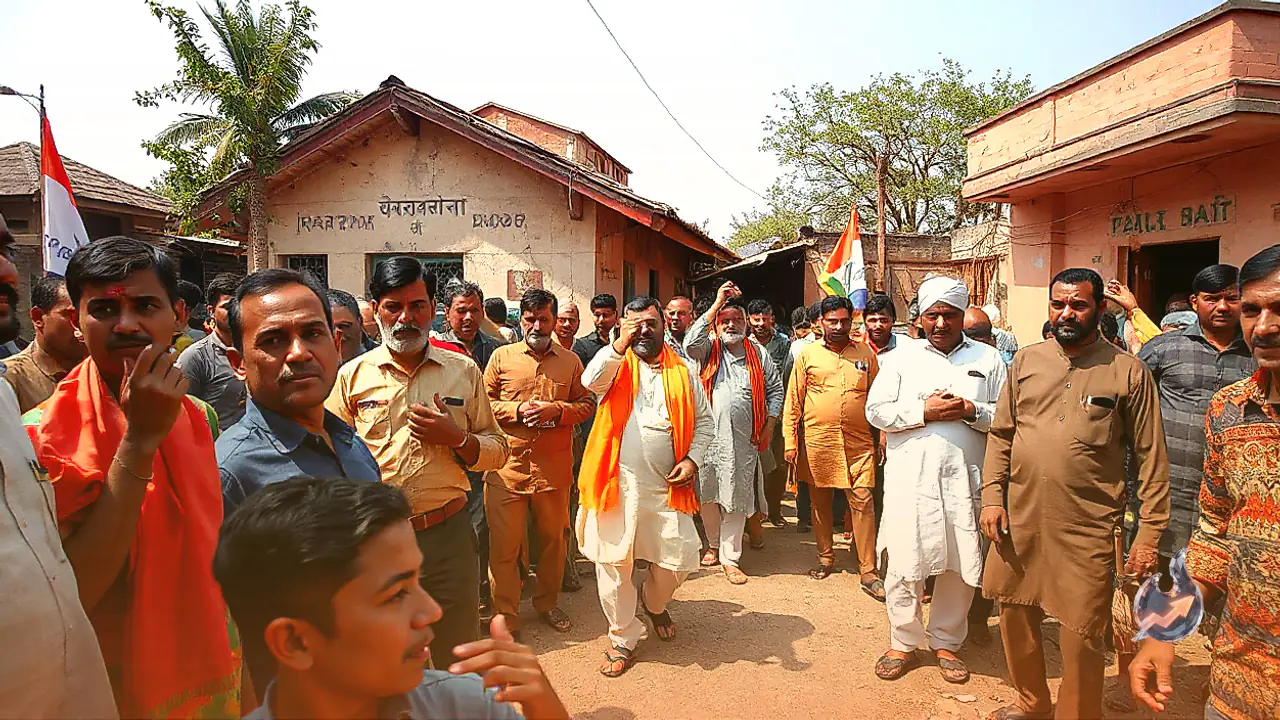

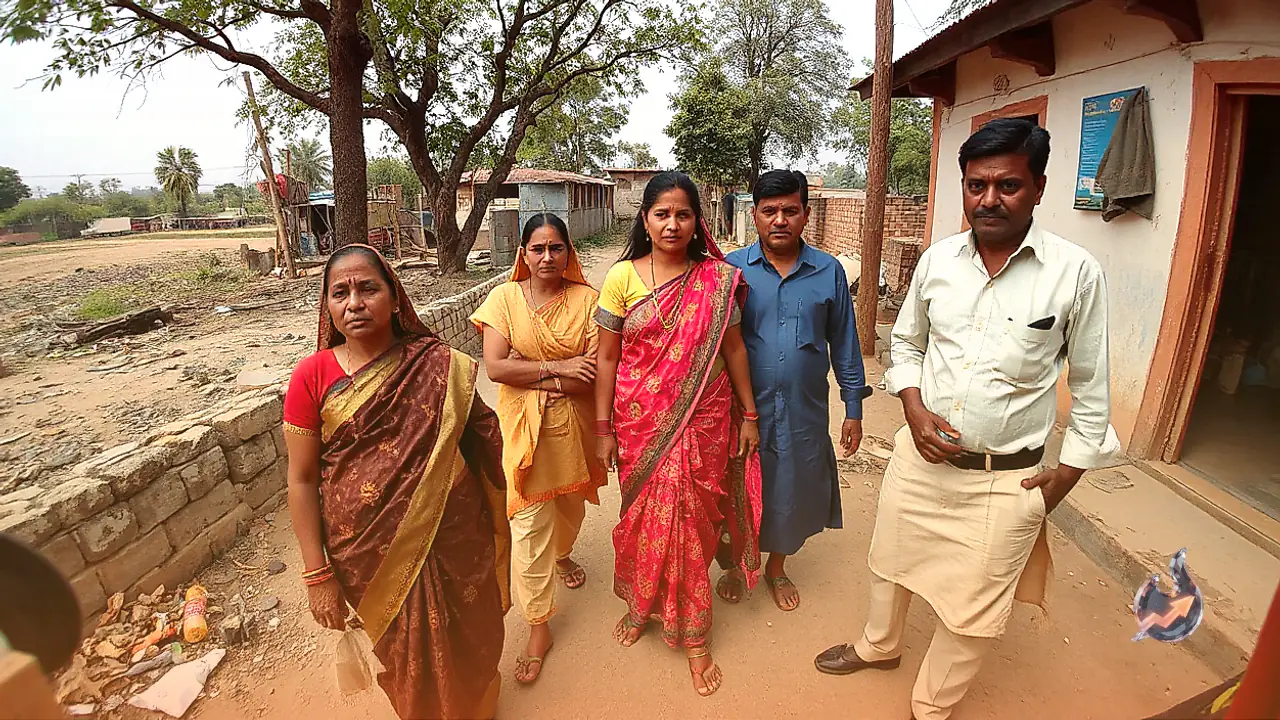
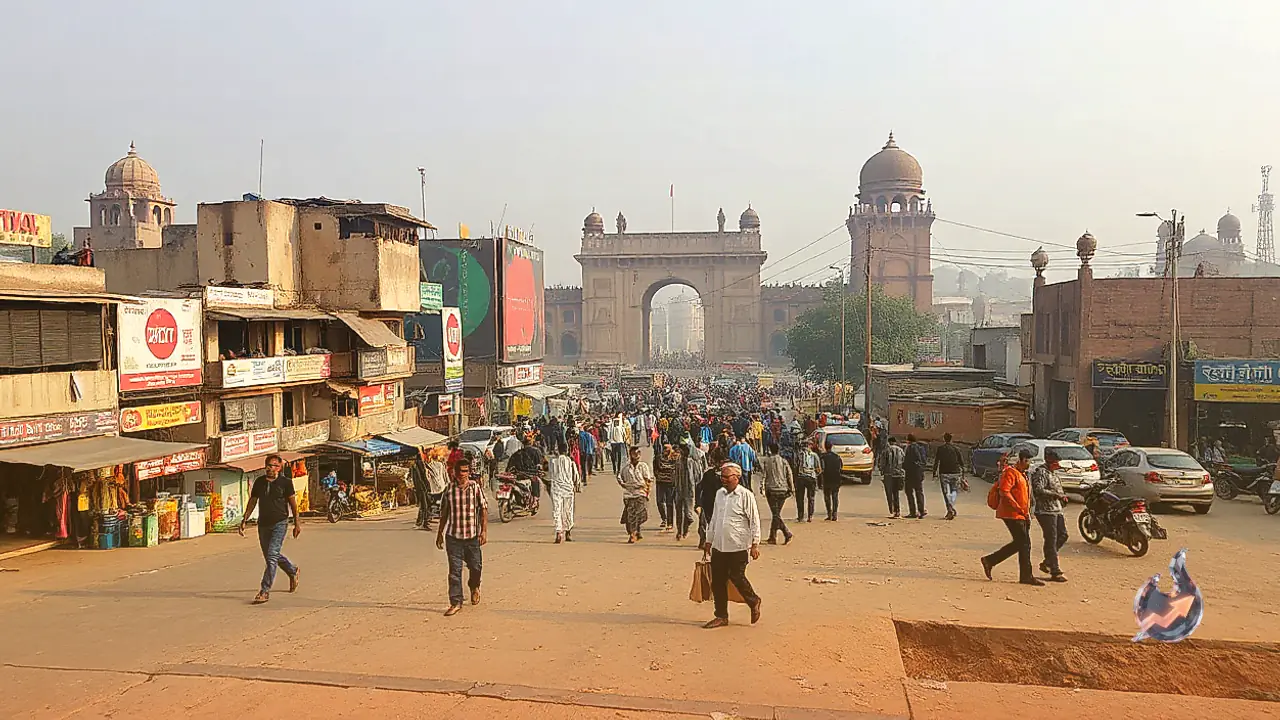















A large-scale political gathering organized by the INDIA bloc at the historic Ramlila Maidan in the national capital dealt a severe financial blow to wholesale and retail business operations across Delhi. According to assessments shared by the Chamber of Trade and Industry (CTI), the event caused an estimated commercial loss of Rs 11000 crore to the city's trade ecosystem. Brijesh Goyal, chairman of CTI, pointed out that extensive publicity before the rally projected a turnout of nearly 10 lakh attendees accompanied by 15,000 to 20,000 transport vehicles. This advance buildup created widespread apprehension, severe uncertainty, and stringent traffic diversions across the capital for several days, directly undermining routine commercial footfall.
Widespread Market Closures and Slump in Inter-State Buyers
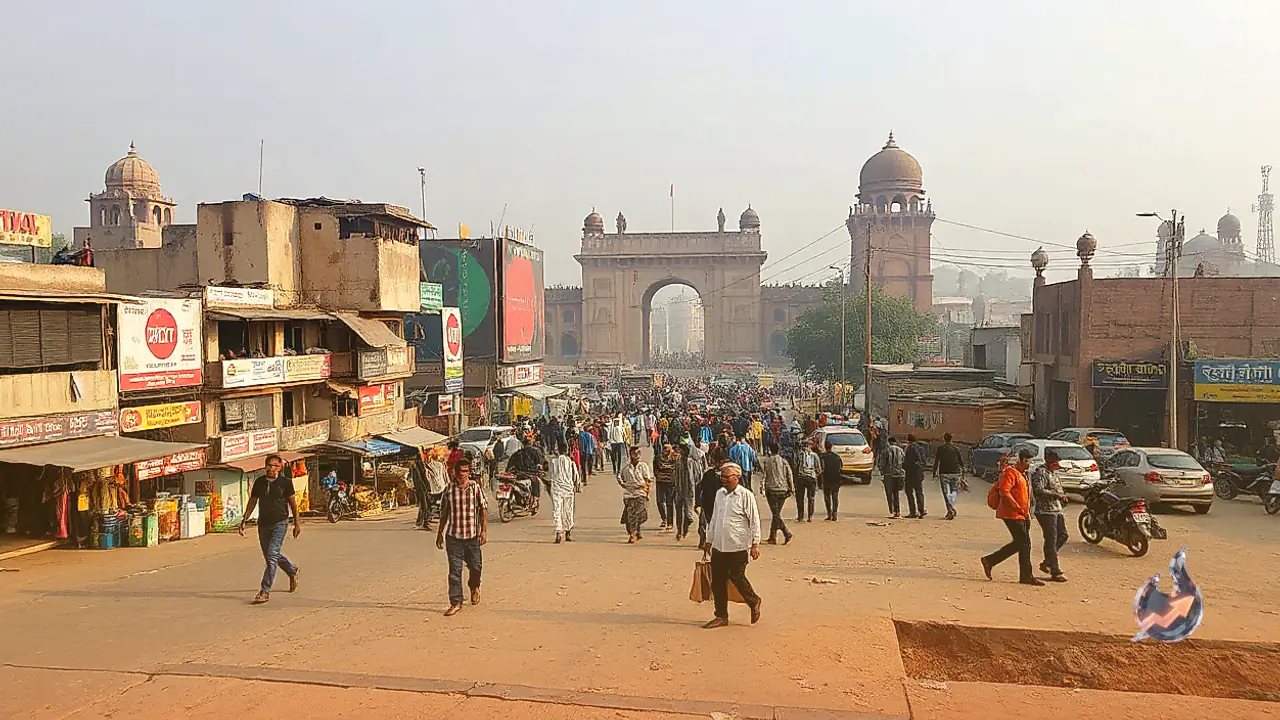
Under ordinary trading conditions, wholesale hubs in Delhi attract between 3 lakh and 4 lakh visitors every day from neighbouring states and outlying regions to source merchandise. Goyal noted that on the day of the gathering, arrival figures for external shoppers dropped drastically. Within the 22 to 25 major commercial hubs surrounding Ramlila Maidan, there are approximately 3 lakh commercial outlets. Operational feedback gathered from various market associations indicated that nearly 2.5 lakh shops, representing almost 80 percent of all establishments in the zone, stayed shut through the evening. The limited shops that remained open recorded virtually zero transaction volume as customers stayed away.
Postponement Appeals Preceded the Political Gathering
The traders' body maintained that its objections carried no partisan undertones. Goyal revealed that CTI had written four formal letters to Congress leader Rahul Gandhi prior to the rally, urging organizers to defer the gathering to an alternate date. Around 100 prominent market associations had joined in raising this request. Clarifying their stance, Goyal stated, “We are traders, not agents of any political party. Our business is trade, not politics. We were only appealing to save our livelihood during the Diwali season.”
Addressing the gathering, Rahul Gandhi had encouraged attendees to support local businesses by shopping across Delhi markets, a gesture acknowledged by CTI leadership. Nevertheless, ground conditions made such support unfeasible. With the overwhelming majority of shops shuttered over logistical constraints and traffic curbs, rally participants had very little real opportunity to make purchases.
Severe Freight Disruptions Hit Industrial Supply Corridors
The ripple effects of the assembly extended beyond storefront sales into citywide freight transport and supply chain movement. Transport networks operating within a 10-kilometre radius of Ramlila Maidan faced paralysis, halting routine loading and unloading operations across central distribution nodes.
On standard working days, roughly 5,000 trucks and tempo vehicles transport goods from Delhi's 56 recognized industrial areas, including Narela, Bawana, Okhla, Mayapuri, Mundka, and Udyog Nagar, to inner-city wholesale markets. Road blockages and movement restrictions stranded seasonal merchandise manufactured specifically for Dhanteras and Diwali inside factory stockrooms and warehouses. Business owners noted that the days leading up to Dhanteras and Diwali represent the most critical commercial window on the calendar, meaning supply disruptions during this period jeopardize annual revenue targets.