



















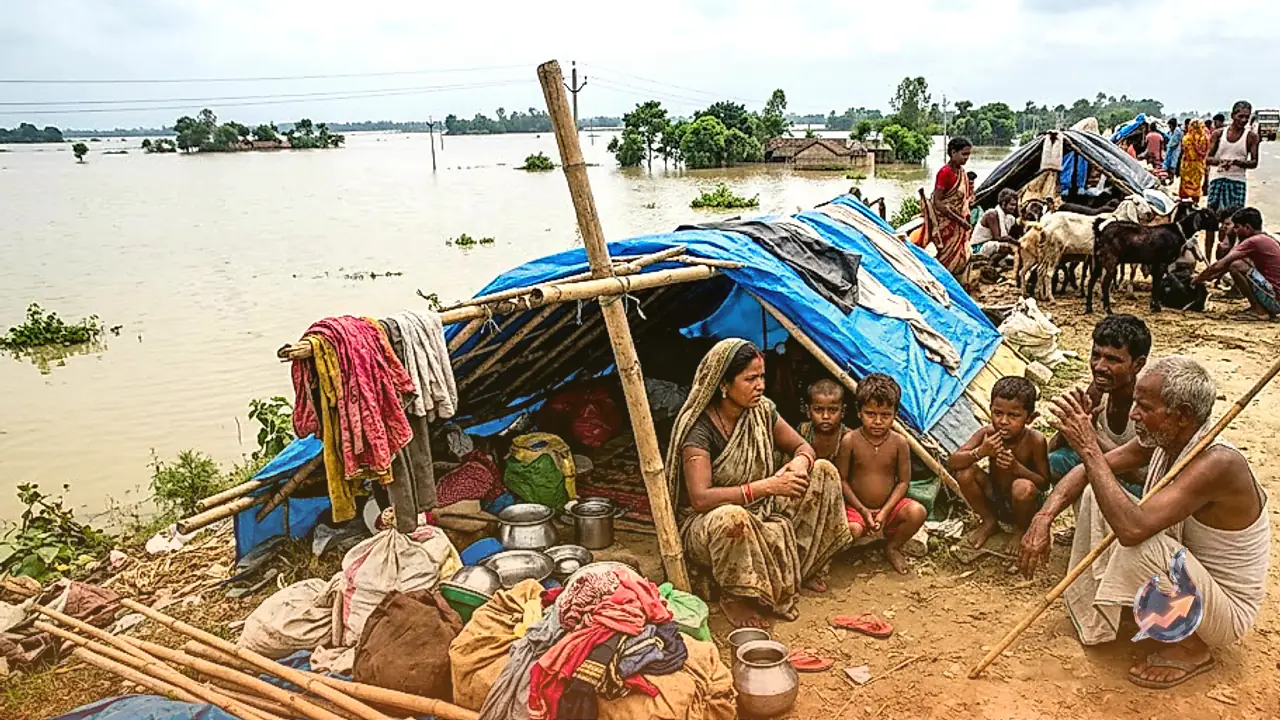

The severe flooding that struck multiple localities in Bihar's Chhapra district continues to upend normal life, as water refuses to recede from residential lanes and dwellings. Unable to step back into their submerged properties, elderly residents, women, and young children have established makeshift shelters along highways and canal embankments. These elevated strips, bordered by inundated woodland and standing water, have exposed evacuees to an influx of venomous snakes and scorpions, forcing families to spend precarious nights under plastic sheeting in near-total darkness.
Maker and Amnour Blocks Bear the Heaviest Inundation
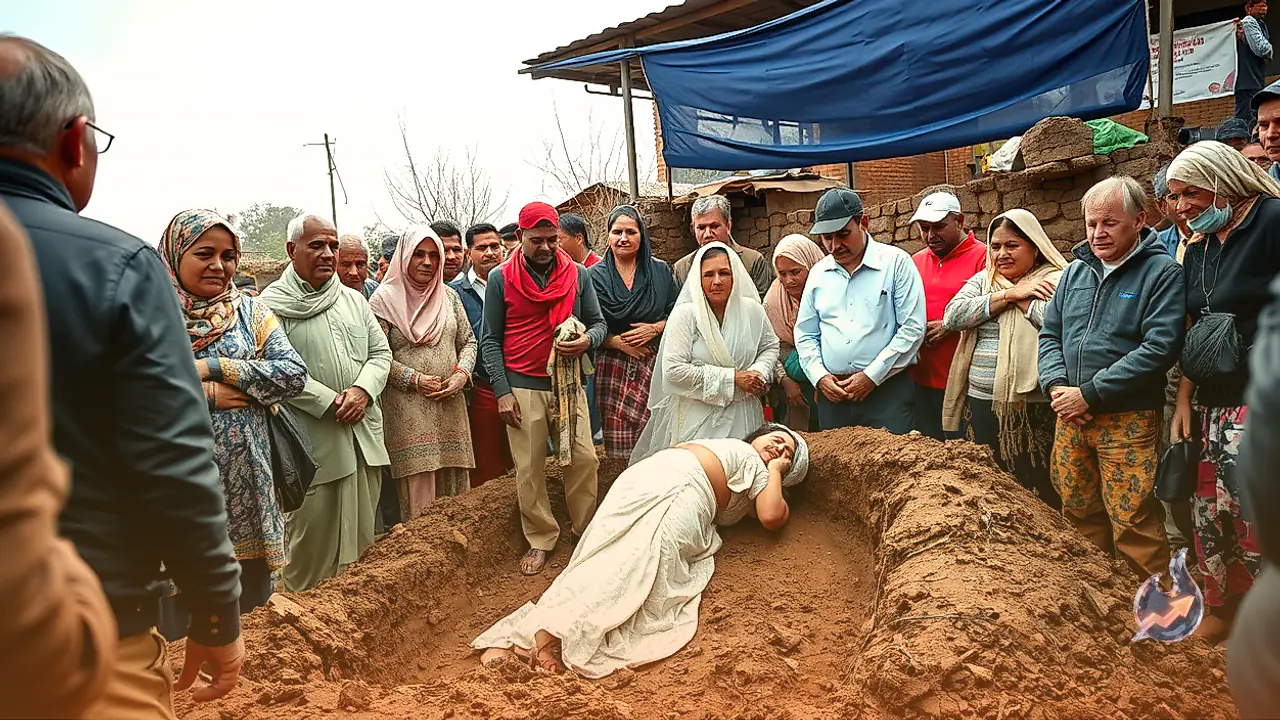
The floodwaters struck with peak intensity across the blocks of Maker and Amnour. The surge moved so abruptly overnight that water rapidly reached the upper windows of residential structures. The sudden deluge claimed multiple lives across the region as residents scrambled to reach terraces and elevated grounds in pitch darkness, with several individuals collapsing from panic and distress during the scramble to survive.
Weather Extremes and Wildlife Threats Along Embankments
With interior village roads submerged, hundreds of families remain clustered on the edges of national highways and canal bunds. Young children have tied cloths around road barricades to fashion crude canopies against the elements. The displaced population faces extreme weather swings, enduring intense sun one moment and sudden downpours the next. Because the floodline has driven dangerous wildlife out of surrounding vegetation, venomous reptiles continuously crawl toward the drier embankment ridges where temporary camps stand.
Describing the ordeal from an embankment where he has lived for four straight days, local resident Ramvichar Singh explained the hardships faced by elderly family members and children. Highlighting their predicament, he noted, "I have been living in a tent on the canal embankment for the past four days." He explained that despite flood levels beginning to drop, excessive water remaining inside their residential quarters leaves them with no practical choice other than staying outdoors on the bund.
Administrative Response and Relief Efforts
District administrative leadership mobilized quickly in response to the inundation. The District Magistrate and the Superintendent of Police deployed teams and directly supervised operations on the ground from the outset. Emergency rescue squads were dispatched to pull stranded families from waterlogged areas and coordinate the supply of essentials. State-run community kitchens have been set up to distribute meals and drinking water to displaced citizens gathered on road shoulders and bunds. While local conditions are gradually stabilizing and water levels are receding, full rehabilitation depends entirely on the complete drainage of water from inundated homes.