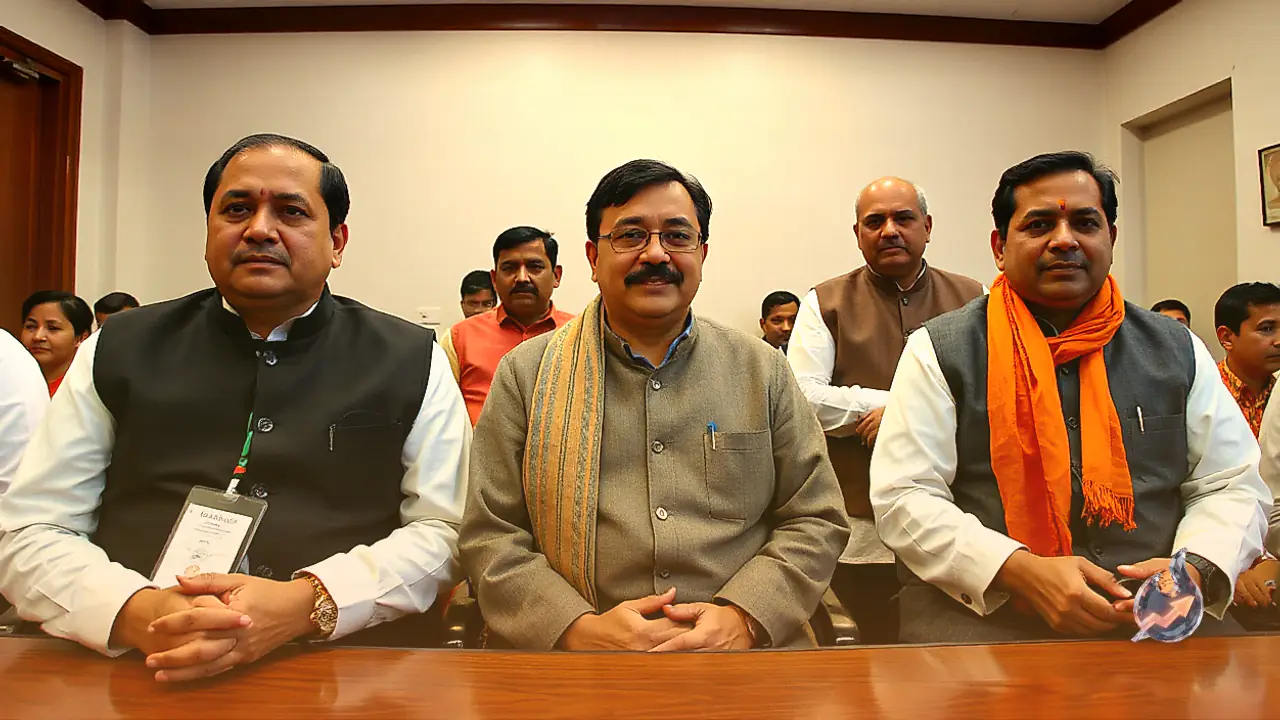


















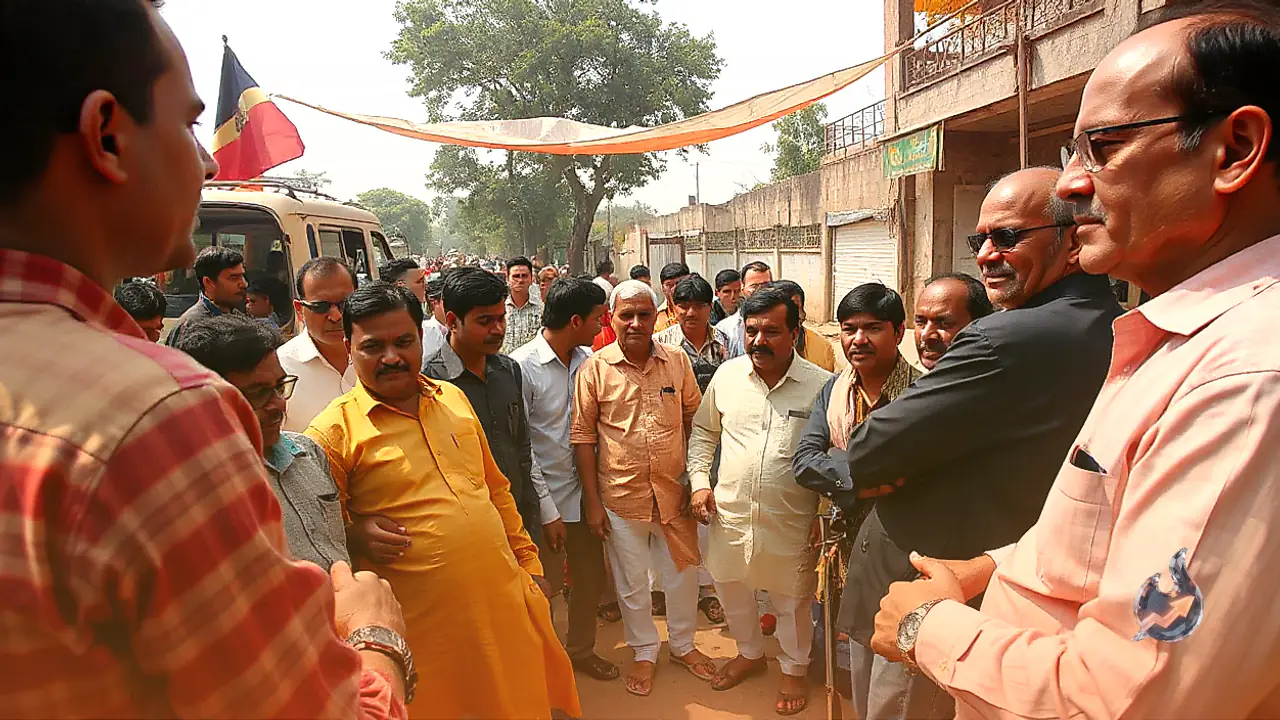

A spirited public debate has broken out across Bihar over the state government's 125 units free electricity scheme. Chief Minister Samrat Choudhary has formally appealed to affluent households and income tax payers to voluntarily surrender their power subsidy. According to the Chief Minister, financially stable citizens should voluntarily step aside from claiming this benefit so the state can repurpose those savings toward broader regional development and improving the public education system. Following this call, citizens across Begusarai and other parts of the state have expressed sharply contrasting viewpoints.
Support for Voluntary Surrender by Affluent Groups
A significant segment of the population considers the Chief Minister's appeal a pragmatic move toward fiscal prudence and equitable welfare delivery. Graduate student Amit Kumar shared that individuals who are financially secure ought to take the lead in giving up power subsidies. In his view, the real benefits of social welfare initiatives must reach impoverished and vulnerable households at the bottom of the economic ladder. He also suggested that the administration should formulate clear regulations to demarcate affluent consumers from needy ones, ensuring optimal use of public funds.
Student leader Vishwajeet Kumar echoed full backing for the appeal, asserting that salaried government staff and individuals falling within the income tax bracket should abstain from taking the 125 units power subsidy. He noted that the core objective of providing relief to economically distressed families can only be achieved if comfortable households voluntarily withdraw their claims.
Similarly, local resident Mohammad Alam voiced support for the idea, maintaining that public servants and regular taxpayers should gracefully relinquish the free electricity subsidy to prevent unnecessary strain on public finances.
Link to State Progress and Parallels With LPG Drive
Former government official Priya Ranjan Kumar highlighted that the Chief Minister's message is directly tied to the future growth and development of Bihar. He explained that individuals holding secure government positions, professionals drawing competitive salaries in the private sector, and verified taxpayers possess sufficient financial stability. Such individuals, he argued, should willingly step forward to surrender unnecessary subsidies.
Drawing a direct comparison with the earlier nationwide initiative that encouraged citizens to voluntarily surrender LPG subsidies, Priya Ranjan Kumar noted that voluntary action can yield tangible benefits. He emphasized that if capable families relinquish free electricity benefits, the state government can channel the conserved capital directly into infrastructure expansion and the modernization of educational institutions across Bihar.
Concerns Over Policy Rollout and Shifting Promises
On the other hand, the appeal has triggered sharp skepticism regarding administrative planning and governmental consistency. Citizen Mukesh Kumar Sinha raised concerns over the administration's policy execution, questioning why criteria for distinguishing between capable and needy beneficiaries were not established before rolling out the scheme. He argued that announcing a blanket benefit and subsequently urging citizens to surrender it creates an inconsistent impression among the public.
Local businessman Rakesh Kumar Sinha similarly questioned the government's stance, asking why every operational and fiscal dimension was not thoroughly evaluated prior to promising 125 units of free power. He voiced frustration over whether the administration is attempting to retreat from its initial announcement.
Furthermore, Rakesh Kumar Sinha underscored that if the government intends to segregate capable families from underprivileged ones, it must officially lay down unambiguous parameters. Defining clearly who qualifies as financially capable and who does not is critical to preventing administrative confusion and public resentment.
A Divided Public Sentiment
The dialogue surrounding the 125 units free electricity subsidy in Bihar remains distinctly polarized. While one side believes that higher-income earners, civil servants, and taxpayers should set an example by giving up state subsidies to uplift disadvantaged communities, the opposing side insists that policy parameters and eligibility checks should have been codified right at the time the scheme was launched.