























A sudden crack appearing across a floor tile detracts from the room's appearance and can easily worsen over time until broken pieces detach completely. Such fractures typically stem from heavy objects being dropped, flaws in the subfloor, persistent moisture exposure, improper installation methods, or thermal expansion driven by temperature shifts. Fortunately, not every hairline fracture demands tearing out the entire tile, as many instances of minor damage can be repaired directly at home.
Using Dedicated Ceramic Repair Kits for Fine Cracks
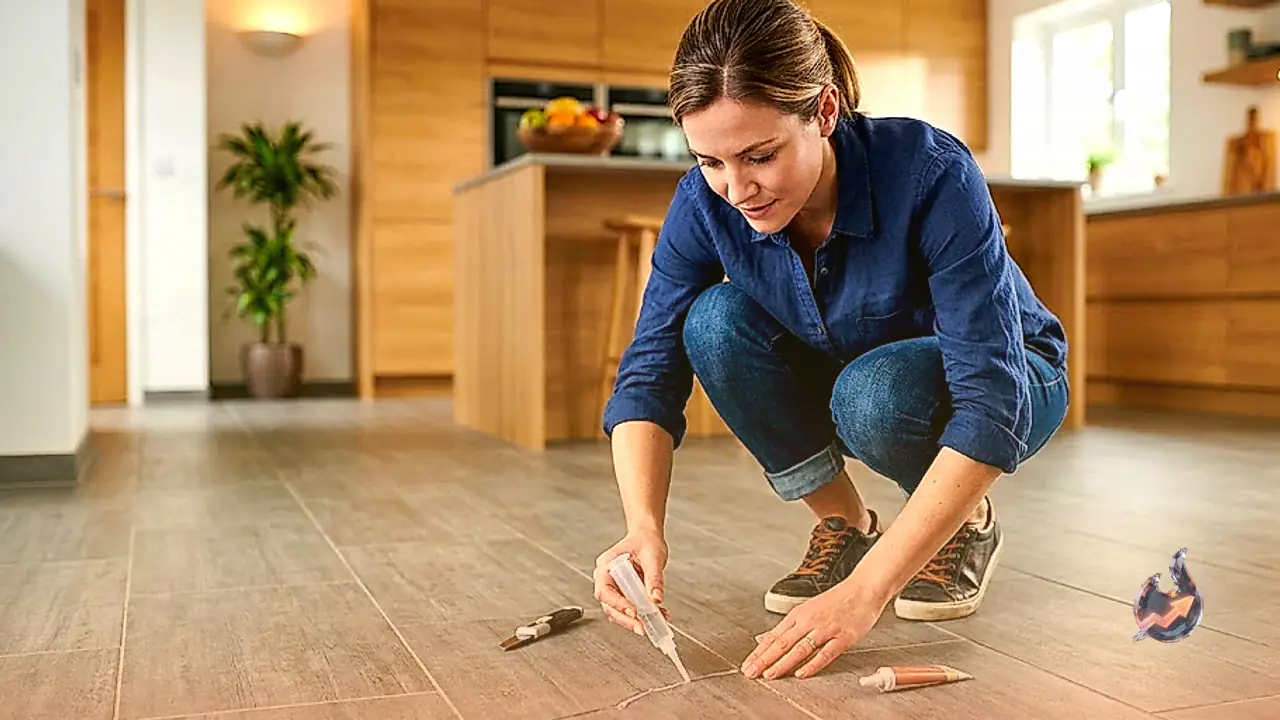
When dealing with very fine hairline fractures, commercially available ceramic and tile repair kits offer a dependable fix. The repair begins with thoroughly cleaning the damaged area to eliminate all accumulated dirt, dust, and grime, followed by allowing the spot to dry completely. Once dry, the filler or epoxy compound should be applied strictly according to the kit's packaged instructions. After the compound cures, any excess material must be carefully cleared away to restore a smooth finish.
Applying Two-Part Epoxy Resin on Surface Damage
For shallow fissures situated across the top surface, two-part epoxy resin provides an exceptionally strong bond. The mixed resin needs to be worked deeply into the crack to level it evenly with the surrounding floor. After it cures and hardens fully, the residual resin resting above the surface can be gently buffed or cleaned away. Before proceeding with this method, reviewing product guidance and confirming compatibility with the specific floor tile material is vital.
Filling Joint and Edge Fractures With Fresh Grout
Whenever cracks run adjacent to tile edges or along existing grout joints, packing the gap with a suitable tile filler or fresh grout is the ideal approach. The old, crumbly grout along with any loose debris must be completely cleared out prior to introducing the new material. This technique proves especially effective at sealing off perimeter flaws and repairing minor wear near structural joints.
Replacing Tiles When Structural Damage is Severe
Whenever a fracture penetrates deeply, tile fragments become loose, or a hollow sound echoes when pressure is applied, superficial patching cannot offer a lasting resolution. In these circumstances, carefully removing the ruined piece and installing a replacement tile represents the only dependable course of action. When setting down a replacement, establishing a firm, level, and sturdy underlying base is essential.
Investigating Underlying Causes Before Repairing
Merely patching visible surface flaws does not guarantee that further breakage will not occur. If persistent issues such as trapped dampness, plumbing leaks, uneven subflooring, or unanchored neighboring pieces remain unaddressed, even a newly installed piece can fracture again. Therefore, conducting an inspection of the adjacent floor pieces and joint mortar before undertaking any repairs remains crucial.