
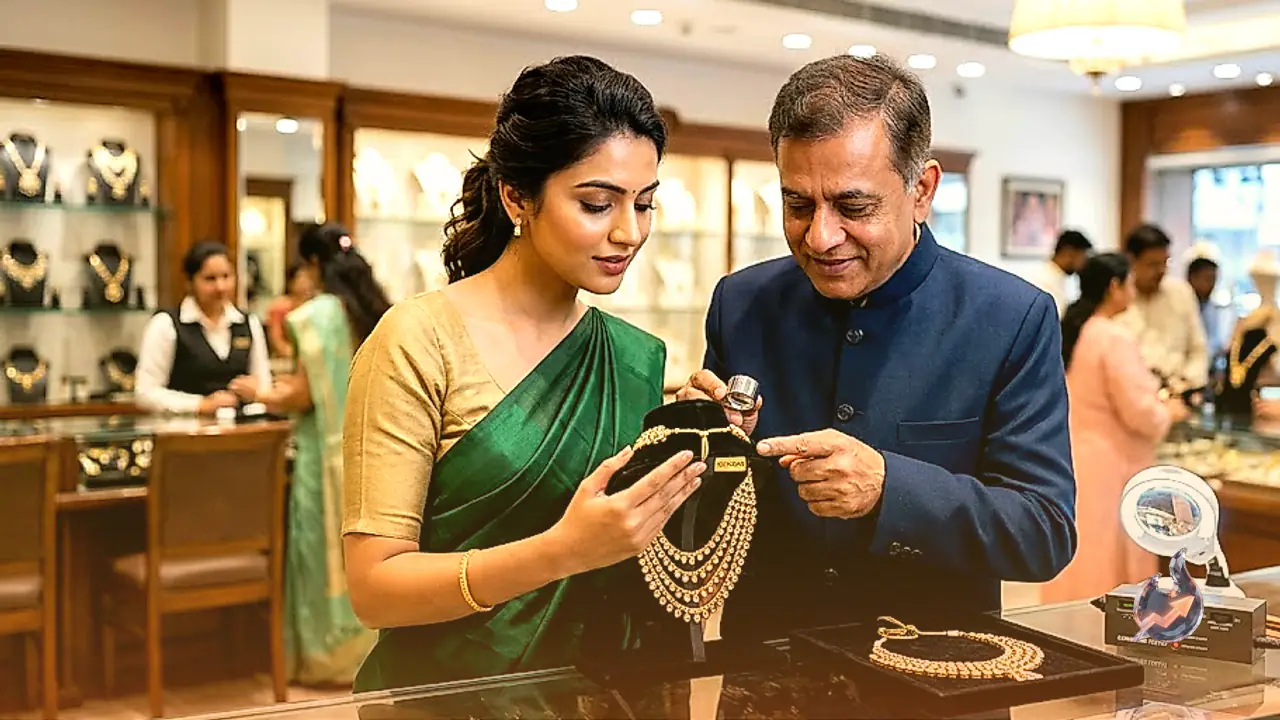






















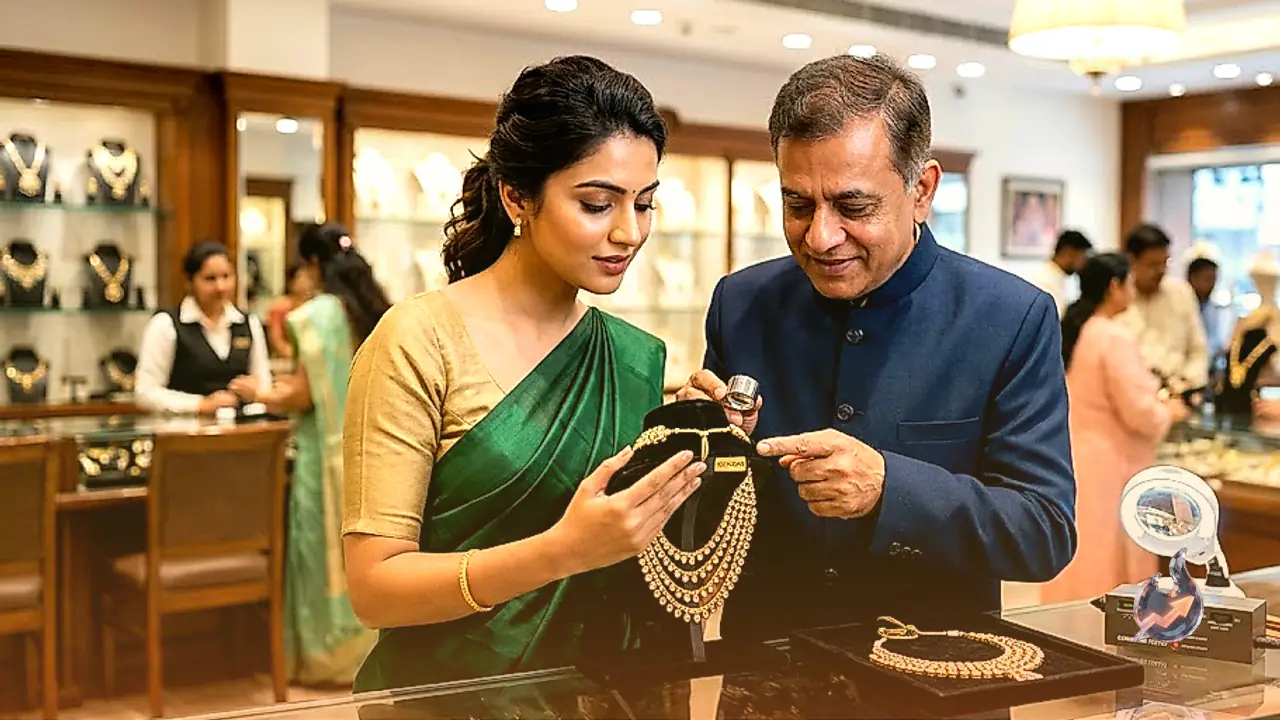

Across traditional Indian wedding ceremonies, gold jewellery shares its royal pedestal with the timeless allure of Kundan ornaments. When crafting an opulent and heritage bridal look, a classic Kundan necklace set remains the premier choice for families. Its singular charm rests on meticulous detailing, splendid surface textures, and an array of vibrant precious stones embedded into the metal framework. This revered decorative practice traces its origins to the Mughal era, a period when master craftsmen began encasing pure gems inside refined gold foils to fashion regal adornments for royalty. Centuries later, that exact royal aura continues to hold an unmatched place in modern celebratory fashion.
The Rising Spread of Low Quality Replicas
Given the immense consumer appetite for heritage bridal wear, contemporary markets have seen an influx of counterfeit and sub-standard Kundan pieces. Many shoppers struggle to tell the difference between artisan work and machine-pressed fashion jewellery that merely mimics the appearance. If you are preparing your bridal trousseau and planning to invest in an exquisite Kundan necklace, mastering the fundamental checkpoints of genuine craftsmanship will protect you from deceptive purchases.
Insisting on Official Hallmarks and Laboratory Certification
Your primary verification when purchasing high-value Kundan ornaments must be confirming the official hallmark and asking for an authentication certificate. Dependable jewellers routinely supply validated documentation that certifies the purity of the underlying precious metal and records the grade of every embedded gem. Walking away from uncertified pieces ensures you receive an asset backed by verifiable quality benchmarks rather than unsupported verbal assurances.
Inspecting the Quality and Setting of Precious Stones
A genuine piece of Kundan jewellery incorporates premium-grade gemstones that reflect uncompromising standards. When examining an ornament closely under good lighting, check each stone for structural flaws, surface abrasions, chips, or internal cracks. Many master-crafted collections feature precious additions like emeralds, sapphires, and diamonds, which significantly elevate the grandeur of the piece. Any noticeable imperfection or dullness in the stones should be treated as an immediate warning sign.
Evaluating Craftsmanship Precision and the Reverse Side
Kundan's legendary reputation is built upon exquisite manual dexterity. In an authentic creation, every stone sits flush and firm within its designated cavity, leaving no uneven gaps or loose edges visible between adjacent gems. More importantly, do not limit your visual inspection to the front profile alone. Flip the jewellery over to examine the reverse side, which traditionally carries delicate enamel or polished metal finishing. If the backside reveals unfinished rough patches, sloppy joints, or lackluster detailing, the set falls short of genuine artisan standards.
Gauging Density, Heft, and Misleading Budget Deals
High-grade Kundan jewellery is noticeably heavier in the hand than cheap imitations. This noticeable heft stems from the traditional construction method, where craftsmen pack multiple layers of refined gold or silver foil beneath each stone bed to securely anchor the gems. If a set looks substantial yet feels suspiciously light and airy when lifted, it almost certainly relies on base metals and synthetic glass. Conduct thorough research before paying and restrict your shopping to well-established brands or trusted jewellers. Avoid falling for unusually low prices or aggressive promotional discounts, because an unrealistically cheap tag almost invariably signals compromised materials and fake craftsmanship.