

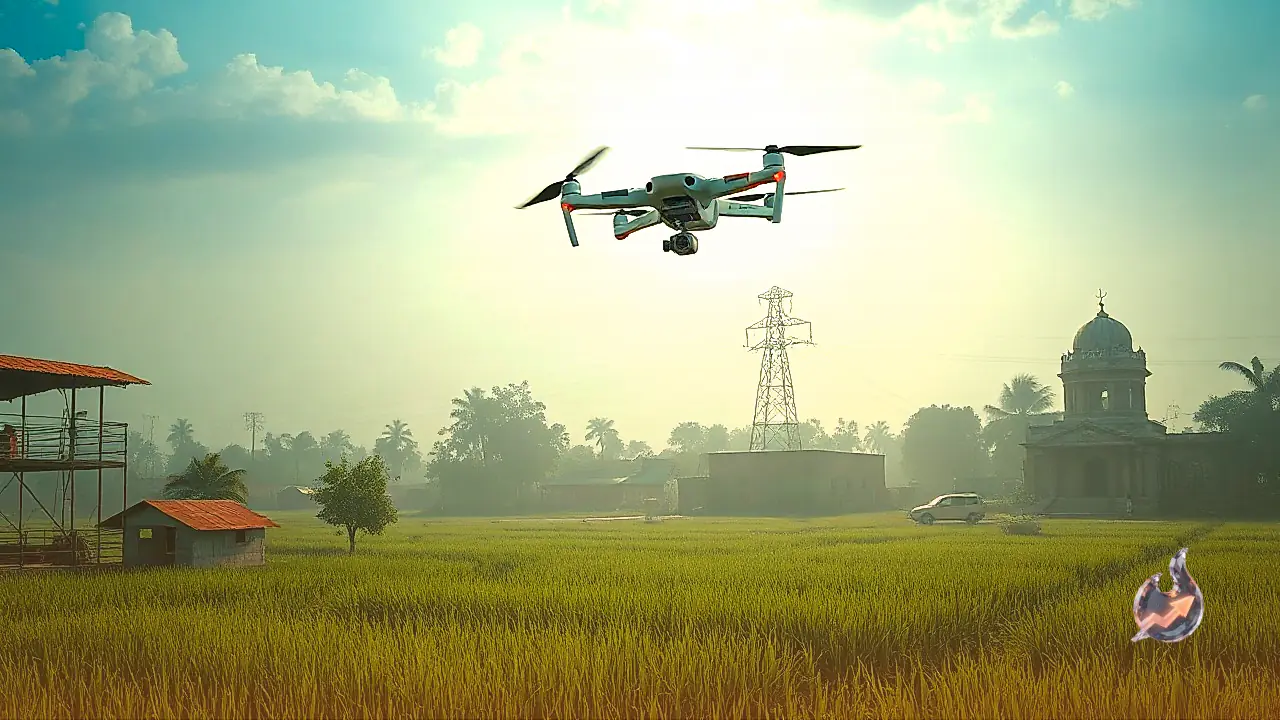




















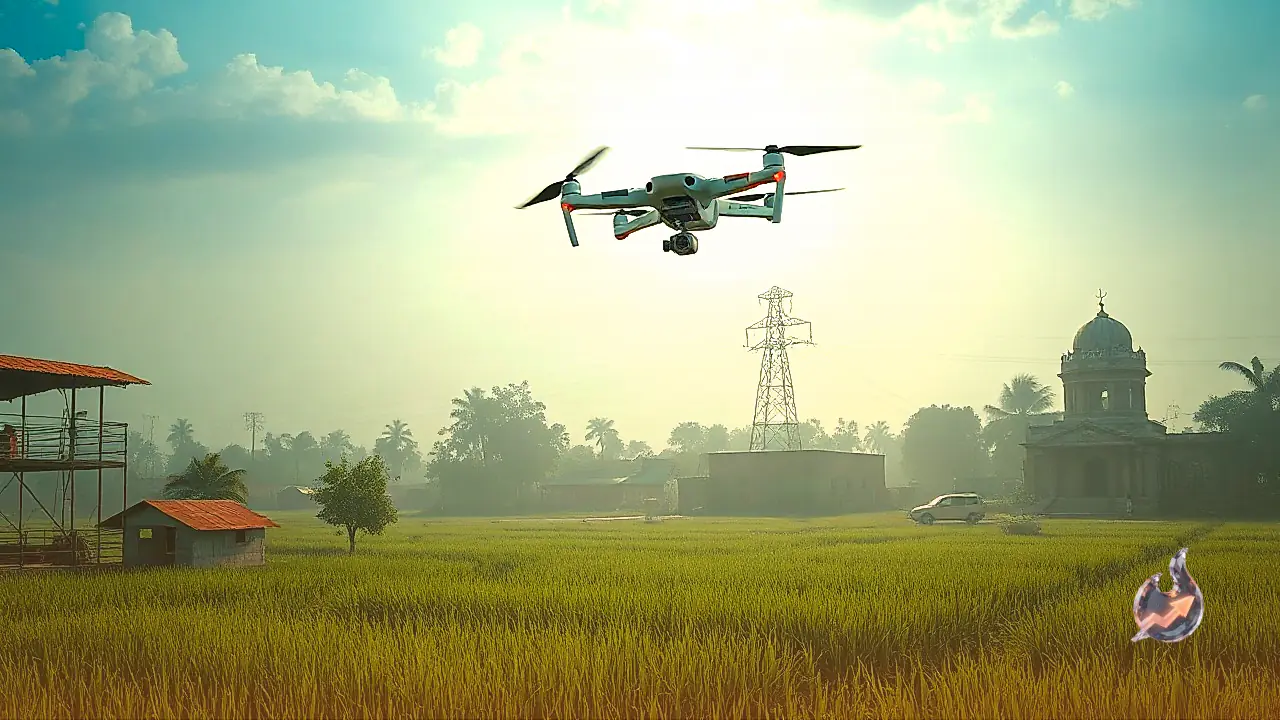

Mechanised operations are steadily reshaping agricultural practices, and authorities in Bihar's Purnia district are stepping forward to accelerate this transformation. To encourage the adoption of aerial spraying and modern field monitoring, the government has rolled out financial assistance for purchasing agricultural drones. The initiative aims to equip local cultivators and rural youth with advanced equipment, allowing them to provide commercial spraying services across village farms. Beyond improving farm efficiency, the model is designed to create self-employment opportunities for local youth within their native region.
Tiered Financial Subsidies Based on Qualifications
Mohammad Shehzad Alam, an official dealing with agricultural mechanisation at the Purnia District Agriculture Department, outlined the operational specifics of the scheme. According to him, candidates who have cleared at least Class 10 are fully eligible to apply for the subsidy programme. For these matriculate applicants, the government is providing financial assistance of up to Rs 4 lakh towards the purchase. Meanwhile, candidates holding an undergraduate degree in agriculture qualify for an enhanced subsidy of 50 percent, which amounts to Rs 5 lakh. Alam noted that the overall market cost of an agricultural drone setup stands at roughly Rs 10 lakh.
Comprehensive 15-Day Drone Pilot Training Programme
To ensure safe and productive usage of the aerial equipment, the department has coupled financial assistance with hands-on skill development. Alam explained that once applications are registered, candidates will undergo a mandatory 15-day drone pilot training module. The curriculum covers key mechanical aspects, flight stability protocols, troubleshooting, and methods for accurate chemical distribution across various crop varieties. Once certified, these trained operators will be fully equipped to deliver commercial spraying services to surrounding farmers, generating steady service revenue.
Application Procedure and Document Verification
Prospective beneficiaries must ensure they hold an active registration with the agriculture department before proceeding with the process. Eligible candidates can submit their forms online by visiting either the DBT Agriculture portal or the OFMAS platform managed by the state government. Following the submission window, departmental teams will scrutinise all incoming dossiers to verify applicant credentials and documents. Officers will subsequently establish direct contact with shortlisted candidates to finalise subsidy disbursal and proceed with equipment procurement.