






















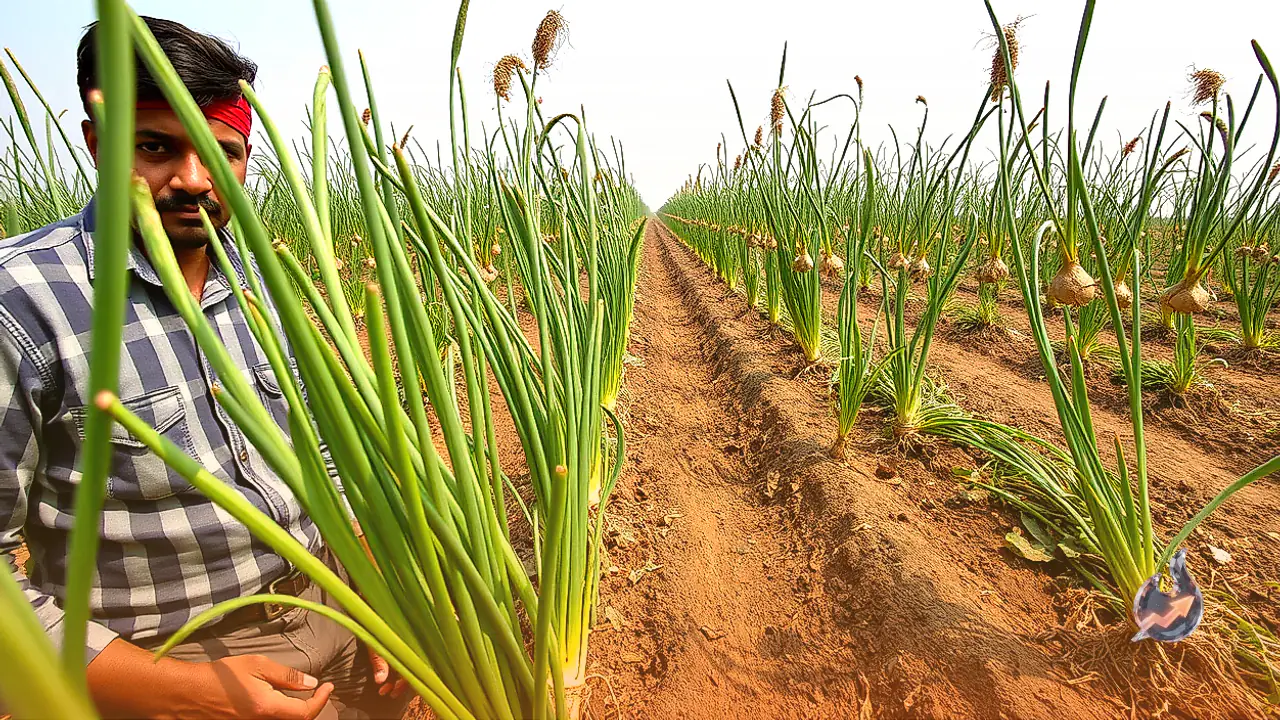

Field preparations for the Rabi cropping cycle are gaining momentum across Bihar. While wheat traditionally occupies the largest share of acreage during this period, cash crops such as potato and onion also hold a vital position for local growers. In Jehanabad district, Laxmikant Azad, a progressive farmer based in Jai Kishun Bigha village within Modanganj block, is gearing up to cultivate onions across more than 2 acres. Known for growing a diverse rotation of crops, Azad emphasizes that securing superior yields hinges entirely on selecting appropriate seed varieties and executing agricultural operations precisely on schedule. Driven by this approach, he has already initiated field tillage and soil conditioning.
Nursery Management and the Right Sowing Window
Establishing a sturdy nursery forms the cornerstone of a successful onion harvest. According to Laxmikant Azad, the optimal window for sowing onion seeds in the nursery opens on October 15 and runs through the end of October. During nursery preparation, growers must pay strict attention to proper plowing and soil health. Incorporating organic fertilizer into the field bed delivers substantial long-term benefits compared to excessive synthetic chemicals. Specifically, applying vermicompost around the root zones of young saplings accelerates nutrient uptake, fortifies plant vigor, and ensures robust early development. Alongside nutrient replenishment, careful monitoring of moisture levels through regulated watering is equally indispensable.
The Advantage of Heavy Clay Soil in Weed Suppression
Soil texture plays a pivotal role in determining operational expenses during the winter season. Fields characterized by Kewal soil, a local term for heavy black clay, experience substantially lower weed emergence. Diminished weed growth directly reduces manual weeding requirements, sparing farmers considerable labor expenditure. Furthermore, because soil nutrients are fully absorbed by the onion bulbs rather than consumed by invasive weeds, the overall crop yield and bulb sizing improve dramatically, making soil selection a major factor in farm profitability.
Transplanting Timeline, Irrigation Rounds, and Seed Sourcing
Once nursery saplings attain maturity, attention shifts to transplanting them into the main agricultural plot. Azad notes that the calendar window between December 15 and January 15 serves as the ideal period for transplanting onion seedlings. Throughout the crop cycle, the field requires roughly 5 to 6 rounds of irrigation, applied in harmony with supplemental organic fertilization. To ensure seed purity and reliable germination, Azad sources his onion seeds directly from Bengal, highlighting that quality seed stock lays the groundwork for high-grade produce.
Cost Breakdown and Net Earnings per Acre
When managed with discipline, onion farming offers impressive commercial viability. Total cultivation expenditures typically range between 35,000 and 40,000 rupees per acre, covering nursery inputs, labor, watering, and soil amendments. Even under moderate wholesale rates where the harvest fetches 1,500 rupees per quintal, a grower can realize a net seasonal profit of 80,000 to 90,000 rupees per acre. By adhering strictly to seasonal timelines, proper soil management, and sensible input use, agriculturalists can turn winter onion farming into an exceptionally rewarding endeavor.