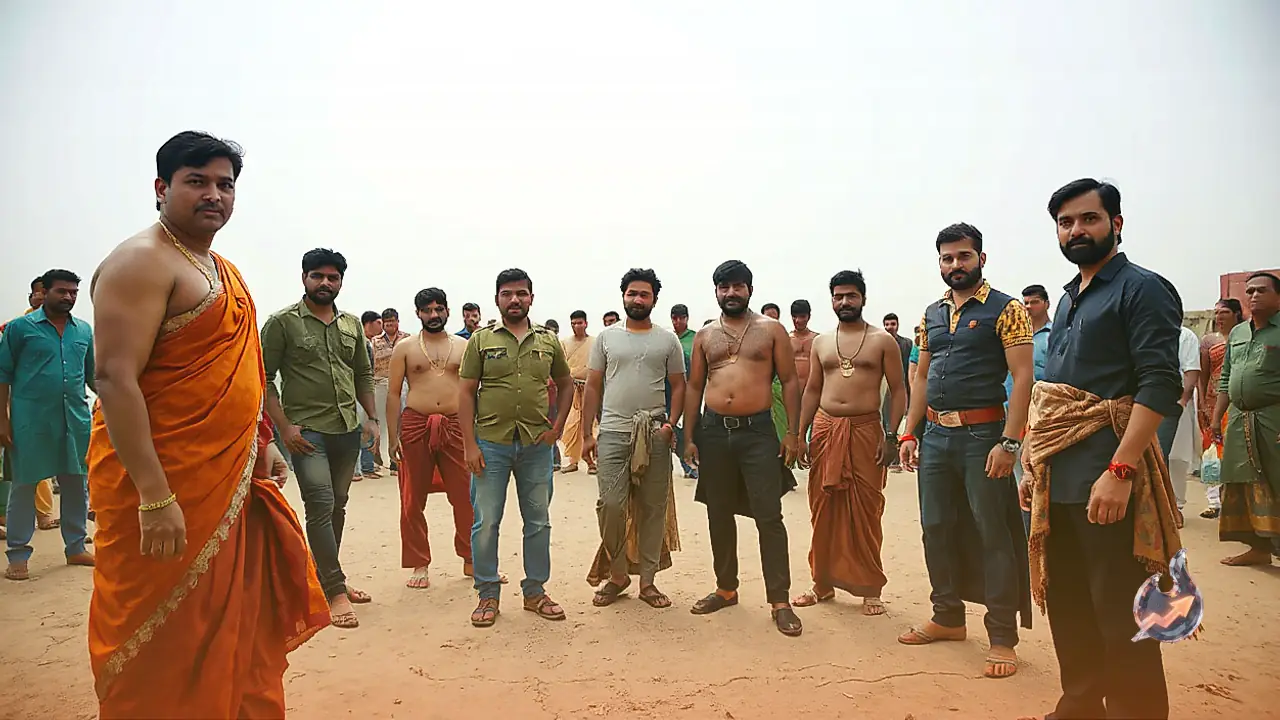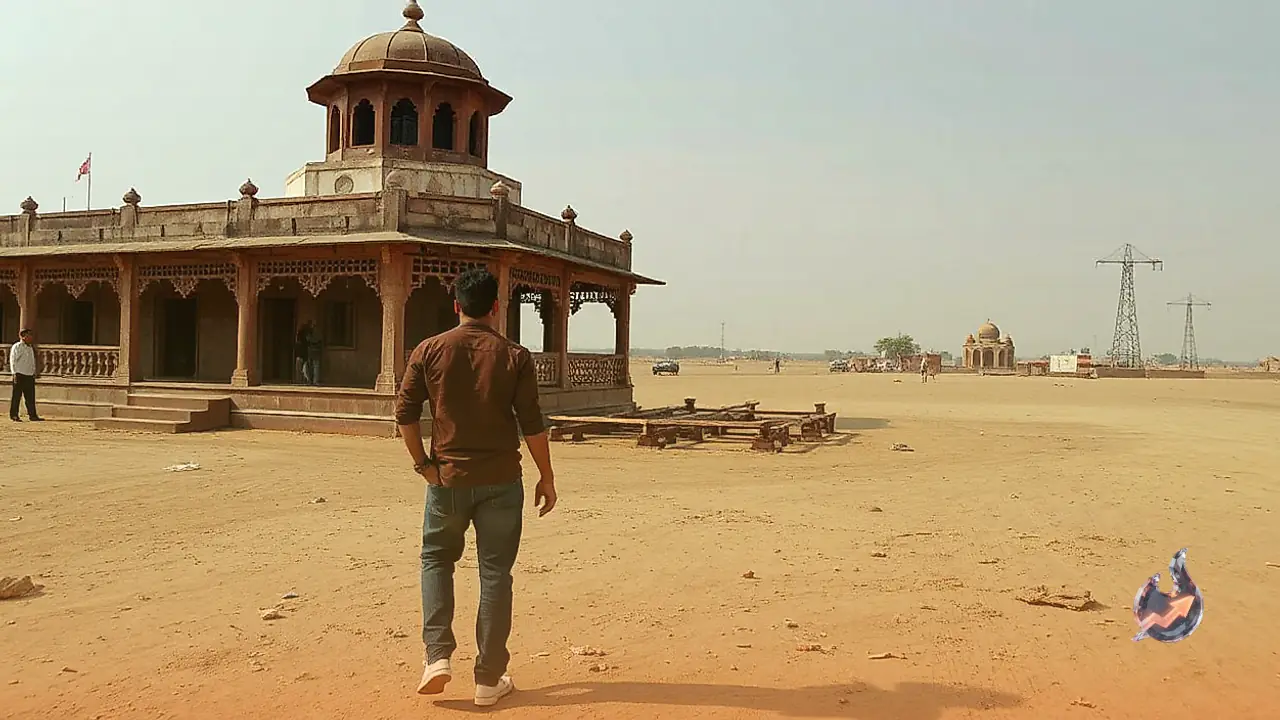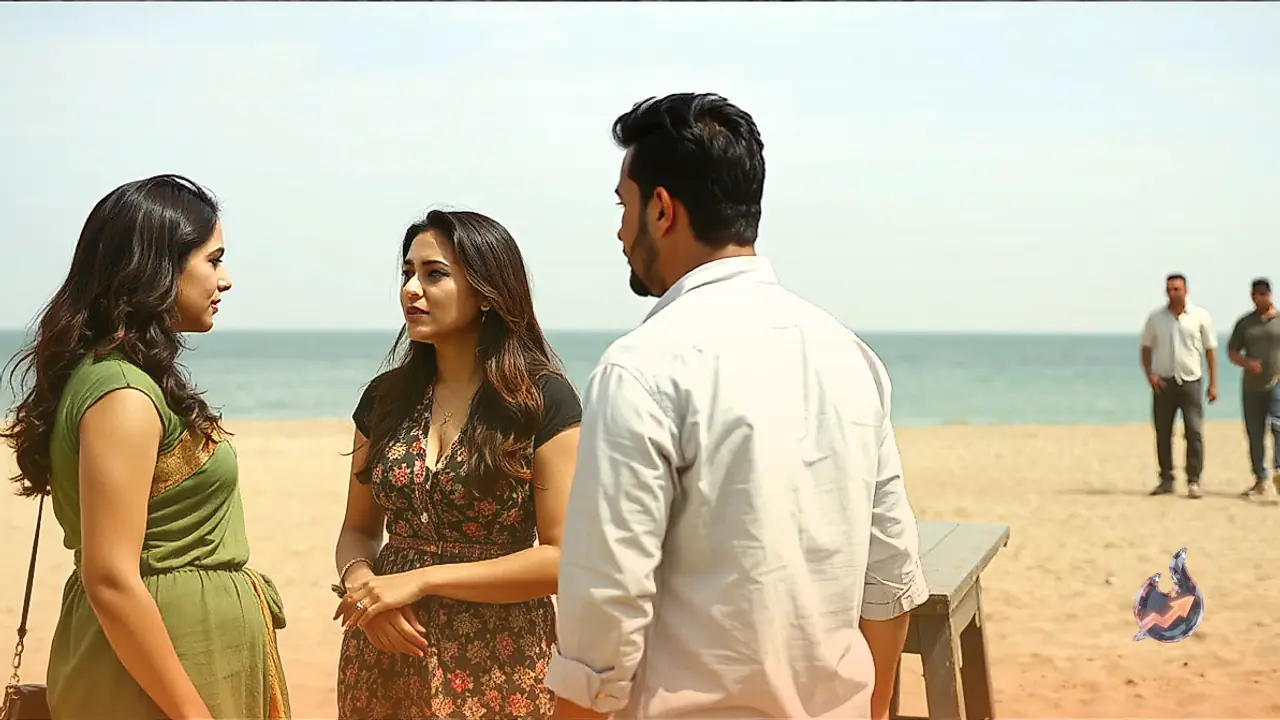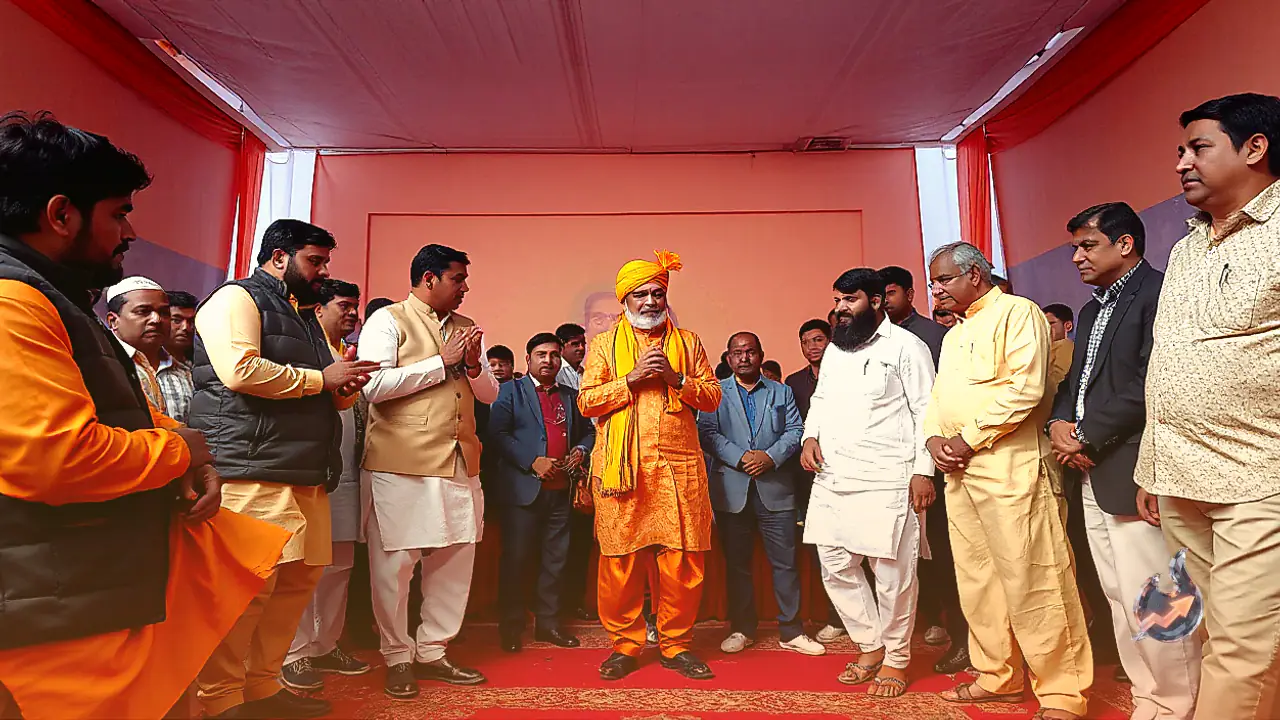



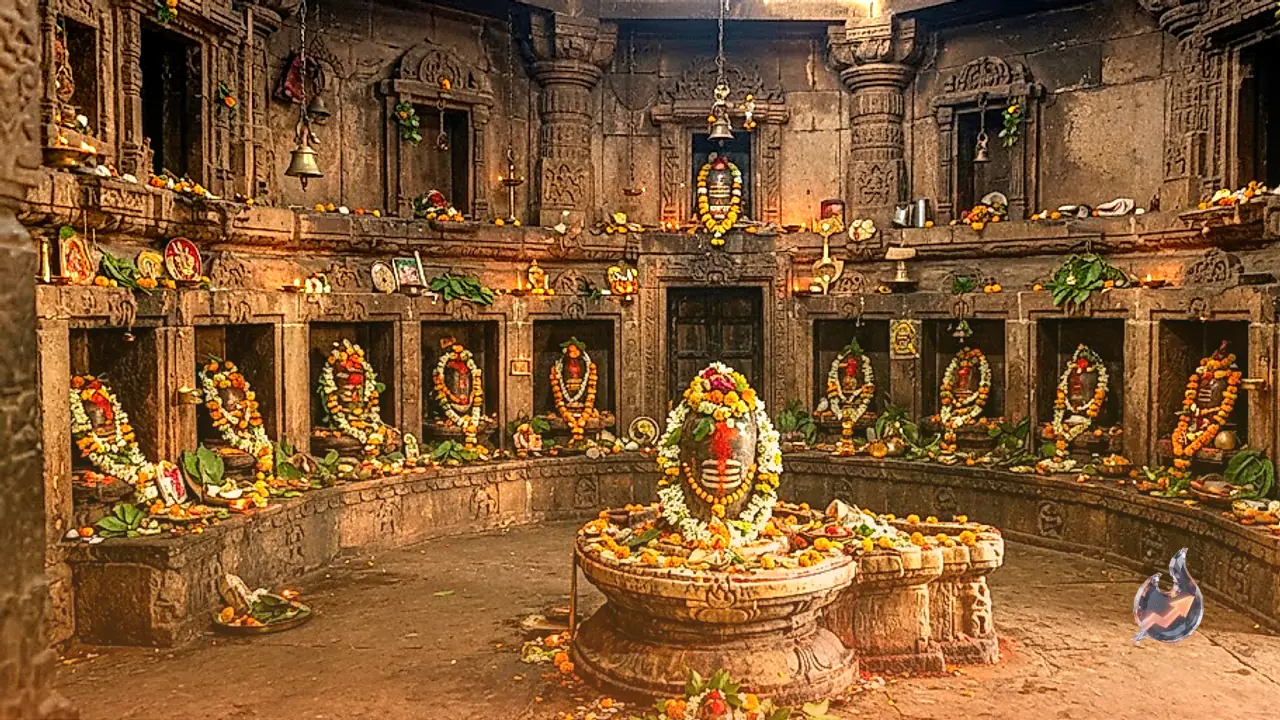

















A film made on a shoestring budget of ₹2 crore has pulled off a box office run that even its own makers did not see coming. Hanuman Ansh, based on the life of Neem Karoli Baba, keeps making headlines, but the story behind its numbers is just as remarkable as the numbers themselves, because the real drama unfolded on set, where devotion mattered as much as the day's shot list. Trade circles have taken note of just how far a film this small has traveled, especially at a time when big-budget releases are struggling to hold audiences in theatres.
A strict, devotion-first set
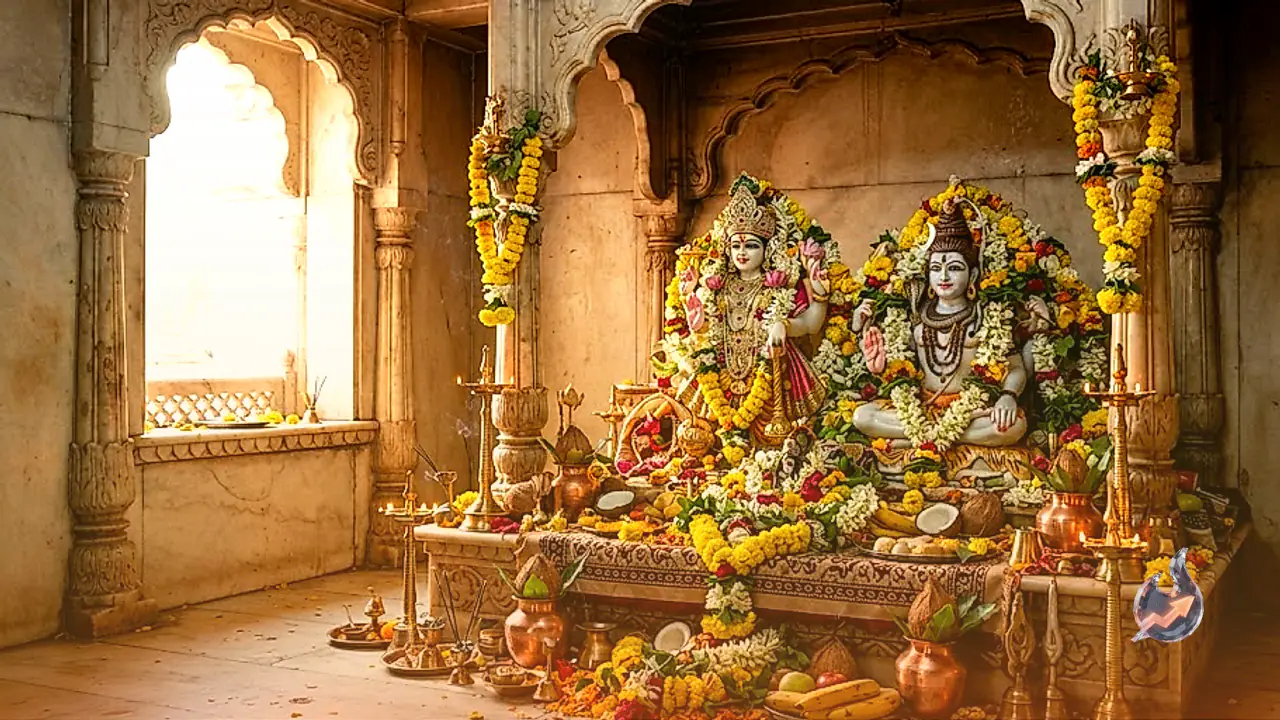
Writer-director Vishal Chaturvedi revealed that the atmosphere on set was deliberately kept unlike a typical film shoot. To preserve the spiritual core of the story, the team imposed a set of strict rules on itself for the entire duration of the shoot. Abusive language was off-limits, non-vegetarian food was banned outright, and alcohol was kept well away from the set at all times. According to Chaturvedi, the crew would only switch the cameras on after reciting the Hanuman Chalisa each morning, and the same ritual closed out the day once shooting wrapped for the evening. He believes this blend of devotion and discipline is what carried the production past every big obstacle it ran into along the way. That discipline, he added, also helped the cast and crew stay emotionally connected to the material itself throughout filming.
The 'Jai Santoshi Maa' connection
Speaking on The Raunak Podcast, Chaturvedi said his inspiration for making this kind of film came from Jai Santoshi Maa. Jai Santoshi Maa ranks among the most successful films in Indian cinema history, yet very few people actually know that, he said. He explained that he had been mulling over this project for close to a year and a half, convinced that Bollywood had a glaring gap when it came to devotional cinema of that scale. He pointed out that Jai Santoshi Maa, released alongside Sholay, went on to earn roughly 100 times its budget, making it the most profitable Indian film of its era. The question that kept nagging him, he said, was why such a massive genre simply vanished from Indian screens, and why films were never made in that mould again in all the decades since.
No fee for the director, a fruits-only diet for months
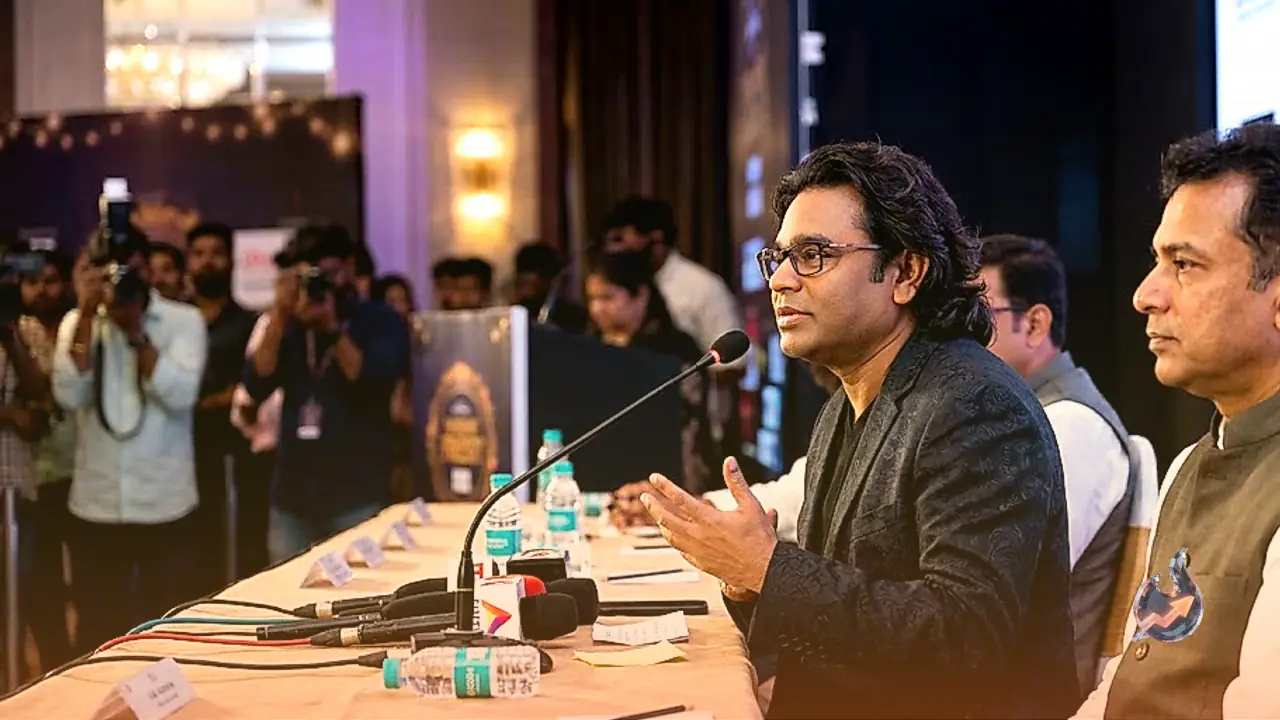
Chaturvedi, who both produced and directed Hanuman Ansh, also made it clear that he did not keep any earnings for himself from the project. I am both the producer and the director of this film, yet I decided not to take even one rupee as my fee, he said. On top of that, he stayed on a fruits-only diet for four and a half months straight in the run-up to the film's release, a personal discipline he chose to observe alongside the crew's own restrictions. Only pure vegetarian food was served on set as well, so that the entire team stayed aligned with the film's spirit from the first day of the shoot to the last. That personal discipline underlines that, for him, this was never just another commercial venture but a project tied directly to his own faith.
From a ₹10 lakh opening to near ₹100 crore
Built on limited resources and a budget of just ₹2 crore, Hanuman Ansh opened with a modest ₹10 lakh on its very first day at the box office. But word-of-mouth buzz among audiences kept pushing its earnings higher with every passing day, and the film has now climbed to nearly ₹100 crore rupees in total collections. That journey from a ₹10 lakh opening to a near ₹100 crore total puts it right at the front of the biggest sleeper hits of 2026 so far. Shobhiwan Satya plays the lead role in the film, and the steadily growing footfall in theatres suggests its pull with audiences is still far from fading even weeks after release.