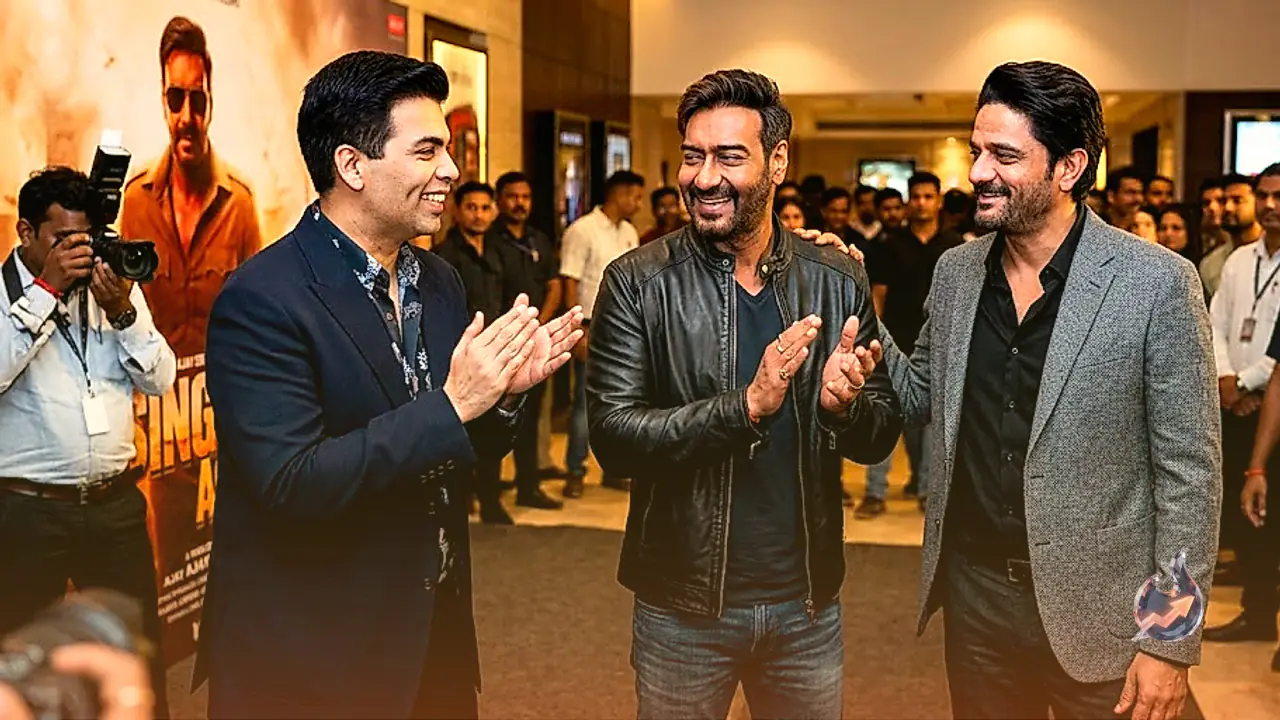






















Theatres are witnessing an enthusiastic turnout for Ajay Devgn starrer suspense thriller Drishyam: The Conclusion. Amid the strong audience response, director Abhishek Pathak shared his experience of translating this complex narrative onto the silver screen. Shaping this third instalment proved to be a formidable creative undertaking, primarily because Pathak wanted to shed the remake label entirely and build an independent script from a fresh vantage point.
Dissecting Earlier Instalments To Build Multiple Narrative Layers
Pathak explained that the narrative architecture of Drishyam 3 is woven with intricate storytelling layers. To ensure that every beat landed effectively, he found himself repeatedly studying the previous films in the franchise. The creative team took special care to ensure that each scene and dialogue contributed meaningfully to advancing the overarching plot. Ajay Devgn's measured screen presence combined with tight directorial pacing has turned this thriller into a gripping experience for moviegoers.
Linking Past Dialogues With The New Narrative Arc
While working on the screenplay for Drishyam: The Conclusion, the writing team routinely examined fleeting moments, minor dialogues, and specific scenes from the earlier films. The goal was to seamlessly tether those earlier threads to the new storyline. Pathak was acutely conscious that viewers were already intimately familiar with the events of Drishyam and Drishyam 2, leaving no room for narrative inconsistency.
The Determination To Move Beyond The Remake Tag
Pathak aimed to evoke a sense of nostalgia while ensuring that every narrative piece clicked together organically. However, evading the remake categorization remained a primary objective. The director noted that when a project adapts pre-existing material, audiences and critics often overlook the hard work invested in developing the Hindi cinematic adaptation. To counter that tendency, he decided to helm this concluding chapter with an original vision.
Rigorous Screenplay Debates And Eliminating Predictability
Pathak emphasized his desire to steer the storytelling entirely on his own terms and deliver his distinct version of the final chapter. The writing room witnessed intense, continuous debates over the progression of the screenplay. Whenever a plot point felt even slightly predictable, the team flagged it immediately to ensure the mystery remained difficult to crack. This meticulous filtering process enabled the narrative to retain its layered complexity without alienating the audience, earning widespread appreciation from viewers.