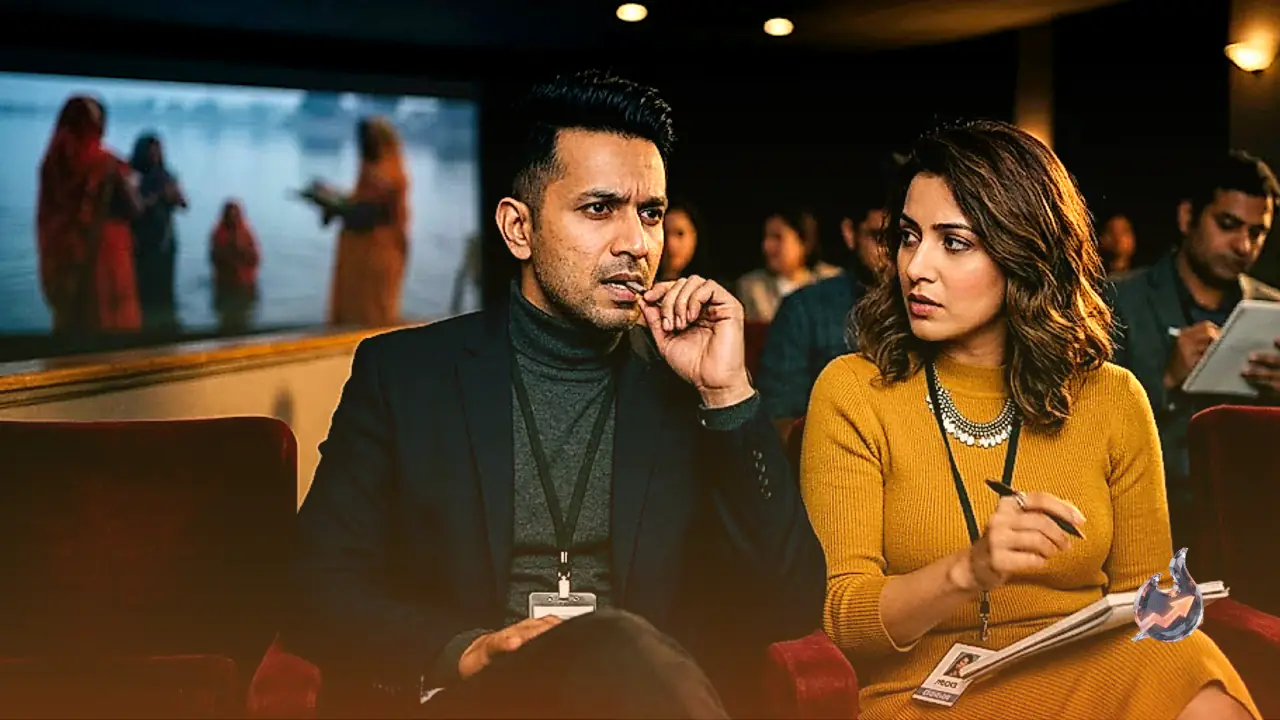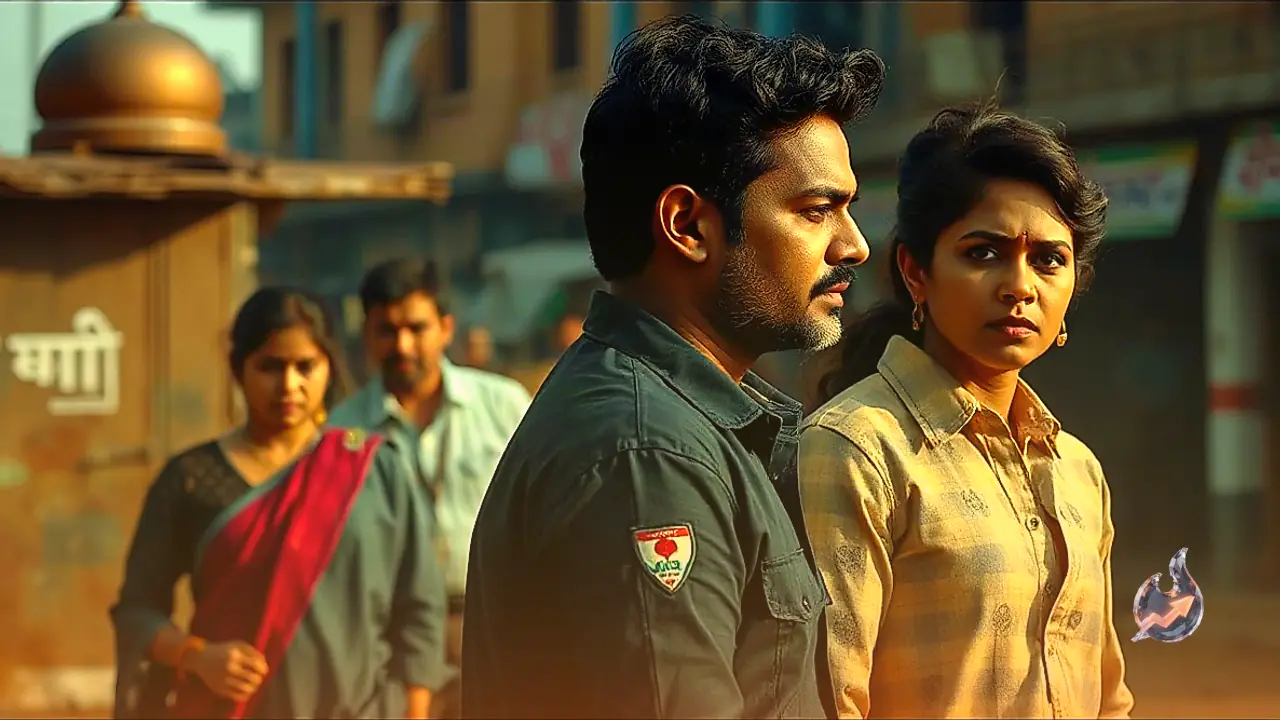

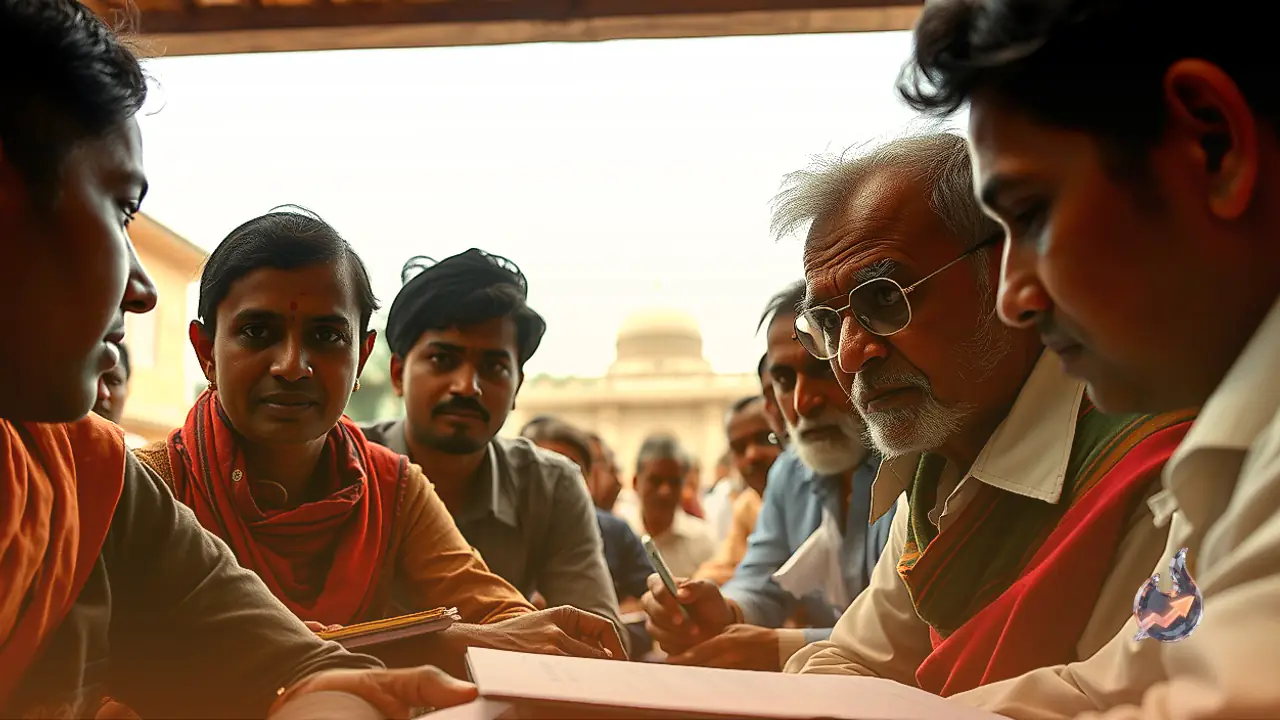


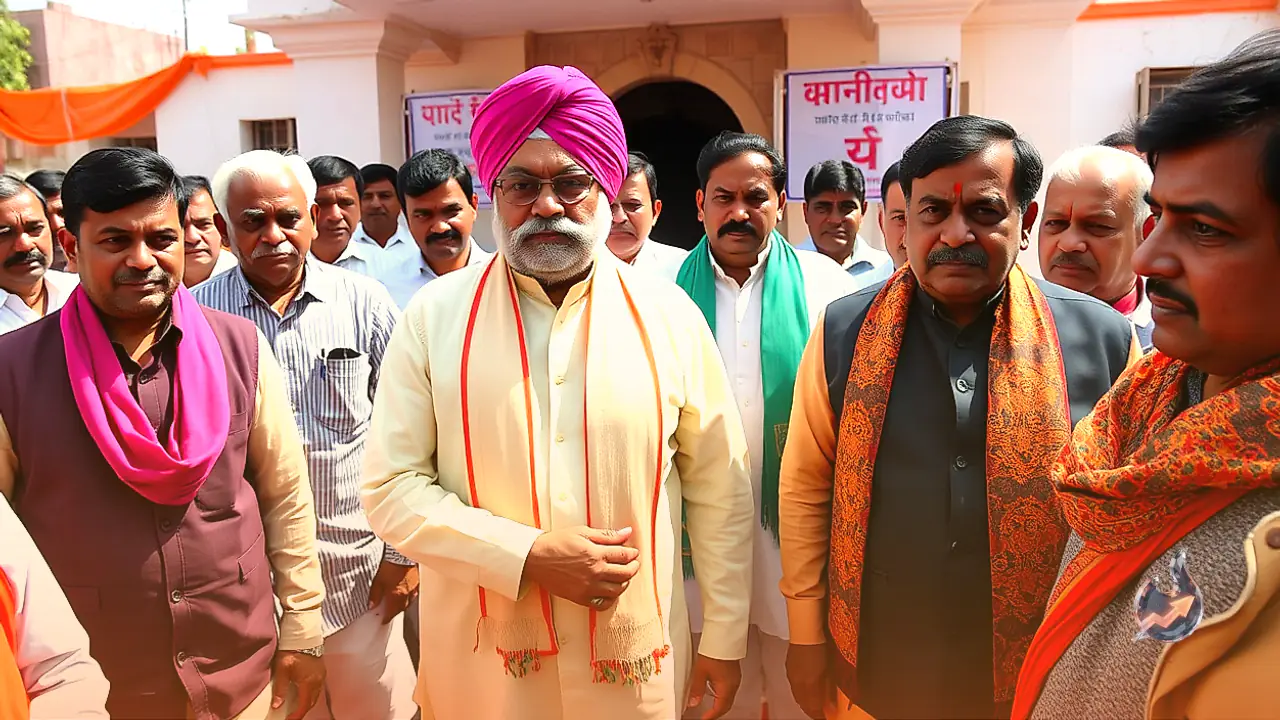


















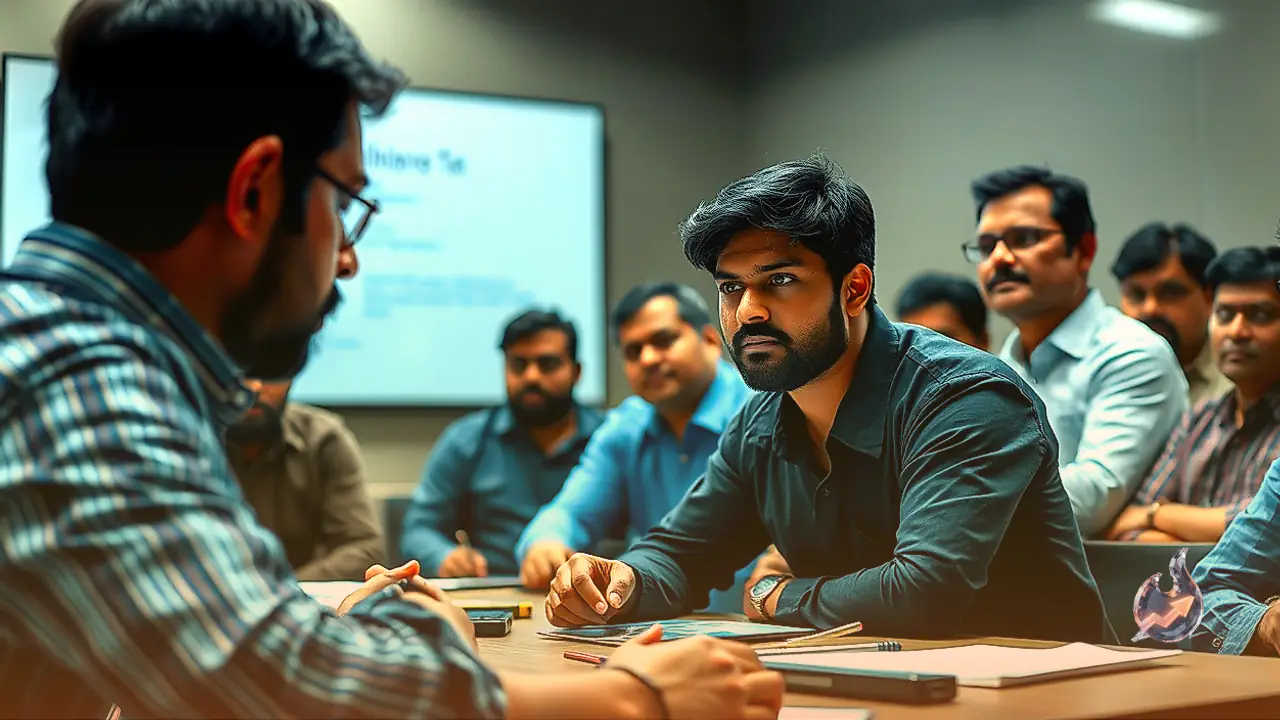

Certain release windows in cinema carry a special fortune for top actors, and October has historically served as a remarkable lucky charm for Ajay Devgn. Historically, his major releases arriving during this month have consistently shattered box office records and garnered tremendous warmth from viewers. Continuing that golden trajectory, Panorama Studios and Star Studios 18 bring the much anticipated Drishyam 3, also presented as Drishyam: The Conclusion, to the big screen. In this comprehensive Drishyam 3 review, we assess whether the concluding chapter of this iconic thriller meets its towering expectations.
The Past Resurfaces in a Fierce Legal Duel
The plot picks up right from the tense juncture where the second installment left off. The Salgaonkar household, comprising Vijay, his wife Nandini, and daughters Anju and Anu, is striving to leave the shadows of their harrowing past behind and rebuild a normal existence. In a bid to close the case once and for all, they submit a formal legal petition before the court. Yet, the past refuses to fade quietly into memory.
Meanwhile, still haunted and consumed by grief over the untimely death of their son, Meera Deshmukh and Mahesh Deshmukh remain relentlessly driven by a thirst for justice. Determined to find closure for their son Sameer Deshmukh, they bring in Goa Police's unyielding, sharp, and shrewd Superintendent of Police, Rajiv Singh Tomar, to spearhead a fresh investigation. Tomar firmly operates on the uncompromising belief that evidence is the ultimate and only weapon of the law. This sets off a chilling psychological cat and mouse game, transitioning from police stations to the courtroom. A high-stakes legal confrontation erupts as a razor-sharp lawyer representing Sameer's grieving parents faces off against Vijay. This time, Vijay is not merely evading police questioning; he is navigating the complex labyrinths and technicalities of the legal system itself. Whether Vijay can navigate his family out of this final, treacherous maze forms the beating heart of the thriller.
Stellar Screen Performances: Silence Meets Authority
On the acting front, the production stands as an exceptional showcase of restraint and intensity. Ajay Devgn steps back into the shoes of Vijay Salgaonkar with commanding gravitas. Across the film's nearly 2 hour and 50 minute runtime, Devgn speaks for barely 8 to 10 minutes in total. Yet, his silence resonates far more powerfully than grand monologues ever could. Relying strictly on the expressive depth of his eyes, an impassive facial composure, and subtle body language, he reinforces why Vijay Salgaonkar remains one of modern Indian cinema's most iconic protagonists. Beneath his exterior calm lies a brilliant, calculating intellect.
Jaideep Ahlawat provides a formidable counterbalance as SP Rajiv Singh Tomar, embodying an imposing, intelligent, and relentless pursuer. His sheer screen presence injects immediate tension into every frame he occupies. While Devgn and Ahlawat share only a handful of scenes directly, the electric friction and psychological weight in those exchanges elevate the entire film.
Tabu delivers a deeply moving portrayal, capturing the lingering agony, rage, and vulnerability of a bereaved mother with absolute sincerity. Rajat Kapoor, Ishita Dutta, and Mrunal Jadhav bring warmth and credibility to their parts, reflecting the persistent dread and tight-knit solidarity binding the Salgaonkar unit. Prakash Raj injects sharp dynamism into the courtroom proceedings as the relentless prosecuting lawyer, while Kamlesh Sawant returns naturally as Inspector Gaitonde, offering welcome moments of grounded realism and mild relief amidst the overarching gravity.
Directorial Craft and Visual Ambience
Taking over the reins of a franchise following two massive blockbuster successes was an enormous challenge, yet director Abhishek Pathak steers the ship with notable maturity. Collaborating with screenwriters Aamil Keeyan Khan and Parveez Shaikh, Pathak crafts a script that honors the franchise's original roots while escalating the narrative stakes. His command over pacing ensures that viewers remain glued to the unfolding developments. Every sequence is constructed with surgical precision, maintaining a delicate balance between Vijay's calculated silence and Tomar's assertive pursuit. The director continually engages the audience's mind, skillfully preserving the core suspense until the final moments.
Cinematography plays a pivotal role in establishing the thriller's grim tone. Rather than highlighting Goa's celebrated beaches and vibrant nightlife, the camera captures a brooding, shadowed, and grounded environment. From the claustrophobic corridors of the Salgaonkar home to the stifling confines of interrogation chambers, the visuals immerse viewers in palpable dread. The deliberate framing and close-ups, especially framing Devgn's intense gaze and Ahlawat's unyielding sternness, amplify the narrative tension.
Ravi Basrur's background score operates as the film's driving engine. In a narrative where the protagonist seldom speaks, the musical landscape must articulate his inner calculations. Basrur rises to this challenge seamlessly. His compositions deepen the mystery, delivering goosebumps during pivotal narrative pivots. The score honors silence during intimate moments and escalates the auditory impact precisely when unexpected twists emerge.
Pacing Flaws and Narrative Liberties
Despite its strengths, the thriller contains a few notable shortcomings. The running time of around 150 minutes feels stretched in specific stretches. The initial half takes considerable time laying the groundwork and establishing procedural developments, resulting in a somewhat deliberate tempo. Additionally, seasoned performers like Tabu and Rajat Kapoor receive comparatively limited screen time in this segment. Certain courtroom manipulations and evidentiary maneuvers also rely on creative liberties that stretch real-world plausibility.