




















The sacred rituals and cultural reverence surrounding Chhath Puja are witnessing a prominent revival across contemporary Hindi cinema. With major theatrical productions embedding the ancient festival into their core narratives, audiences are getting a fresh cinematic glimpse of eastern India's beloved folk tradition. However, bringing bamboo soop baskets, coconuts, and riverbank prayers to the silver screen is not a modern innovation. This visual journey traces its origins back over six decades to a pioneering cinematic work produced in 1961.
Phani Majumdar and the Historic Celluloid Milestone
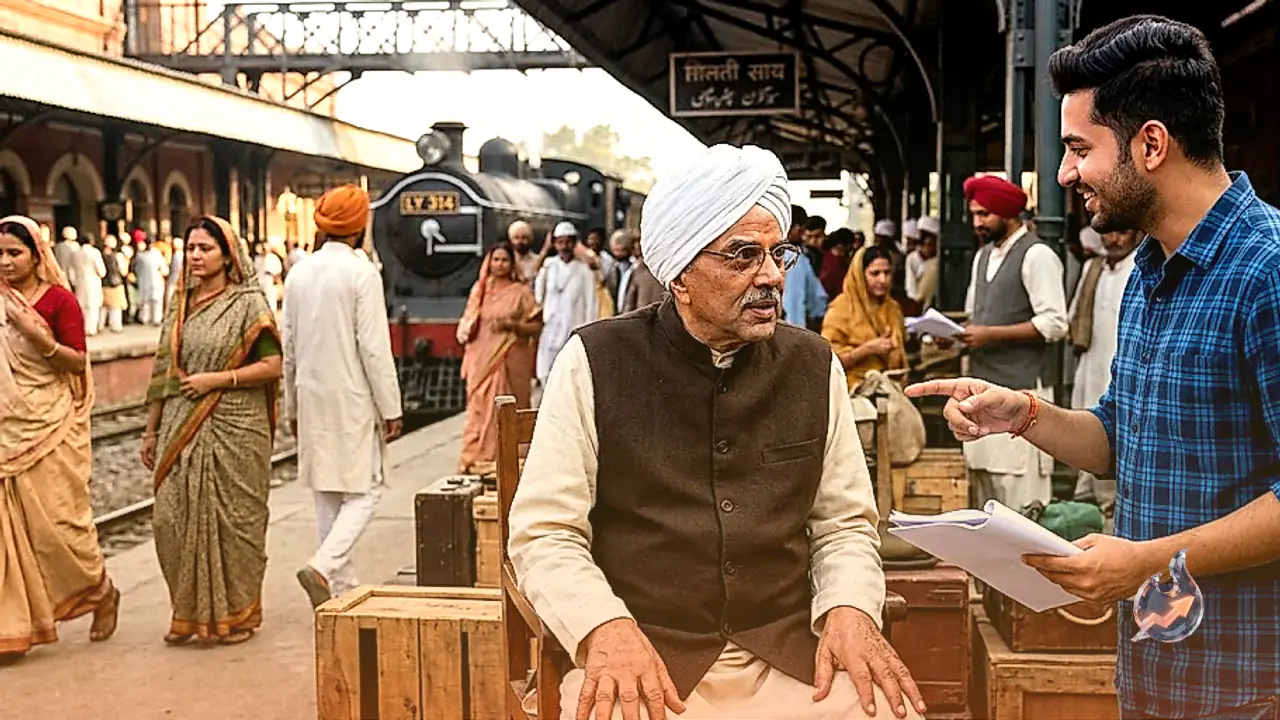
In 1961, Nalanda Chitra Pratishthan backed an ambitious social drama titled Bhaiya, helmed by acclaimed filmmaker Phani Majumdar. Breaking away from conventional cinematic storytelling of that era, Majumdar achieved an industry first by dedicating narrative depth to the rigorous rituals, evening offerings, and spiritual austerity associated with Chhath.
While Bhaiya was primarily crafted in the Magahi tongue, its dialogue delivery was kept accessible and lucid, ensuring that mainstream Hindi-speaking filmgoers across northern territories could follow the emotional arc seamlessly. The project assembled a formidable ensemble of performers, featuring Tarun Bose, Achala Sachdev, Vijay Choudhary, Padma Khanna, Helen, Shubha Khote, and Ramayan Tiwari. Together, they portrayed the authentic warmth of rural domesticity and community life.
Usha Mangeshkar's Timeless Folk Hymn That Endures
The most lasting cultural contribution of Bhaiya emerged from its musical composition, particularly the devotional hymn dedicated to the sun god, titled Soopwe Nariyarawe Bajali Moori Maiya. Sung with emotional grace by Usha Mangeshkar, the sister of legendary singer Lata Mangeshkar, the track immediately struck a chord with listeners across heartland communities.
Veteran music composer Chitragupt arranged the soundtrack, capturing the serene devotion and morning mist of village ghats through traditional acoustic structures. The verses were penned collaboratively by Vidyavasini Devi and Prem Dhawan, embedding genuine soil-rooted idioms into every stanza. More than six decades later, this track remains an indispensable anthem during festive gatherings across Bihar and eastern Uttar Pradesh, where loudspeakers continue to reverberate with its opening notes each autumn.
Shifting Mainstream Perceptions of Regional Folklore
Bhaiya entered theatres during an era when commercial Hindi productions rarely focused on regional dialects, local rituals, or rural customs. By weaving an authentic festival directly into a commercial family drama, the production challenged standard formulas and demonstrated that moviegoers eagerly embrace regional authenticity when handled with sensitivity and respect.
This breakthrough laid the foundation for subsequent pastoral masterpieces that explored village bonds and religious gatherings. Landmark cinematic works such as Nadiya Ke Paar and Laagi Naahi Chhoote Rama followed in its thematic footsteps, placing unvarnished rural life, familial devotion, and folk customs at the forefront of mainstream Indian filmmaking.
Modern Interpretations: The One and Yeh Prem Mol Liya
The legacy started by Bhaiya is actively expanding in the 2026 film calendar. In the romantic action drama The One, starring Sidharth Malhotra and Tamannaah Bhatia, Chhath Puja plays an essential role in the overarching plot. The production recently unveiled its thematic track Chhathi Maiya, with Bhatia sharing how filming the sequences helped her comprehend the spiritual rigour demanded by the festival. The project is scheduled for its worldwide theatrical debut on September 25, 2026.
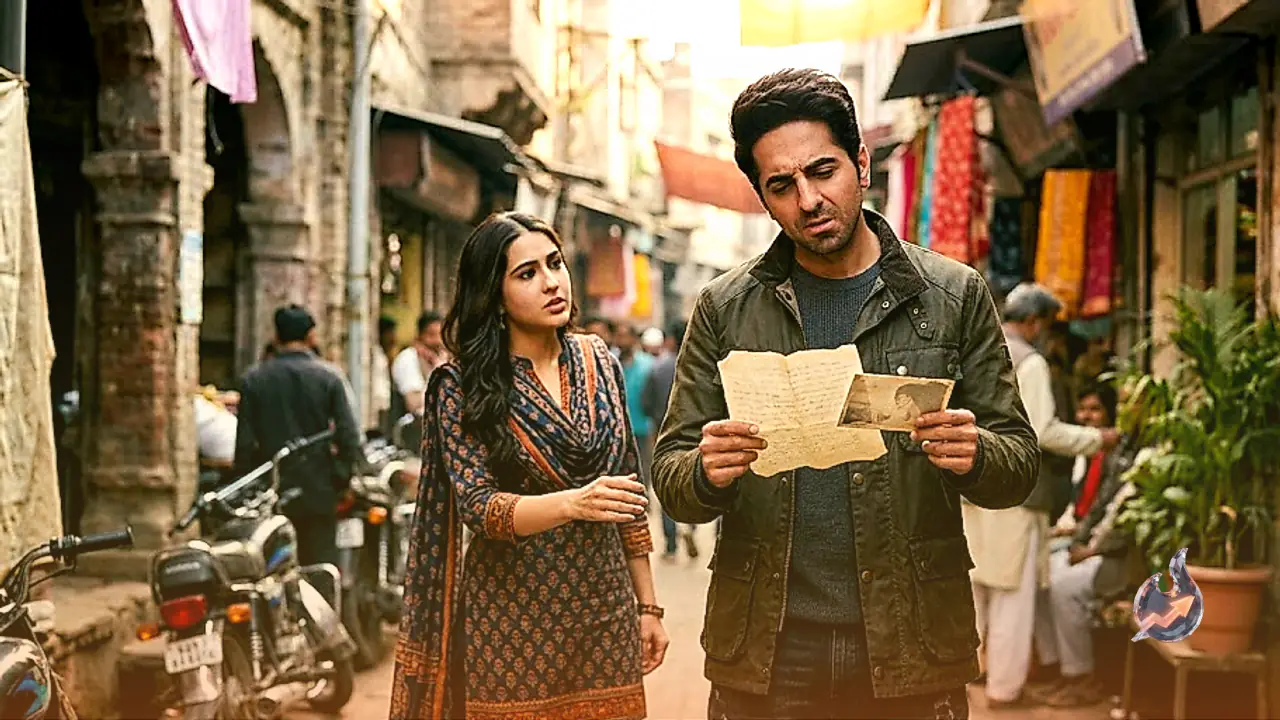
Simultaneously, filmmaker Sooraj R. Barjatya has integrated the sunrise offering into his upcoming drama Yeh Prem Mol Liya, pairing Ayushmann Khurrana with Sharvari. The film's title song, unveiled on September 21, 2026, juxtaposes wedding celebrations with traditional Chhath ceremonies on the riverbank. This family-oriented production is slated to arrive in cinemas on November 27, 2026, marking a full circle for the sacred festival on the silver screen.