























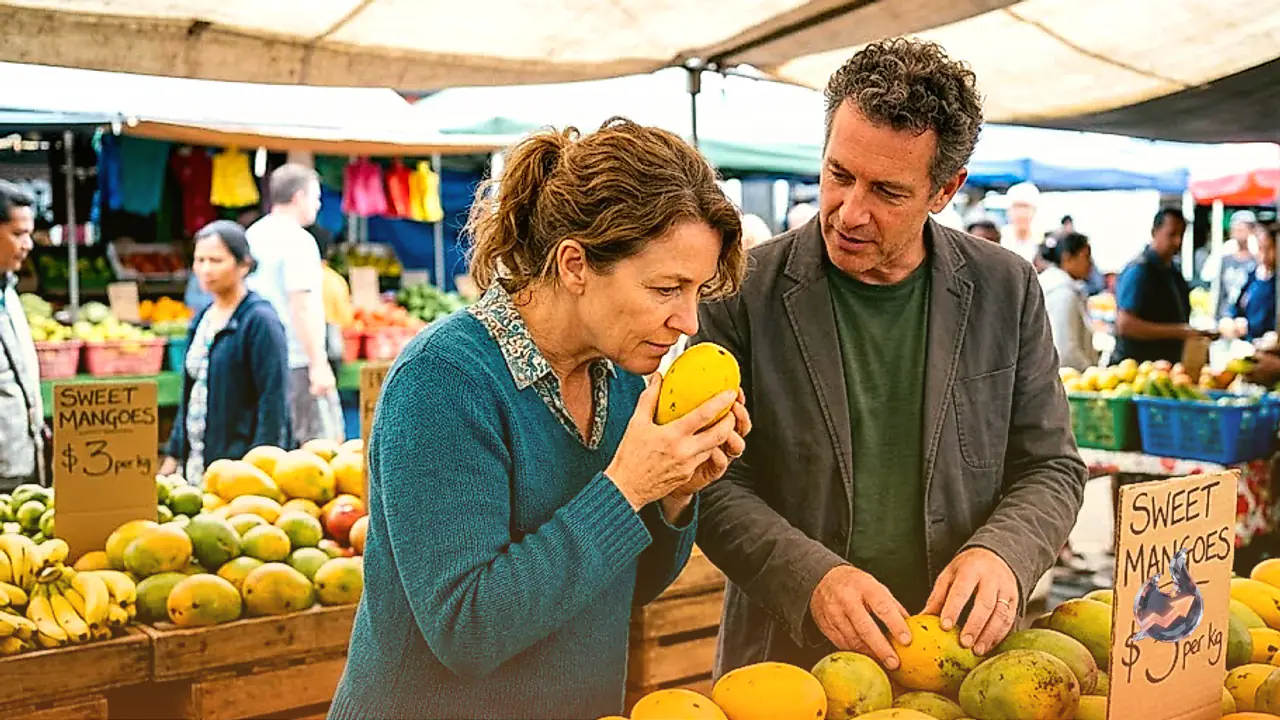

Fresh fruits form a cornerstone of daily wellness and vitality, yet navigating the modern market demands a cautious eye. Many vendors now deploy artificial chemicals to accelerate the ripening cycle, aiming to push produce onto stalls well ahead of natural timelines. While these chemically treated items often appear vibrant and pristine on the display shelves, they fall significantly short of naturally matured produce in both nutritional depth and quality. Ensuring that your household consumes wholesome food requires understanding the practical indicators that separate naturally grown fruits from those ripened through artificial intervention.
Evaluating Uneven Peel Color and Surface Patches
One of the clearest visual cues of a naturally matured fruit is its balanced, consistent coloration across the entire skin. When produce ripens under standard sunlight on the plant, pigments develop gradually and evenly. In stark contrast, artificial accelerators frequently produce sharp color discrepancies. For instance, a chemically ripened mango might feature patches of deep yellow alongside sudden, rigid sections of vivid green. Bananas treated with ripening agents similarly tend to retain stark greenish patches on their stems and skin despite an otherwise bright yellow exterior, revealing an incomplete, forced transition.
Testing for Characteristic Natural Aromas
A fruit's aroma provides an immediate diagnostic indicator of how it was brought to maturity. Tree-ripened produce, particularly varieties such as mangoes, bananas, papayas, and melons, emits a rich, pleasant, and distinct fragrance that is noticeable even from a slight distance. If an item appears fully mature to the naked eye but completely lacks that signature sweet fragrance, it strongly suggests chemical intervention. Ripening compounds alter external appearance swiftly, yet they fail to trigger the enzymatic processes responsible for natural, complex fruit aromatics.
Inspecting Pulp Uniformity and Internal Firmness
External appearances can be deceptive, as chemically induced ripening rarely penetrates deeply into the fruit's core. Slicing into artificially treated mangoes, papayas, or bananas frequently exposes dense, tough, or pale inner flesh that remains underdeveloped. In contrast, naturally ripened fruit offers uniform softness from core to peel. An uneven texture, dry inner pulp, or a hardened central column clearly indicates that external color was forced long before the interior had properly matured.
Differences in Taste, Juiciness, and Sweetness
The palate quickly detects when fruit sugars have not formed through natural sunlight and tree sap. Naturally ripened harvest delivers a well-rounded sweetness paired with abundant natural juice. Chemically hastened counterparts, however, regularly taste flat, mildly astringent, or noticeably lacking in expected sweetness. The overall juice content in such specimens is often noticeably depleted, leaving behind a fibrous and unsatisfying mouthfeel.
Steering Clear of Unnatural Sheen and Essential Consumer Precautions
Shoppers should remain cautious when confronted with fruits that display a flawless, mirror-like exterior gloss. While visual appeal does not automatically signal adulteration, excessive cosmetic perfection frequently points to aggressive post-harvest processing. Genuine tree-ripened harvest naturally carries minor surface variations, slight blemishes, and subtle color shifts. To protect your household when shopping, adopt these sensible practices
- Source fresh produce consistently from established, trusted sellers with steady reputations.
- Prioritize locally available seasonal varieties over out-of-season selections.
- Avoid batches offered at suspicious discounts or displaying unnatural cosmetic sheen.
- Rinse all purchased items thoroughly under clean, running tap water prior to consumption.
- Soak produce for several minutes in water mixed with plain salt or baking soda to dislodge surface residues before giving them a final wash.