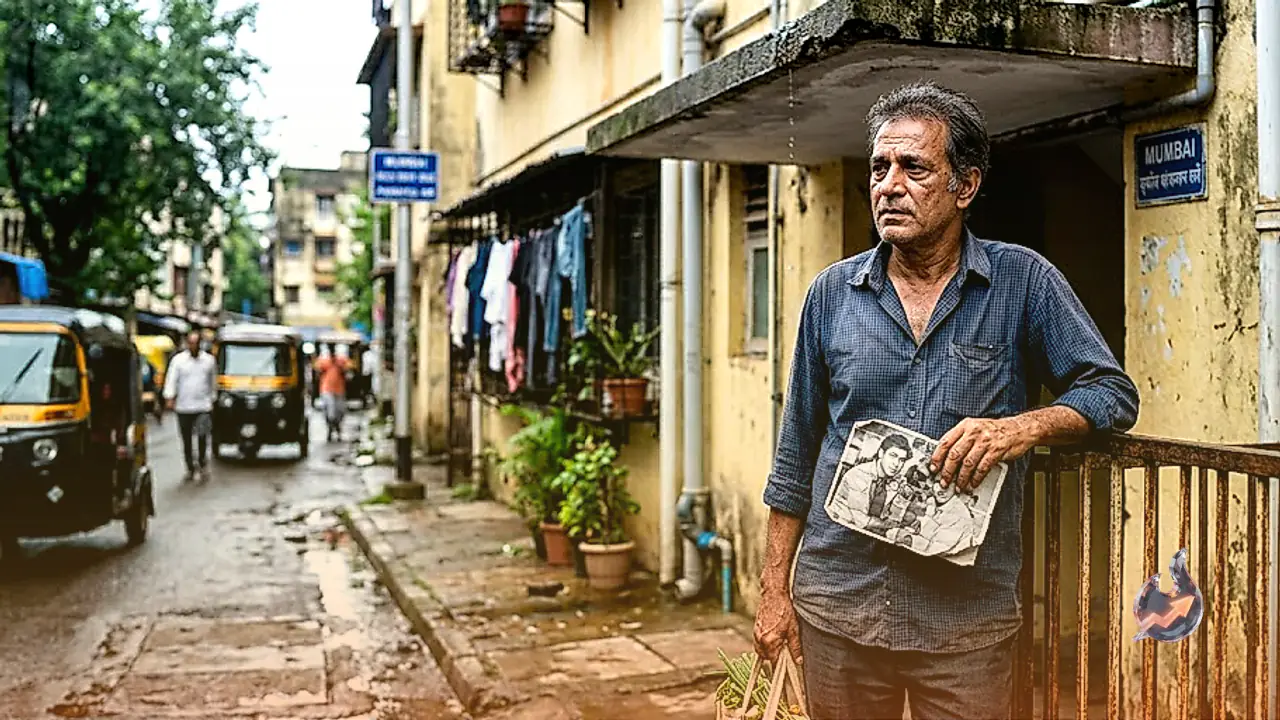


















The history of Hindi cinema contains several stories of actors who achieved immense fame with their very first project, only to see their careers derailed by binding legal terms or missed choices. Back in 1992, when the romantic drama Dil Ka Kya Kasoor reached theaters, its musical soundtrack took the nation by storm. The film served as the acting debut for a promising young actor named Prithvi, who shared screen space with actress Divya Bharti. While their onscreen pairing earned warm praise from audiences, the film itself struggled at the box office. Nonetheless, Prithvi's striking appearance and the explosive success of the songs propelled him into the spotlight almost overnight.
A Phenomenal Musical Debut in 1992
Although Dil Ka Kya Kasoor failed to generate huge box office receipts during its theatrical run in 1992, the movie's soundtrack created an undeniable frenzy across the country. Inside movie halls, whenever the popular track Ga Raha Hoon Is Mehfil Mein, Aapki Inayat Hai... began playing, audiences reacted with overwhelming enthusiasm. Theaters vibrated with loud applause and whistles, making the newcomer hero the focal point of industry discussions everywhere.
Featuring long hair, deep expressive eyes, and a handsome face, Prithvi established a distinct screen identity right from his debut outing. In particular, the chart-topping song Dil Jigar Nagar Kya Hai, Main Toh Tere Liye Jaan Bhi De Doon turned him into a sensation among youth. Impressed by his sudden popularity, numerous leading film directors and producers actively sought out Prithvi, eager to sign him for their upcoming projects.
The Father's Friend, a Binding Contract, and Missed Blockbusters
Prithvi owed his entry into Bollywood to producer Mukesh Duggal, who happened to be a close personal friend of Prithvi's father. Duggal chose to launch the young actor in Dil Ka Kya Kasoor, but attached a major condition to the debut. At the outset, he had Prithvi sign an exclusive contract stating that during the initial stage of his career, the actor could not collaborate with any outside production house and had to work solely with Duggal's banner.
As fate would have it, after the success of his debut's soundtrack, top filmmakers approached Prithvi with lucrative project offers. However, tied down by the legal restrictions of his contract, Prithvi had no choice but to turn them all down. Bound by this agreement, he missed out on landmark opportunities in iconic 1990s films such as Deewana and Darr. Those roles eventually went to other actors, altering the trajectory of Indian cinema history.
Subsequent Flops and the Decline of an Acting Career
Following his debut, Prithvi honored his commitment by appearing in subsequent ventures under Mukesh Duggal's banner, including Manchali and Ikka Raja Rani. Regrettably, none of these subsequent releases achieved commercial success or recreated the musical magic of his first film. With back-to-back failures and a reputation for being legally restricted, rival production houses gradually refrained from approaching him for new work altogether.
Consequently, the career of an actor who seemed destined for superstardom began a rapid downward spiral. As new offers dried up, Prithvi's presence in the film industry faded away. Despite a promising launch that made him an overnight star, he quickly joined the ranks of actors whose bright potential was cut short before reaching its full height.