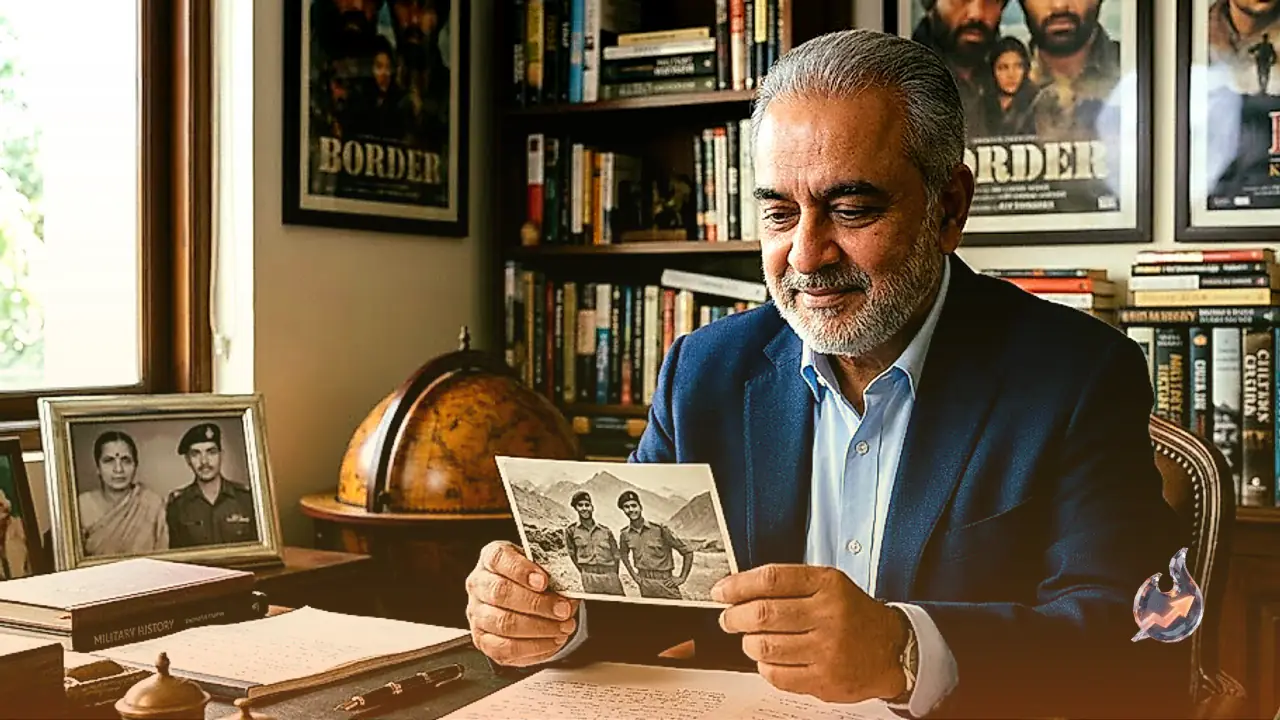




















In the expansive landscape of Indian popular cinema, few storytellers have captured battlefield courage and frontline reality with the scale and emotional weight achieved by director JP Dutta. Rather than relying on distant creative imagination, his signature cinematic universe was anchored directly in the lived reality of his own household. This immediate connection to the armed forces granted his storytelling an authentic pulse, redefining how patriotic human drama was experienced on the silver screen.
A Creative Foundation Shaped by Family and Armed Service
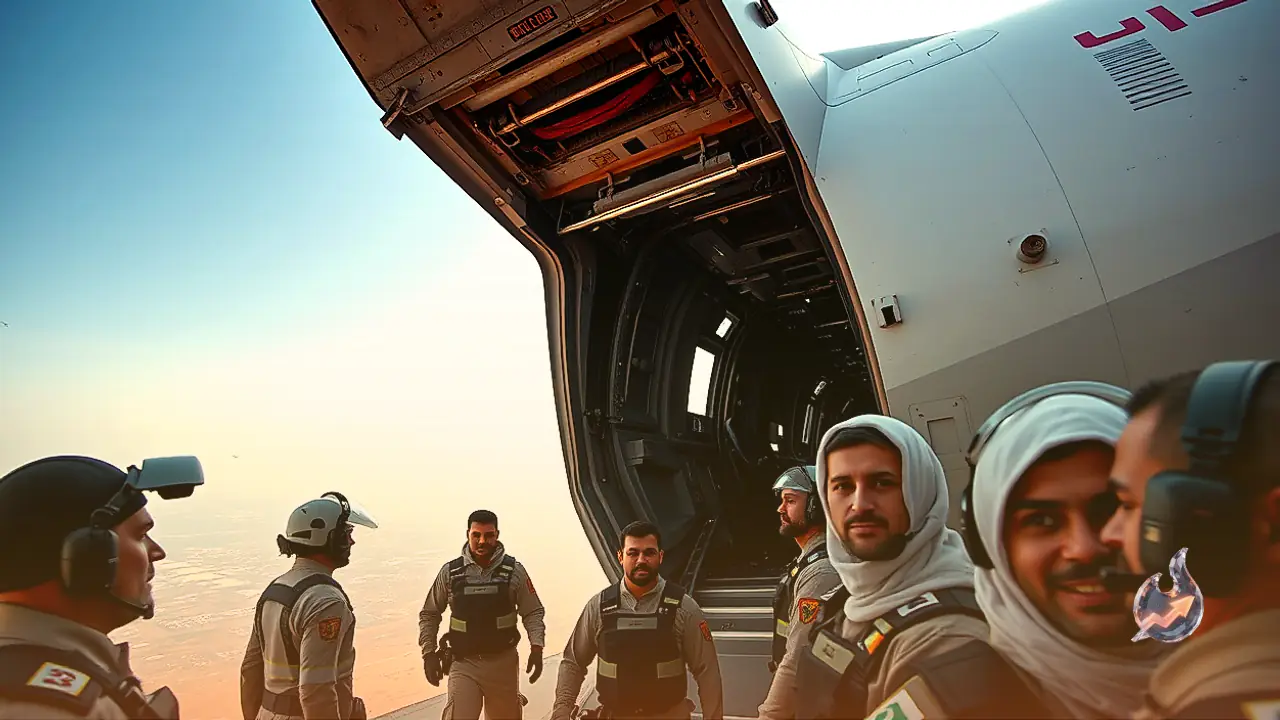
Born in Mumbai on October 3, 1949, JP Dutta entered an environment already steeped in artistic pursuits, with his father OP Dutta established as a recognized writer within the film industry. Yet, the distinct thematic path his career ultimately forged arose from a profound military connection inside his family circle. His younger sibling, Deepak Dutta, served in the Indian Air Force and was deployed right in the thick of operations during the 1971 armed conflict, participating actively in the renowned engagement at Longewala.
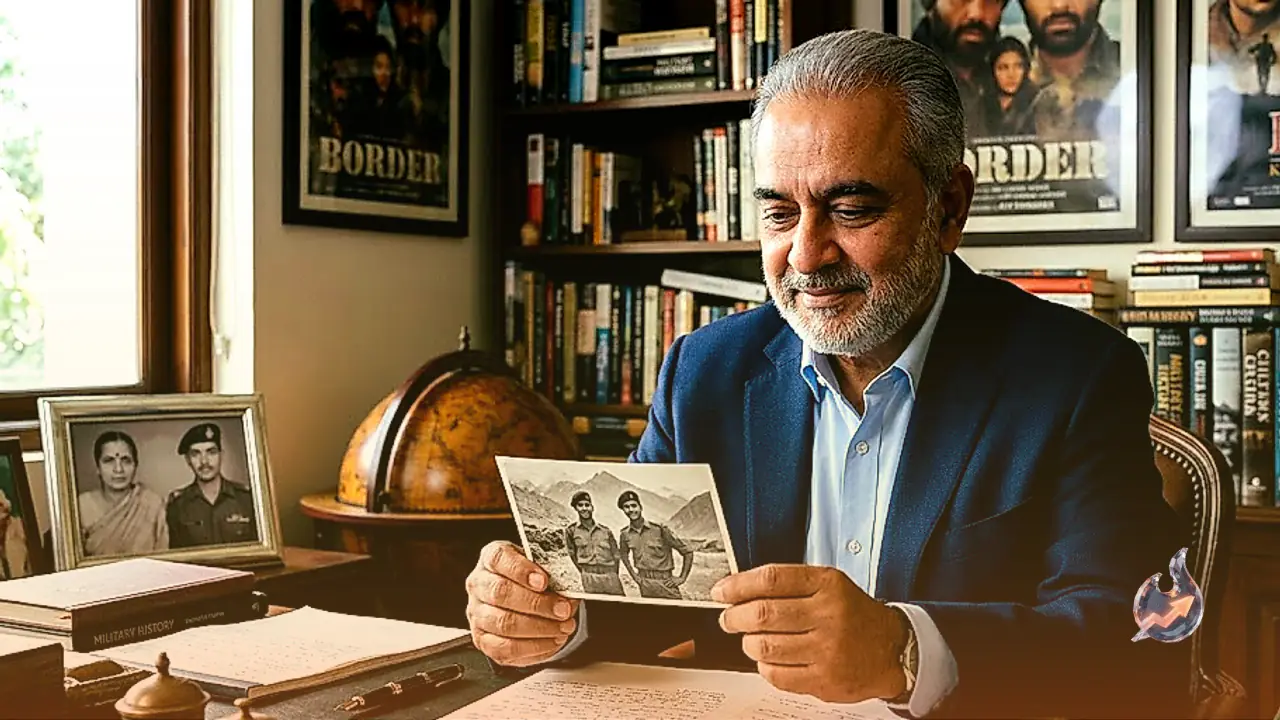
During those tumultuous weeks, the filmmaker was an undergraduate student. Following his sibling's safe arrival back home from the frontline, the vivid firsthand accounts of battlefield courage made an indelible impression on him. He began scribbling these detailed operational accounts inside a rough notebook. Across those anxious days, the family lived in persistent suspense, with their mother sitting constantly beside the radio set waiting for news bulletins regarding her son's well-being. That agonizing domestic vigil and the emotional toll borne by families left behind ultimately became the emotional backbone of his directorial vision.
Recreating Longewala Amid Harsh Desert Conditions
Those raw notes kept from his student days finally materialized onto the silver screen decades later in 1997. Focused directly on the intense 1971 stand at Longewala, the narrative structure was consciously rooted in actual military maneuvers and authentic conditions. Mounting such a vast production required extraordinary logistical endurance from everyone involved.
The crew braved punishing desert conditions, filming through the biting chill of December nights across remote arid terrain. Achieving visual authenticity demanded genuine defense assets, incorporating around 40 battle tanks alongside roughly 1,000 active service personnel who worked shoulder-to-shoulder with a massive production crew. Upon its theatrical arrival, the project achieved monumental commercial triumph and earned national acclaim, securing the prestigious Nargis Dutt Award for Best Feature Film on National Integration, permanently cementing the director's reputation within the war genre.
Expanding Frontline Narratives From Kargil to Nathu La
Energized by that landmark achievement, the director dedicated years to developing narratives within the military space. He chronicled the high-altitude skirmishes of 1999 in 'LOC Kargil', deploying an exceptionally large ensemble cast to portray the sacrifice of frontline officers. Later, he turned his focus toward the lesser-known 1967 military clashes at Nathu La for his feature 'Paltan'. When discussing the genesis of that project, he observed that this specific confrontation had remained largely overlooked by mainstream history, and firsthand accounts supplied by his personal contacts within the military fraternity convinced him to bring the event to light.
Diverse Cinematic Endeavors and Return to Direction
While celebrated primarily for battlefield sagas, his wider filmography encompasses diverse dramatic works exploring social friction, rural power dynamics, and emotional conflicts. Over his active decades, he helmed acclaimed projects such as 'Ghulami', 'Yateem', 'Batwara', 'Hathyar', 'Kshatriya', 'Refugee', and 'Umrao Jaan'. Following the release of 'Umrao Jaan' in 2006, he stepped back from the director's chair for a prolonged sabbatical. He finally returned to helming feature films in 2018 with 'Paltan', though this late-career military installment was unable to match the unparalleled commercial resonance and cultural standing attained by his 1997 masterpiece.