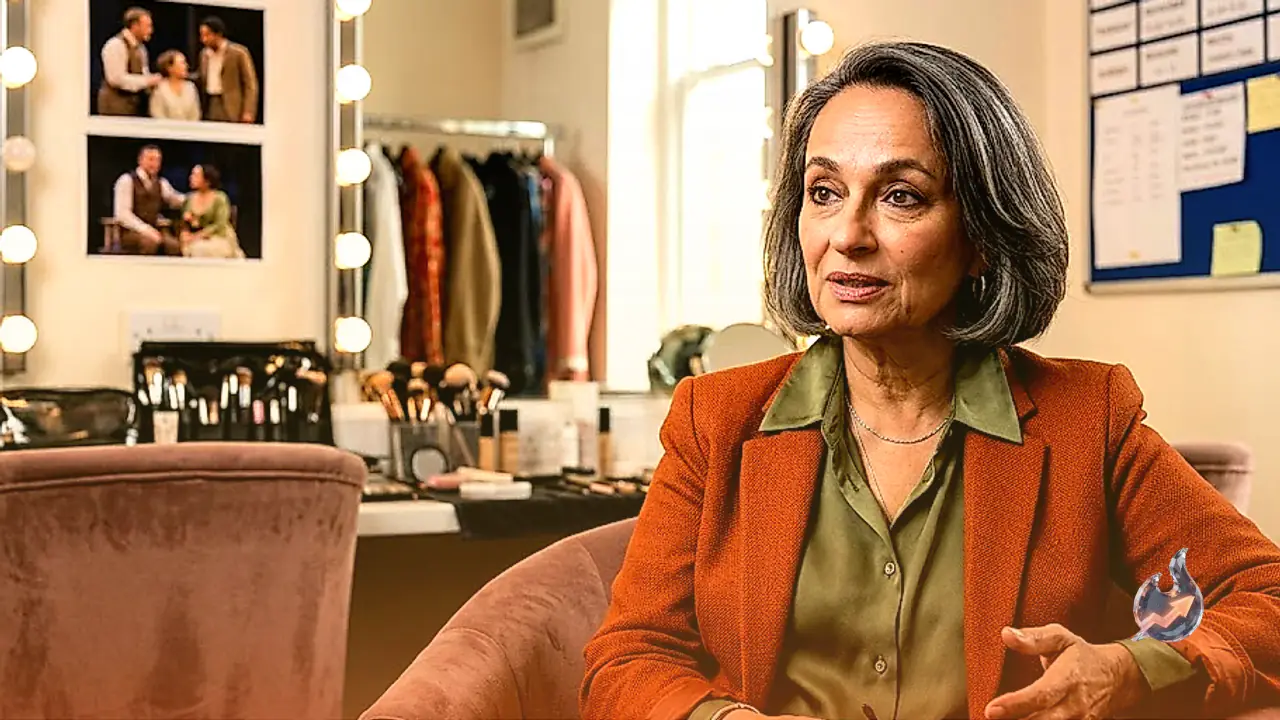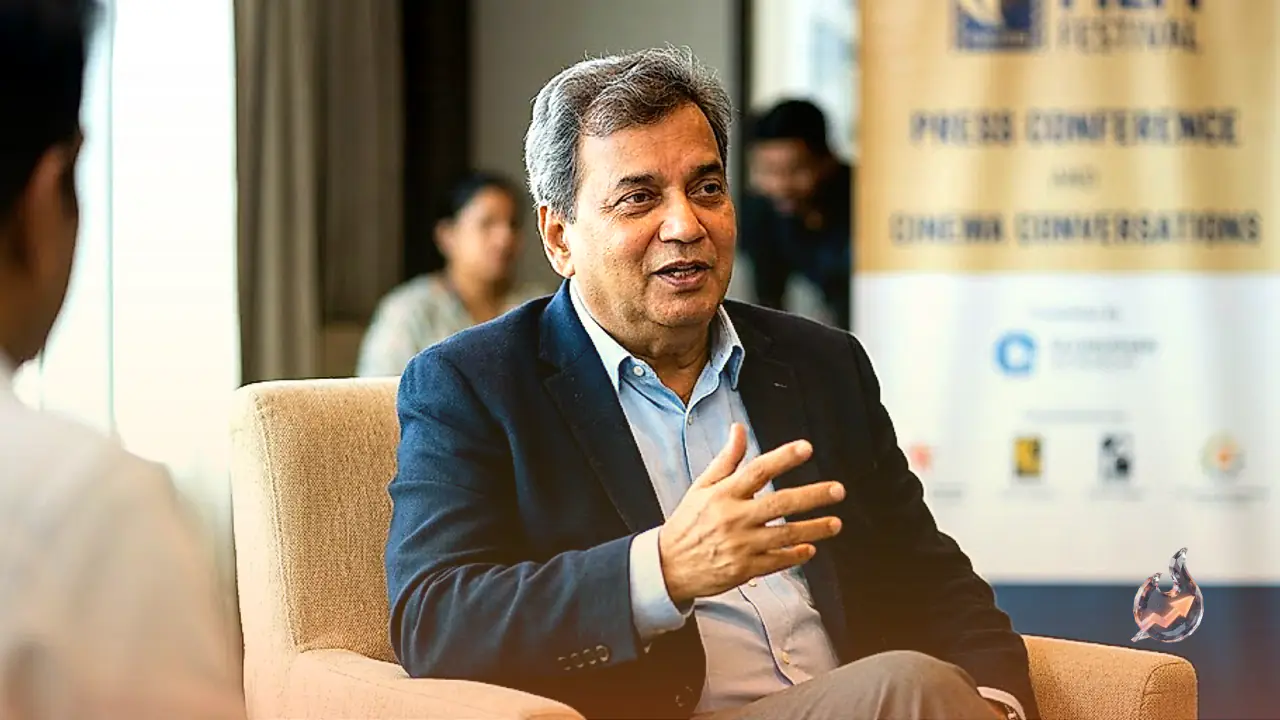

























Director Meghna Gulzar's latest crime thriller Daayra, headlined by Kareena Kapoor Khan and Prithviraj Sukumaran, has officially arrived in theatres with its first batch of box-office numbers recorded on Friday, September 18. Centred on themes of criminal conduct, police accountability, and contrasting philosophies of justice, the feature commenced its theatrical run amid notable anticipation surrounding its prominent lead pairing and acclaimed filmmaker.
Opening Day Box Office Metrics and Audience Turnout
Live tracking data published by industry monitor Sacnilk indicates that Daayra secured approximately Rs 0.30 crore net in India on its debut day, backed by 1,346 scheduled screenings across the country. In terms of theatre occupancy, the primary Hindi release registered roughly 9% attendance, whereas the Malayalam version saw an occupancy rate of about 7%. Since these figures reflect real-time calculations from the initial phase of release, the final consolidated Day 1 collection is subject to change as data from additional shows continues to arrive.
The early financial metrics point to a film that is progressively finding its theatrical footing. The project has been distributed predominantly in Hindi, complemented by a select Malayalam release. Recorded tracking data demonstrates that the vast majority of allocated shows and theatrical revenue stem from the Hindi version, while the Malayalam edition maintains a comparatively smaller footprint across theatres.
Narrative Dynamics and Contrasting Views on Justice
The plot of Daayra focuses on two high-ranking police personnel whose core convictions regarding the administration of justice place them at complete philosophical odds. Kareena Kapoor Khan essays the role of DCP Ajooni Kohli, an investigator deeply anchored in institutional protocol, procedural integrity, and the rule of law. Opposing her perspective is Prithviraj Sukumaran's portrayal of DCP Raman Kumar, a resolute officer driven by the conviction that formal structures frequently fail victims when swift action is required.
The central drama ignites following a grave criminal offence that incites widespread public indignation, leading directly to a contentious police intervention that becomes the subject of a formal probe. Ajooni is assigned to conduct a thorough inquiry into the incident, which directly places Raman's decisive conduct under the microscope of investigative scrutiny.
Rather than functioning merely as an action-led police narrative, the film uses the unfolding inquiry to dissect the friction between statutory legal procedures and public demands for immediate retribution. The script examines institutional frailties alongside the complex dilemmas that surface whenever popular anger confronts the boundaries of constitutional due process.
Critical Reception and Lead Performances
Preliminary critical assessments have largely acknowledged the production's thematic ambition and praised the screen presence of its two principal leads, while offering some reservations about the progression of its core philosophical arguments. Multiple reviews observed that while the narrative raises urgent questions about the justice apparatus, it occasionally holds back from exploring those arguments to their fullest dramatic potential. However, reviewers highlighted Kareena Kapoor Khan's restrained and balanced turn as Ajooni, alongside Prithviraj Sukumaran's commanding presence as Raman, drawing attention to the grounded handling of their mutual conflict.
Trade analyst Taran Adarsh offered an early assessment classifying the film as a well-crafted and intellectually stimulating work, while noting that its sombre tone, dialogue-heavy segments, and nuanced treatment are likely to resonate most strongly with a discerning niche audience. His remarks further indicated that sustained audience word-of-mouth will be essential in determining the long-term trajectory of the film's theatrical run.
Key Casting Highlights and Supporting Ensemble
The shared screen presence of Kareena Kapoor Khan and Prithviraj Sukumaran remains one of the defining elements of the production. While Ajooni represents structural accountability and faith in standard legal channels, Raman personifies an aggressive pushback against systemic inadequacies. This stark contrast fuels the primary tension of the narrative, avoiding simplistic moral binaries by placing their rival interpretations of justice right at the heart of the case.
Complementing the leads is an experienced supporting cast featuring Jitendra Joshi, Biswapati Sarkar, Kshitee Jog, and Kanwaljit Singh. Early reviews have explicitly commended Kshitee Jog for her impactful performance, in which she portrays the grieving mother of the crime victim.