























Crude oil benchmarks are taking a breather following an aggressive rally, with West Texas Intermediate trading down near the $95 per barrel threshold. After touching fresh four-month peaks of $102.07 during the previous Tuesday session, the primary US crude grade is tracking toward its initial weekly loss in three weeks. The moderation in spot values comes as participants weigh prospects of enhanced production out of Saudi Arabia alongside emergent substitute transit alternatives for energy shipments, even as persistent volatility across the Middle East restrains deeper downward momentum.
Alternative Transit Routes and Regional Diplomacy Ease Immediate Supply Fears
Energy logistics received an initial measure of respite following reports indicating that alternate corridors are being mobilized to facilitate Saudi petroleum exports. Concerns had flared sharply after navigation across the Strait of Hormuz ground to an effective halt, creating severe bottlenecks for international seaborne traffic. Once alternative options emerged to move Saudi barrels to destination terminals without relying solely on choked waterways, speculative supply premiums subsided, sending prompt barrel prices lower across key mercantile exchanges.
Simultaneously, diplomatic channels have sought to constrain maritime disruptions along adjacent sea lanes. Beijing has engaged in private discussions with Tehran, urging Iranian authorities to curb actions by Yemen-based Houthi fighters. The militia recently gained ground along critical coastal perimeters abutting the Red Sea and issued ultimatums threatening an outright blockade of the Bab el-Mandeb strait, a crucial bottleneck connecting Asian producers with Western consumers. In public remarks on Thursday, the Chinese foreign ministry stressed its desire to prevent regional conflicts from spilling further across Yemen and the Red Sea corridor. Nevertheless, direct retaliatory strikes between Saudi forces and Houthi combatants continue, keeping the broader standoff between Washington and Tehran in an ambiguous status.
Vessel Encounters and Persistent Geopolitical Fragility
Despite tentative diplomatic dialogue, commercial navigation remains vulnerable to targeted disruptions. The United Kingdom Maritime Trade Operations confirmed that a commercial vessel was targeted approximately 16 nautical miles northeast of the Omani port of Khasab. Incidents of this nature underscore that vital transport corridors flanking the Arabian Peninsula remain hazardous. Because transit security is far from guaranteed, physical crude benchmarks have resisted steep selloffs, retaining support just below the century mark despite promising supply indications.
Understanding West Texas Intermediate in the Global Energy Mix
West Texas Intermediate represents one of the premier pricing markers across international physical and financial commodity trade, sitting alongside North Sea Brent and Middle Eastern Dubai Crude. Within the petroleum industry, WTI carries the designations light and sweet due to its inherent physical and chemical properties. Its light characterization stems from a low specific gravity, whereas sweet denotes an exceptionally modest sulfur profile. These physical traits render WTI especially attractive to commercial refiners, as it requires less complex processing to yield premium transport fuels such as gasoline and low-sulfur diesel.
Extracted primarily across fields in the United States, WTI flows into physical delivery pipelines centering on the terminal network at Cushing, Oklahoma. Widely recognized as the pipeline crossroads of the world, Cushing maintains extensive storage tank farms and bi-directional trunklines feeding regional and export-oriented refining centers. Because of its liquidity and deep paper derivatives market, WTI remains the daily bellwether quoted across global financial media and mercantile bourses.
Economic Catalysts Driving Global Oil Valuations
Fundamentally, crude oil pricing operates on the core dynamics of aggregate supply balanced against broad industrial consumption. Robust global economic expansion drives transport activity, manufacturing output, and consumer energy needs, lifting overall demand and supporting spot barrel valuations. Conversely, periods of macroeconomic stagnation or decelerating industrial activity weigh heavily on fuel intake, exerting downside pressure on energy markets. Outside direct economic growth, violent conflicts, localized political instability, and economic sanctions regularly impede raw extraction and maritime transit, introducing unpredictable supply shocks.
Foreign exchange valuations also act as an influential catalyst for dollar-denominated physical commodities. Because global crude contracts settle predominantly in US Dollars, a weakening greenback reduces the effective purchasing cost for importers holding foreign currencies, which often stimulates physical intake. When the greenback strengthens, imported barrels become substantially costlier in local currency terms, curtailing overseas appetite. Crucially, the production management actions orchestrated by major exporter cartels function as another primary arbiter of prevailing price levels.
Weekly Storage Inventories: Deciphering API and EIA Data
Short-term price discovery in the US energy complex is closely tied to weekly statistical releases published by industry tracking groups and federal regulators. The American Petroleum Institute disseminates its private industry assessment on Tuesday evenings, tracking weekly shifts in domestic storage tanks. The following morning, the Energy Information Administration, an official wing of the US Department of Energy, publishes its comprehensive government inventory tally. Historically, both datasets display strong concordance, printing within 1% of each other approximately 75% of the time, though market participants place greater reliance on EIA releases due to their official governmental status.
A recorded drawdown in commercial inventory stores indicates that domestic refinery intake or export outflows are outpacing upstream production, an outcome that typically boosts WTI futures. Conversely, sustained additions to inventory suggest surplus extraction or slack processing demand, triggering downward corrections in prompt contract values.
OPEC and OPEC Plus Production Allocations
The Organization of the Petroleum Exporting Countries comprises 12 sovereign crude producers that coordinate baseline extraction limits to influence balance within the petroleum landscape. Members convene twice each year to establish formal output quotas. When the cartel determines that global inventories are excessive, it implements quota reductions to tighten physical availability and elevate prices. If members decide to open the taps and lift aggregate supply ceilings, the resulting surplus generally exerts a downward pull on crude rates.
This framework has expanded into the wider OPEC+ alliance, which incorporates ten non-member producing states to coordinate production strategy on a broader scale. Russia stands as the most consequential partner within this non-OPEC contingent. Together, the expanded coalition oversees a massive share of worldwide proven reserves, making their output directives a critical determinant of medium-term energy trends.
Cross-Asset Developments Across FX and Precious Metals
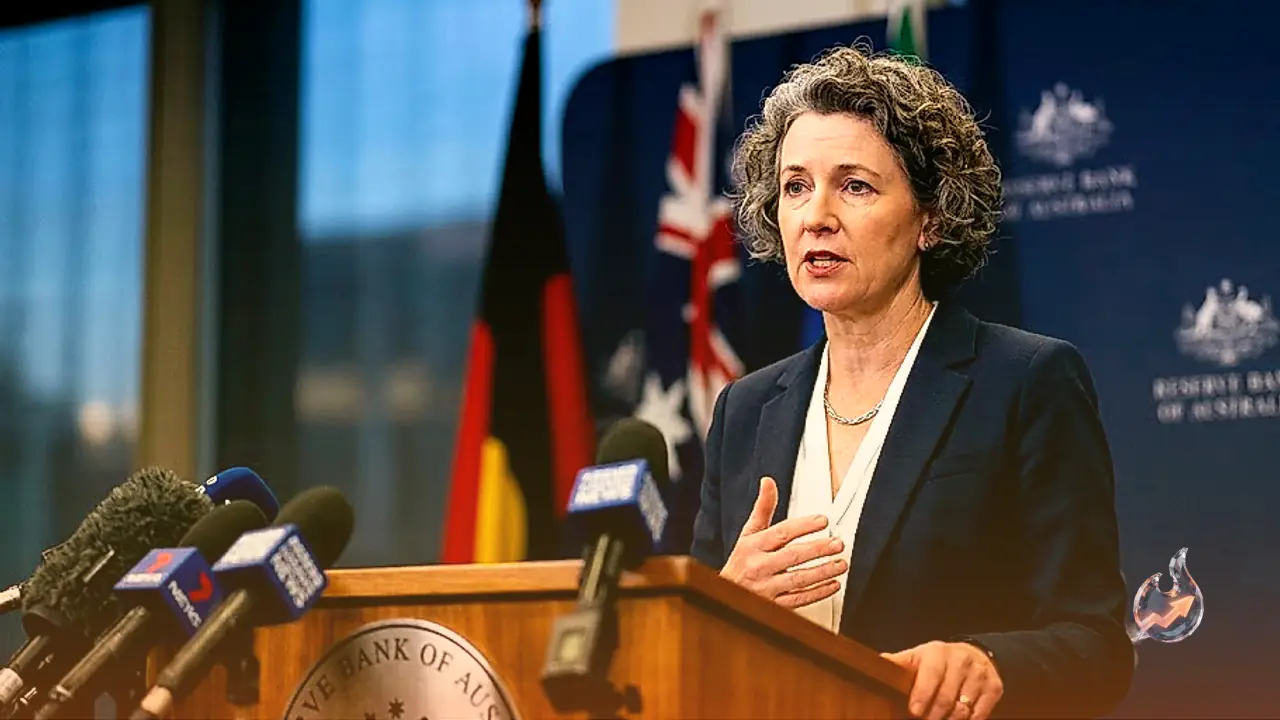
Shifting economic expectations have driven notable cross-market adjustments outside the energy sector. In foreign exchange, the Australian Dollar maintained positive momentum against the greenback, holding above the 0.7100 mark through the Friday Asian window. Australian currency valuations drew support from hawkish policy commentary delivered by Reserve Bank of Australia Governor Bullock, who reinforced expectations for possible interest rate increases, while receding US bond yields constrained greenback buyers. Nevertheless, the Federal Reserve's restrictive stance and regional security flashpoints kept broader USD losses contained.
Concurrently, USD/JPY extended its upward trajectory into the European session, advancing toward two-week peaks around the 158.00 level. The Japanese currency softened despite expectations that the Bank of Japan would raise its benchmark borrowing rate to 1.25%, accompanied by hawkish commentary from Governor Ueda. Downward pressure accelerated after two surprise dissenting votes emerged against the proposed rate hike. For over a decade, Japan's ultra-loose interest rates served as an inexpensive engine financing trillions of dollars in global yield-seeking investments, but approaching policy normalization indicates this era of ultra-cheap yen funding is navigating a structural transition.
Bullion Momentum and Crypto Asset Adjustments
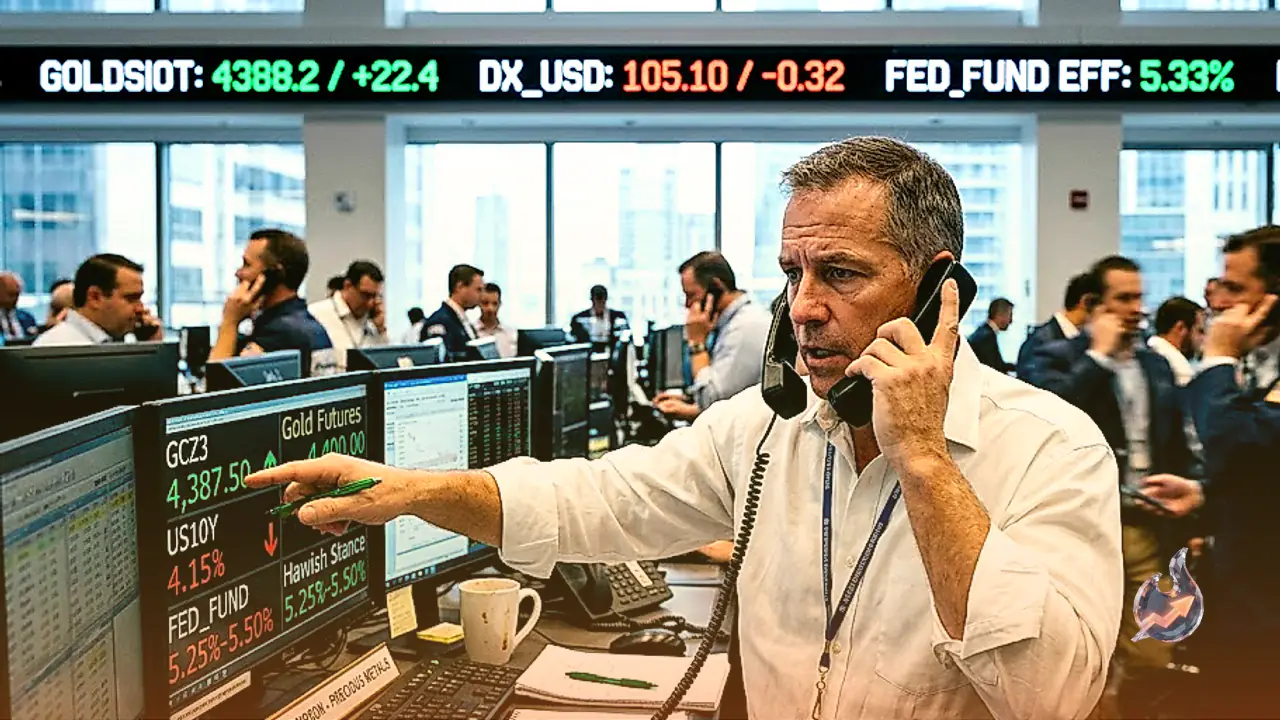
Precious metals experienced renewed buying interest, with gold spot prices advancing for a second straight session and printing fresh weekly milestones through the European morning. Buyers are closely watching for sustained consolidation above the $4,400 per ounce boundary before initiating further upside allocations, with downward-drifting US Treasury yields capping dollar strength ahead of commentary from central bank officials and secondary economic releases.
In digital token markets, Pi Network traded slightly higher on Friday, halting a three-day slide that wiped out 15% of its valuation. The project's Core Team disclosed the removal of 417,000 duplicate registrations alongside rollout upgrades targeting Know Your Customer compliance and mainnet data migration. Despite this operational cleanup, technical charts for the PI token remain decisively subdued, with traders continuing to monitor its historical trough near $0.0704.