













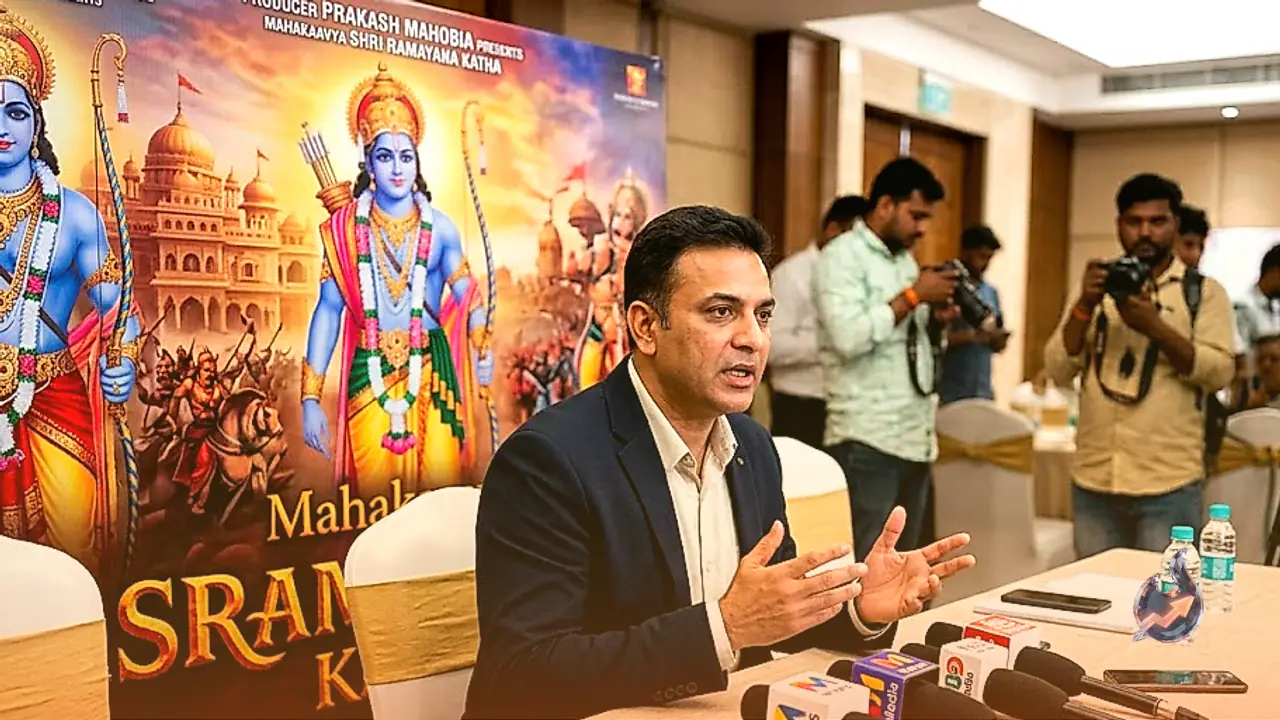

The cinematic journey of the mythological drama Mahakaavya Shri Ramayana Katha encountered steep commercial challenges upon arriving in theatres, drawing far fewer ticket buyers than anticipated. While industry watchers initially focused on the low collections, the team behind the venture has presented a different perspective on what went wrong during its distribution window. According to the makers, the subdued audience turnout was heavily shaped by coordinated hostility and adverse narrative-building rather than just viewer indifference, prompting them to initiate fresh plans for another theatrical outing.
Allegations of Structured Negative Campaigns Behind Theatre Footfall
Speaking about the experience of bringing the mythological tale to cinemas, producer Prakash Mahobia stated that the project was systematically denied fair access to filmgoers. He pointed to an aggressive campaign of negative public relations that began unfolding around the release, claiming that prospective audiences were discouraged before they could form an objective view. Mahobia maintained that viewers who actually bought tickets and watched the presentation inside auditoriums responded favorably to the storytelling.
According to the producer, misleading narratives and negative talking points were actively circulated among digital creators and social media influencers. He argued that specific messaging urged audiences to stay away from ticket counters and distorted details surrounding the project. Even so, Mahobia stopped short of identifying any specific individual or corporate entity as the architect behind this alleged push.
Context of Upcoming High-Profile Mythological Productions
The controversy surfaces at a time when cinema audiences are keenly awaiting Nitesh Tiwari and Namit Malhotra's highly anticipated magnum opus Ramayana. In contrast, this independent production faced headwinds from the day it arrived in theatres on September 25. When questioned whether his accusations pointed directly toward the team backing Nitesh Tiwari's upcoming project, Mahobia declined to level explicit allegations.
Instead, the producer remarked that he had received information suggesting that the presence of an upcoming tentpole release in the same mythological space may have provided the backdrop for such hostile publicity maneuvers. Without lodging a formal accusation against any specific party, he maintained that the surrounding environment severely undercut his film's distribution prospects.
Cast Choices, Visual Effects Scrutiny, and Promotional Artwork Backlash
Directed by Abhishek Singh, the feature made its debut on September 25, 2026, bringing together a cast led by Anjali Arora, Dev Sharma, and Rajnesh Duggal. Pre-release chatter had already generated intense debate across online platforms, particularly concerning the casting of Anjali Arora in the role of Sita. Additionally, early previews of the film's visual effects and VFX work were subjected to critical scrutiny across social media spaces.
Following the theatrical rollout, an online controversy erupted over a promotional poster showing a member of the Vanar Sena wearing modern spectacles, quickly inspiring a wave of memes and mockery. The production unit later clarified that the widely circulated image was not an excerpt taken from the actual film footage, but rather an independent piece of promotional artwork. Nevertheless, the viral moment added fuel to the existing wave of skepticism surrounding the title.
Commercial Returns and Strategy for an Unaltered Re-Release
Data recorded by industry tracker Sacnilk showed that Mahakaavya Shri Ramayana Katha recorded an all-India net collection of approximately 40 lakh rupees over its run across roughly 1,060 screenings. On the international front, the worldwide gross total reached around 46 lakh rupees, reflecting the severe limitations placed on its box office performance. In spite of these modest numbers, the creative team believes the full picture has not yet been seen.
Prakash Mahobia highlighted that encouraging responses were received from audiences in regions such as Madhya Pradesh, Chhattisgarh, and Uttar Pradesh. Encouraged by this localized feedback, the producers have finalized plans to re-release the film in cinemas. The team confirmed that the movie will return to theatres in its original cut without undergoing any additional filming or reshoots, giving filmgoers another opportunity to evaluate the narrative firsthand.