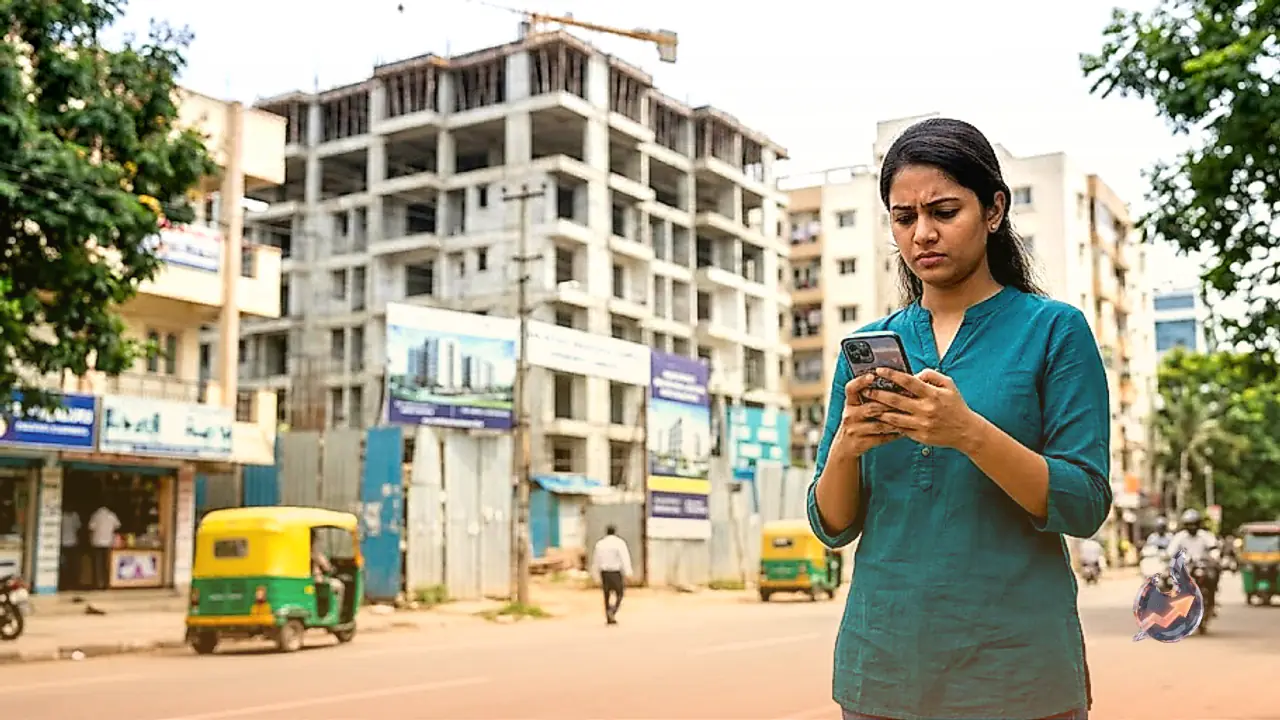





















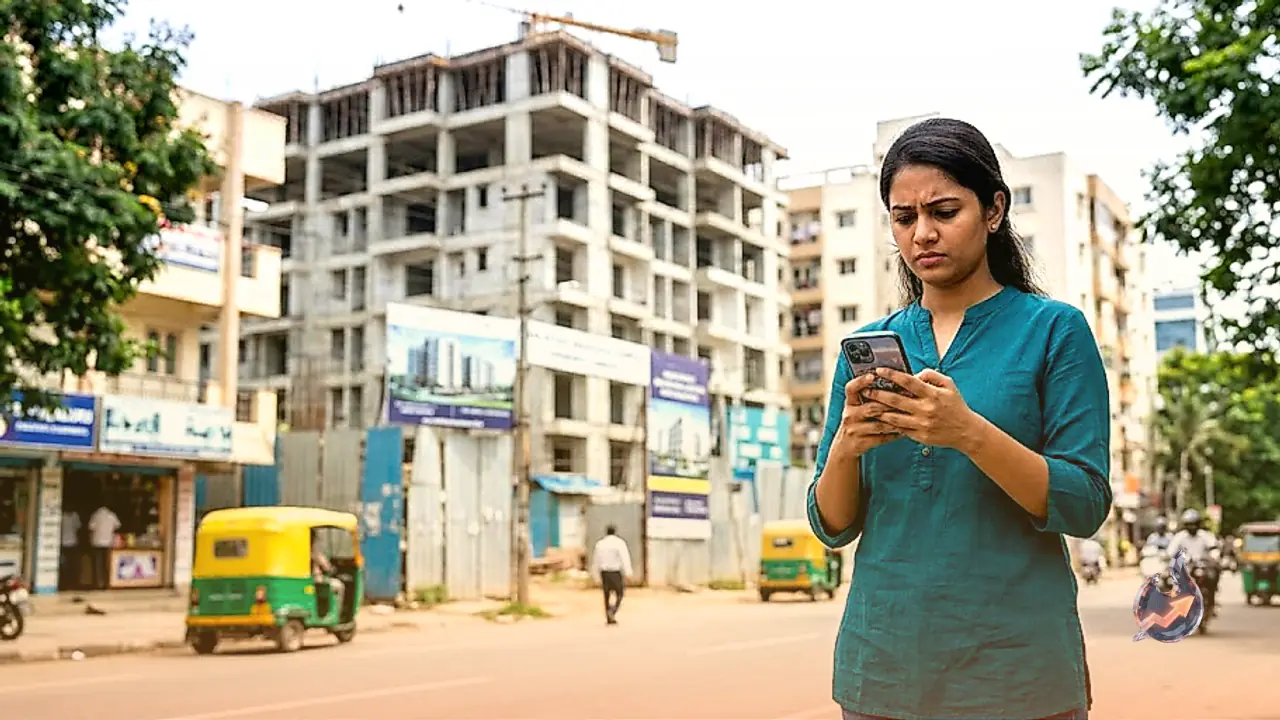

Property prices across major Indian cities are scaling unprecedented heights, best exemplified by the current real estate scenario in Bengaluru. A twenty-five-year-old professional recently took to social media to share his financial predicament, revealing that despite earning one lakh eighty thousand rupees every month, he finds himself struggling to purchase a standard two-BHK apartment. The young earner stated that he diligently invests seventy-five thousand rupees monthly through mutual fund SIPs, yet the capital required to secure a decent home remains well beyond his reach. This viral post has once again triggered a widespread discussion on the affordability crisis plaguing urban residential markets.
The Math of Living Expenses and Savings
Detailing his monthly expenditures, the individual explained that he lives alone in a paying guest accommodation, shelling out thirty-one thousand rupees solely for rent. He maintains strict discipline regarding his personal finances to avoid any unnecessary expenditure, channeling whatever remains after essential bills directly into savings. His primary objective was to acquire a two-BHK apartment in Indiranagar, carrying a hefty price tag of one crore thirty lakh rupees. However, his current salary and accumulated savings fall terribly short of meeting this steep financial requirement.
Middle-Class Realities and Long-Term Goals
Coming from a middle-class background, the young professional emphasized that he remains highly conscious about managing money efficiently. To achieve his housing goal, he has decided to postpone marriage until the age of thirty while exploring alternative wealth-building strategies. He intends to spend the next five years aggressively strengthening his investment portfolio and eventually securing a home loan to bridge the financial gap required to buy his own property.
Social Media Reactions and Market Uncertainty
As the post gained widespread traction online, several users weighed in with diverse perspectives on the urban housing crisis. One internet user suggested that demand is cooling down with numerous properties lying vacant, predicting that artificially inflated prices are bound to crash soon. In response, the author questioned whether housing rates are genuinely set to drop or if purchasing now remains the safer route, noting that navigating the current real estate climate feels like gambling. Another participant in the thread argued that property values in India rarely decline unless triggered by major macroeconomic shifts, adding that widespread corporate layoffs would be required to exert downward pressure on housing valuations.
The Rental Crunch and Alternative Solutions
Discussions among social media users highlighted a glaring paradox in Bengaluru, where finished inventory remains abundant, yet prices refuse to soften. To counter this, a commenter advised exploring resale properties aged five to six years rather than investing in brand-new constructions, noting that older units offer substantially lower price points. Meanwhile, soaring rental costs across Bengaluru continue to add immense pressure to the monthly budgets of salaried professionals.