























A high-stakes legal dispute has emerged surrounding the popular alcoholic beverage Old Monk, capturing significant attention from consumers and industry observers alike. The controversy centers on regulatory actions taken within the state of Maharashtra, where restrictions were placed on the sale of the brand, prompting the manufacturing company to approach the Bombay High Court for legal redress. During recent court proceedings, representatives for the Food Safety and Standards Authority of India presented strong arguments challenging the fundamental nature of the product. The regulatory body maintained that simply blending external flavoring agents into neutral spirits does not legitimately transform the resulting mixture into authentic rum.
Proposed Packaging Changes Fail to Satisfy Regulators
The conflict originated when authorities flagged the product over concerns regarding its composition and labeling standards. According to the regulatory stance, the beverage incorporated artificial flavoring without providing sufficiently clear indications on the product packaging. Facing initial setbacks in securing immediate relief from the bench, the manufacturing enterprise offered to modify its labeling approach. The firm submitted a revised packaging proposal designed to prominently highlight added ingredients while omitting certain previous claims from the bottle. Despite these concessions, the regulatory authority objected to the updated design, asserting that altering a label does not rectify the underlying classification and identity issues associated with the beverage.
Financial Hardship Claims and Upcoming Court Dates
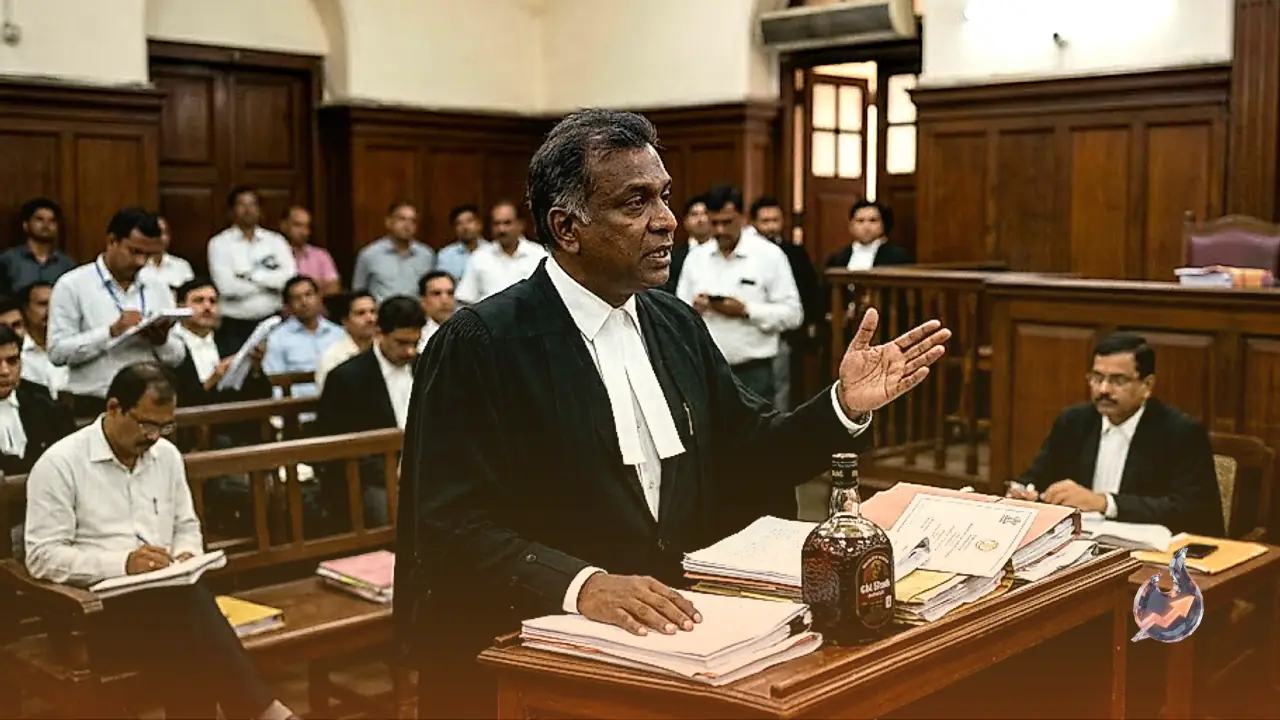
Representing the corporate entity, senior legal counsel argued before the court that the production process utilizes rectified and neutral spirits derived from agricultural sources in full compliance with established standards. Emphasizing that the ongoing sales prohibition was inflicting massive financial losses on the business, the counsel requested interim protection from the court. The presiding bench adopted a cautious stance, questioning the wisdom of permitting existing inventory to be marketed prior to a final judicial determination on the matter. Consequently, the court declined to grant immediate interim relief, scheduling the next phase of the hearing for September 8 to thoroughly examine the complex technical and regulatory questions involved.