

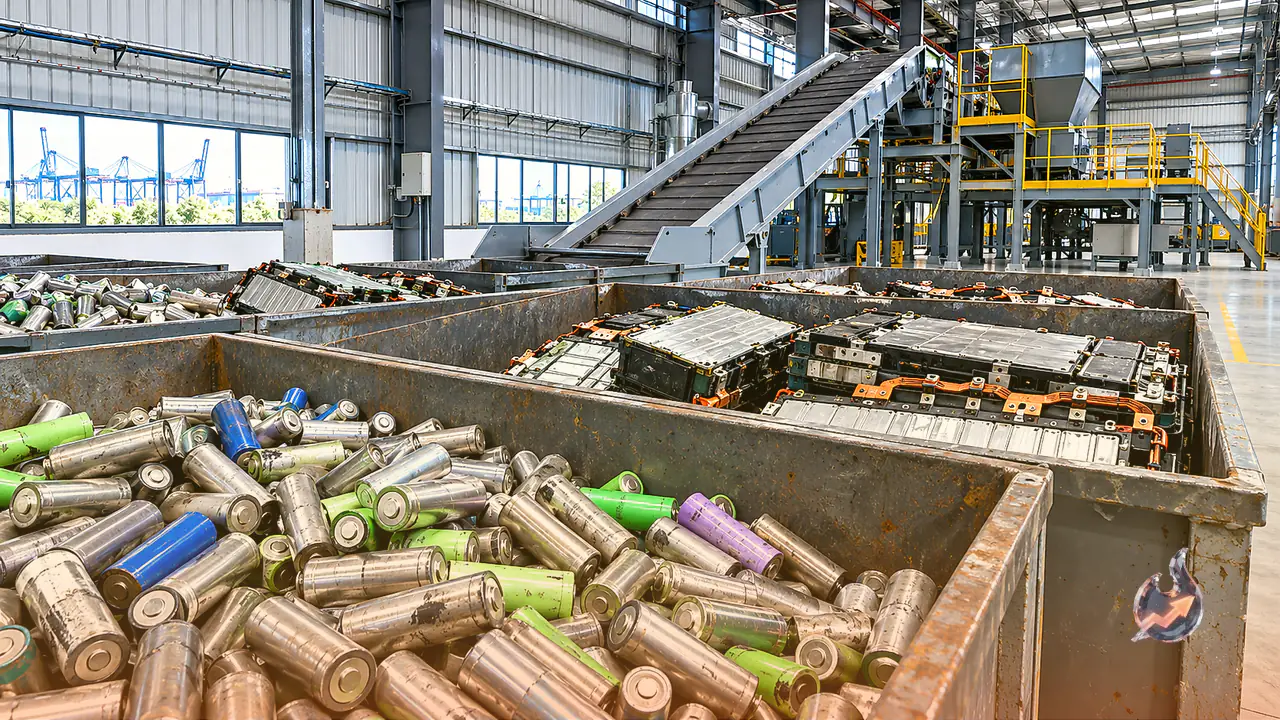





















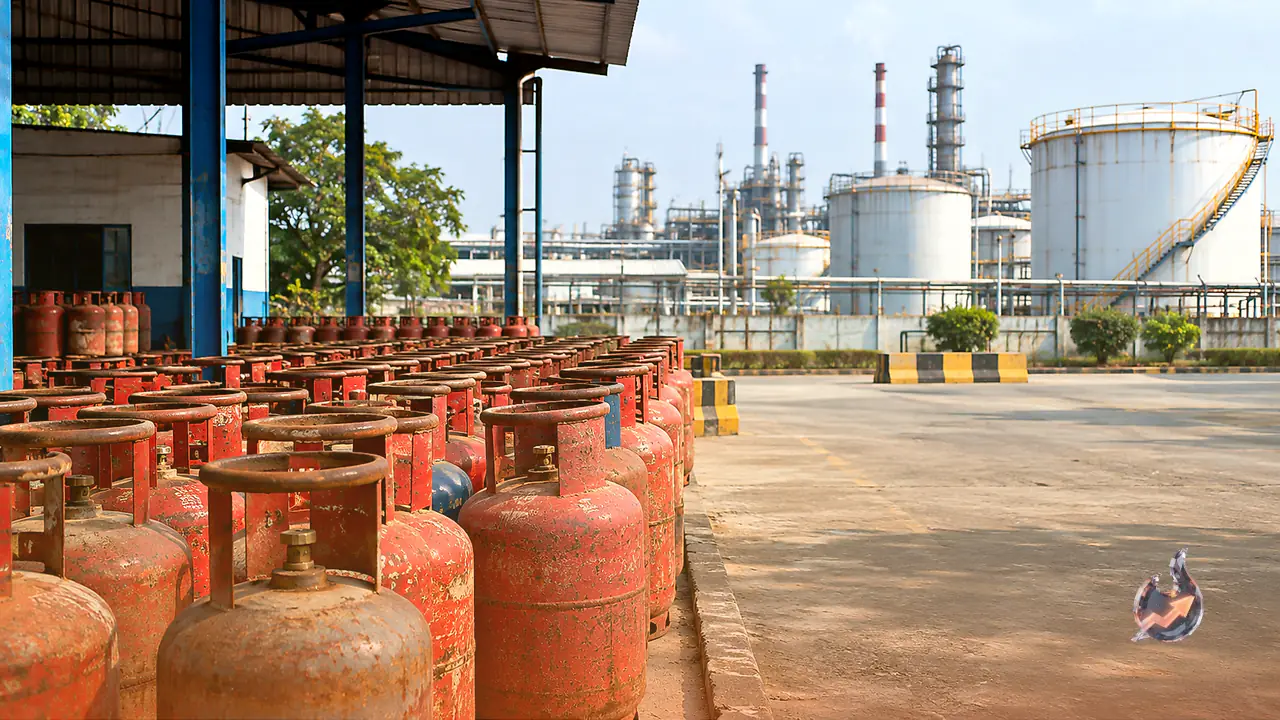

A persistent softening of crude oil prices across international commodity exchanges has prompted domestic consumers across India to wonder whether the downward trend might soon translate into cheaper fuel at home. Over the past two trading sessions, international benchmark Brent crude experienced noticeable downward pressure, trading within a narrow range of 90 to 92 dollars per barrel. With fuel expenses forming a significant portion of household expenditure, widespread questions have surfaced regarding whether state energy distributors will pass on these cost reductions to retail consumers of liquefied petroleum gas along with petrol and diesel. If global crude and hydrocarbon prices sustain their low trajectory over the coming weeks, that downward momentum could theoretically filter down into domestic cooking gas pricing.
However, cheaper crude oil does not automatically trigger an immediate reduction in the price of household LPG cylinders. The formula used to calculate retail cooking gas prices in India involves a far broader matrix than simply following crude oil tickers. Pricing committees must evaluate international liquefied petroleum gas benchmark indices, the prevailing foreign exchange rate between the Indian rupee and the US dollar, ocean freight rates, insurance expenses, and inland pipeline or road distribution costs. Furthermore, policy decisions regarding retail subsidies and monthly pricing reviews by state-run oil marketing enterprises heavily dictate the final price paid at the doorstep.
The Direct and Indirect Link Between Crude Oil and LPG Pricing
To understand the mechanics of cooking gas costs, one must note that Indian retail LPG prices are not tied directly to Brent crude contracts. India relies on overseas suppliers for more than 55 percent of its total domestic LPG consumption. Consequently, domestic retail prices are benchmarked primarily against the Saudi Contract Price, issued monthly by Saudi Aramco. The Saudi Contract Price serves as the foundational benchmark for liquefied petroleum gas contracts across the Asian continent, setting the base import cost for Indian energy refiners.
Chemically and operationally, commercial LPG is a balanced mixture of propane and butane. Both gases are generated either as by-products during the fractional distillation of crude oil in petroleum refineries or during the extraction and processing of natural gas streams. Because of this refining origin, fluctuations in crude oil and natural gas markets inevitably affect the global supply and manufacturing costs of both propane and butane. Nevertheless, the pass-through effect to end-consumer LPG prices is rarely instantaneous. Shifts in crude values only meaningfully alter retail gas rates when they translate into sustained adjustments within Saudi Aramco's official monthly contract filings.
Foreign Exchange Pressures and Import Logistics
Because India procures the majority of its cooking gas from foreign suppliers, the exchange rate of the Indian rupee against the US dollar plays a critical role in the final landed bill. Since all international energy contracts are negotiated and settled in US dollars, currency depreciation can swiftly cancel out reductions in global gas prices. For instance, even if the dollar-denominated price of LPG remains unchanged or slightly softens overseas, a weakening Indian rupee forces domestic oil marketing firms to disburse significantly more rupees to purchase the exact same volume of fuel.
Beyond the core procurement price, the logistical journey of bringing liquefied gas to Indian homes carries heavy transportation, maritime insurance, port handling, and inland transit costs. Whenever geopolitical conflicts, regional naval hostilities, or shipping bottlenecks arise along vital sea routes, commercial shipping operators face elevated freight rates and surge pricing for maritime war-risk insurance. These ancillary logistics charges directly inflate the ultimate landing cost of imported fuel, muting the beneficial impact of any temporary slump in crude oil benchmarks.
Monthly Pricing Schedules and Government Intervention
In India, retail distribution and price revisions for LPG cylinders are managed by state-run oil marketing giants, including Indian Oil, Bharat Petroleum, and Hindustan Petroleum. These public sector undertakings routinely adjust LPG cylinder prices on the first day of every calendar month. While these monthly adjustments apply to both domestic 14.2 kg residential cylinders and 19 kg commercial cylinders, residential rates are treated as sensitive consumer commodities rather than purely market-driven goods.
Because domestic cooking gas directly touches everyday household budgets and broader retail inflation, the government frequently shields residential consumers from extreme volatility in world markets. When global LPG prices spike, state oil marketing companies frequently absorb part of the input cost shock rather than transferring the full financial burden to consumers. In addition, eligible low-income households enrolled under the Pradhan Mantri Ujjwala Yojana receive targeted direct benefit transfer subsidies per refill to cushion against rising fuel expenses. In contrast, 19 kg commercial cylinders used by eateries and industrial operators carry minimal administrative shielding and reflect international price movements far more rapidly.
Market Trends and Outlook for Consumer Relief
Recent market data highlights the ongoing volatility governing international petroleum prices. On 10 November, international Brent crude futures dropped by 1.2 percent to settle at 91.49 dollars per barrel, touching its lowest price mark recorded since August. However, that downward move was partially reversed on 11 November when crude prices rebounded toward the 92 dollars per barrel threshold. Such choppy price action underscores that crude markets remain susceptible to sudden swings.
Given this continuous volatility, analysts caution that declaring an imminent price cut for domestic LPG based solely on temporary crude declines is premature. A durable drop in retail cooking gas rates requires a synchronized retreat in the Saudi Aramco benchmark price, a stable or strengthening rupee against the greenback, and consistently lower international shipping overheads. If lower international benchmark costs persist over multiple evaluation cycles without currency slippage, domestic oil distributors will see their procurement expenses decrease, creating tangible headroom for price relief or sustained rate stability in the months ahead.