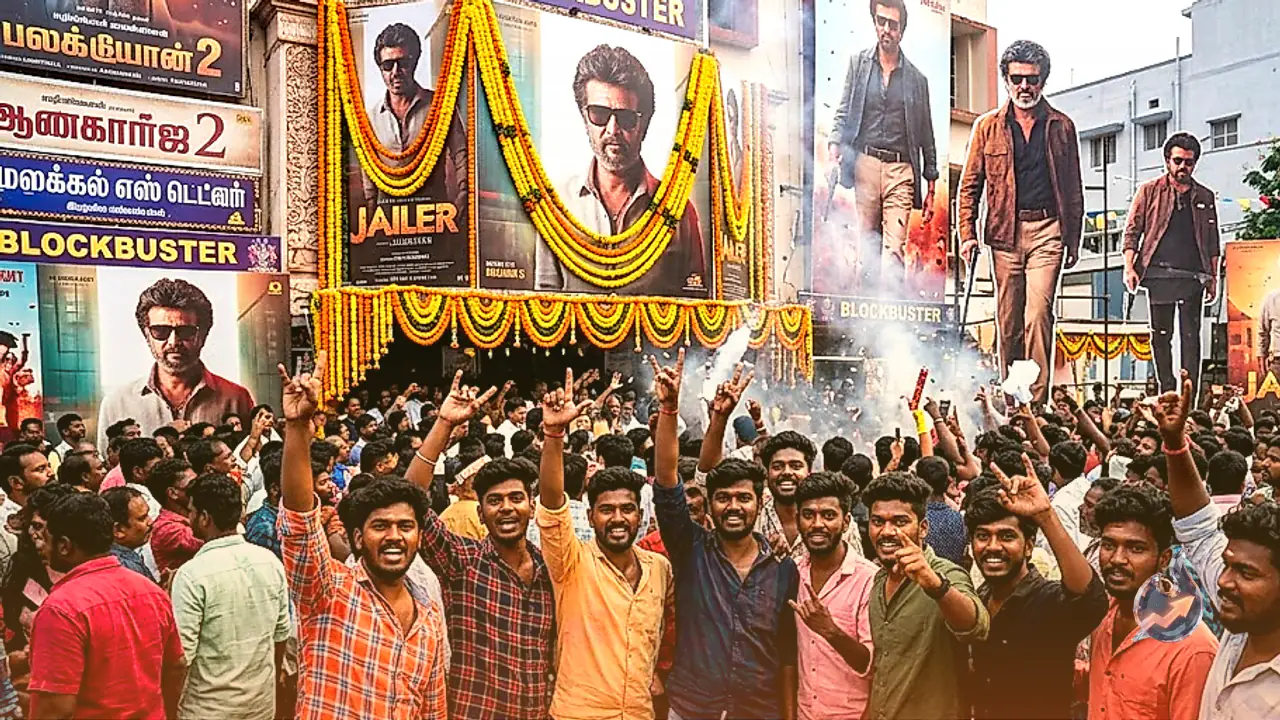




















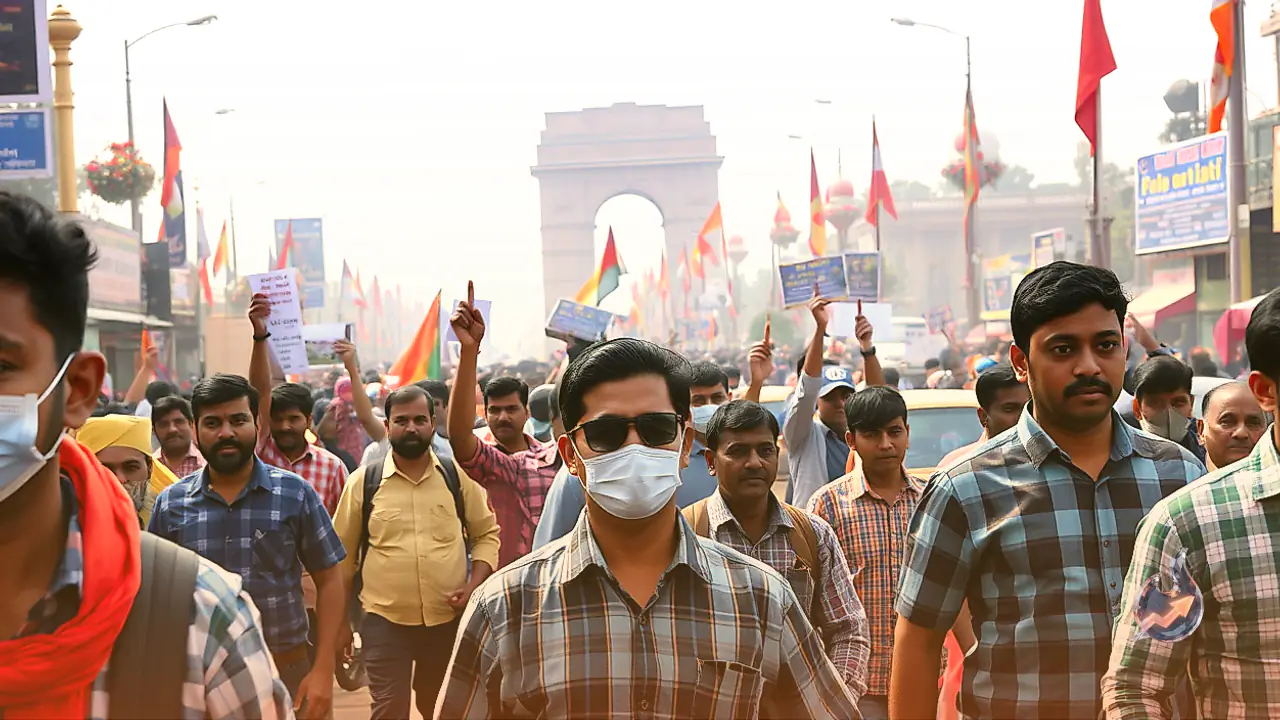

Sustained unrest and security blockades across more than 700 Delhi markets have brought festive consumer shopping to a virtual standstill, impacting businesses and daily wage earners alike.
Commercial activities across India's capital have suffered an immense setback following days of public demonstrations, road blockades, and transport restrictions right at the beginning of the crucial festive shopping period. The Chamber of Trade and Industry (CTI), representing traders and entrepreneurs across the capital and the wider country, revealed that local businesses have already absorbed a staggering financial hit of approximately Rs 3,000 crore. The traders' body further cautioned that if such unrest continues uninterrupted into Diwali, cumulative losses across the city's trade network could readily cross the Rs 10,000 crore threshold.
Security Restrictions and Shutdowns Disrupt Core Commercial Zones
Detailing the anatomy of the financial loss, CTI Chairman Brijesh Goyal explained that the downturn accumulated over two major spells of disruption. The initial demonstrations on October 10 paralyzed business activity across key trading zones, wiping out trade worth nearly Rs 2,000 crore in a single stroke. This was compounded between October 13 and 16, when extensive security barricades, police blockades in Central Delhi, metro station closures, and the shutting down of Central Park created an additional loss of Rs 1,000 crore. Goyal pointed out that conditions on October 10 mirrored a citywide lockdown. By October 16, as many as 10,000 police personnel were stationed on the streets, Central Park was placed under lockdown, and over 150 individuals were taken into custody to maintain order.
Retail Sector Endures the Heaviest Blow with Rs 1,800 Crore Lost
Delhi's massive retail footprint bore the brunt of the disruptions, accounting for nearly 60 percent of the overall loss at around Rs 1,800 crore. More than 700 commercial markets spread across the national capital were severely affected by falling footfalls and transport hurdles. Core hubs including Connaught Place, Chandni Chowk, Sadar Bazar, Kashmiri Gate, Chawri Bazar, Bhagirath Palace, Gandhi Nagar, Naya Bazar, Khari Baoli, Karawal Nagar, Karol Bagh, and Lajpat Rai Market operated in near isolation. Navratri and pre-Diwali periods normally represent peak consumer spending, but shoppers stayed away due to safety concerns and widespread traffic congestion.
Supply Lines Choked as Wholesale Outlets Lose Rs 600 Crore
The city's vital wholesale trade suffered an estimated loss of Rs 600 crore, making up around 20 percent of the total trade deficit. Delhi serves as the primary distribution hub for northern India, drawing merchants from across state boundaries during the festive window. An estimated 3 to 4 lakh wholesale buyers from nearby manufacturing and consumer centers like Sonipat, Panipat, Gurugram, Faridabad, Noida, Ghaziabad, and various parts of Rajasthan were entirely unable to visit the capital. The breakdown in road connectivity halted heavy vehicle movement, crippling supply chains and leaving huge stockpiles of festive merchandise stranded inside commercial warehouses.
Hospitality and Dining Face 80 Percent Booking Cancellations
Service establishments and the hospitality sector suffered a direct hit of Rs 300 crore, accounting for roughly 10 percent of the aggregate damage. Across hotels, dining establishments, cinemas, beauty salons, grooming parlors, fitness centers, and social clubs, cancellations surged to nearly 80 percent. In prominent culinary and retail clusters such as Connaught Place and Khan Market, evening dining bookings collapsed to zero during the peak disruption days. Apprehension over security and commuting difficulties also deterred tourists, particularly foreign travelers, from visiting or staying in Central Delhi.
Commuting Gridlocks Cost Transport and Logistics Rs 180 Crore
Severe congestion on key arterial roads inflicted a Rs 180 crore loss on the transport, taxi, and tourism segments, comprising about 6 percent of overall damages. Access to more than 20 metro stations was shut down, while traffic jams stretched between 10 and 12 kilometers across multiple thoroughfares. Diverted bus services and barricaded intersections wiped out the daily earnings of auto, cab, and e-rickshaw operators. On the logistics front, more than 5,000 commercial trucks and light delivery tempos remained marooned in sprawling snarls, halting intra-city and inter-city distribution.
Over 50,000 Daily Wage Laborers Stranded Without Income
The human cost of the trade freeze fell disproportionately on the unorganized sector, which recorded losses of nearly Rs 120 crore, representing about 4 percent of the total. Loading and unloading laborers, specialized artisans, retail sales assistants, street vendors, and pushcart operators saw their daily wages vanish overnight. In major apparel and wholesale centers such as Gandhi Nagar and Sadar Bazar, more than 50,000 daily wage earners were left completely without work. For these workers, the period spanning Navratri, Ramlila, and Diwali represents the primary earning window of the entire calendar year, making the sudden loss of livelihoods particularly devastating.
Trade Body Urges Government to Designate Protest Zones and Offer Relief
Emphasizing that the festive quarter generates the bulk of annual trading margins, CTI has submitted a series of formal requests to administrative authorities
- Ban on Central Demonstrations: Impose an immediate and complete prohibition on all protests and sit-ins within Central Delhi, New Delhi, and the Lutyens Zone until the conclusion of Diwali.
- Permanent Protest Venues: Create designated, permanent demonstration grounds in peripheral zones such as Burari, Rohini, or Dwarka to keep central arterial markets functional.
- Financial Relief Package: Extend structured financial compensation to affected traders to offset the Rs 3,000 crore October losses, including rebates on electricity bills, water charges, and GST relief.
- Protective Policing: Ensure administrative forces do not coerce shopkeepers into closing down commercial establishments, and instead deploy personnel to safeguard normal retail functioning.