






















A growing number of individuals are moving away from traditional salaried employment to build their own rural enterprises, with agriculture and allied sectors emerging as prominent choices. Livestock rearing, including poultry farming, goat rearing, and cattle management, has seen steady interest from young entrepreneurs seeking viable self-employment. Among these options, dairy farming stands out as an attractive commercial path. However, aspiring dairy farmers often face significant confusion regarding which cattle breeds deliver steady profitability and what core operational assets are required. In practice, long-term operational success depends almost entirely on choosing the right cattle breed and deciding how many animals to start with.
Balancing Cattle Numbers and Breed Selection
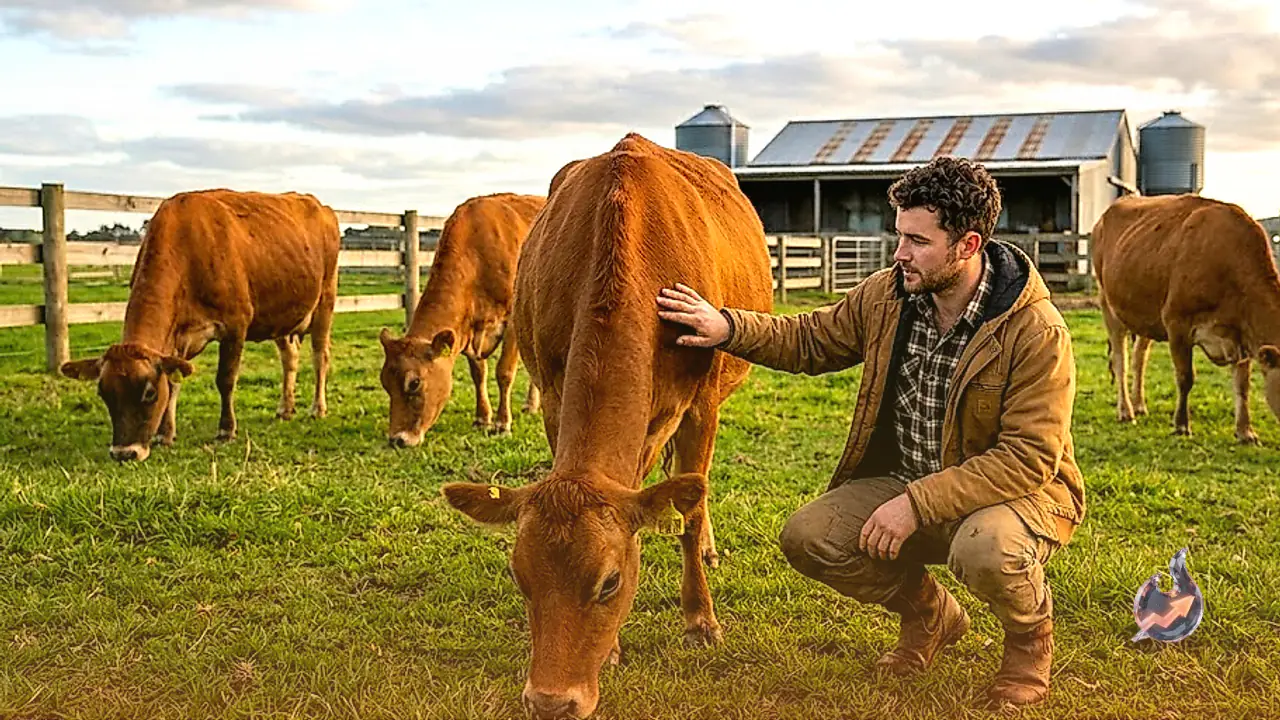
Sharing practical insights into the industry, farmer Anil Sharma notes that cattle farming can be highly lucrative, but only when launched with careful discipline. A frequent pitfall occurs when beginners, driven by the lure of high milk yields, purchase random cow breeds without verifying their suitability. Additionally, starting with too many cows without prior operational experience often leads to management failure, causing individuals to lose faith in the entire dairy business. While recent market interest has seen intense enthusiasm around native breeds like Gir and Sahiwal, entering the field without a clear roadmap poses serious financial risks.
Starting Small with Five Crossbred Cows
To avoid early failure, Anil Sharma recommends that newcomers begin cautiously with crossbred cows, keeping the initial herd size strictly limited to five cows. Managing a smaller group allows operators to gain at least two full years of hands-on experience before considering any herd expansion. This two-year learning phase provides critical knowledge about animal health, feed management, calving cycles, and daily operations. Taking this measured approach ensures that farmers build practical competence first, protecting their initial capital before scaling up the enterprise.
Lactation Cycles of Sahiwal and Gir Breeds
Understanding how different breeds manage lactation during pregnancy is vital for maintaining steady cash flow. The Sahiwal breed offers a distinct advantage because its milk yield declines very gradually after conception, continuing to produce milk almost until the time of calving. This sustained lactation makes Sahiwal an exceptionally profitable and reliable choice for commercial farming, and it is also known for being resilient against common health problems. In contrast, Gir cows tend to stop milk production abruptly once pregnant, creating sudden drops in dairy output. Sharma emphasizes that while Sahiwal serves as an outstanding breed, beginning with mixed or crossbred cattle often yields even higher initial financial returns for startup dairy farms.