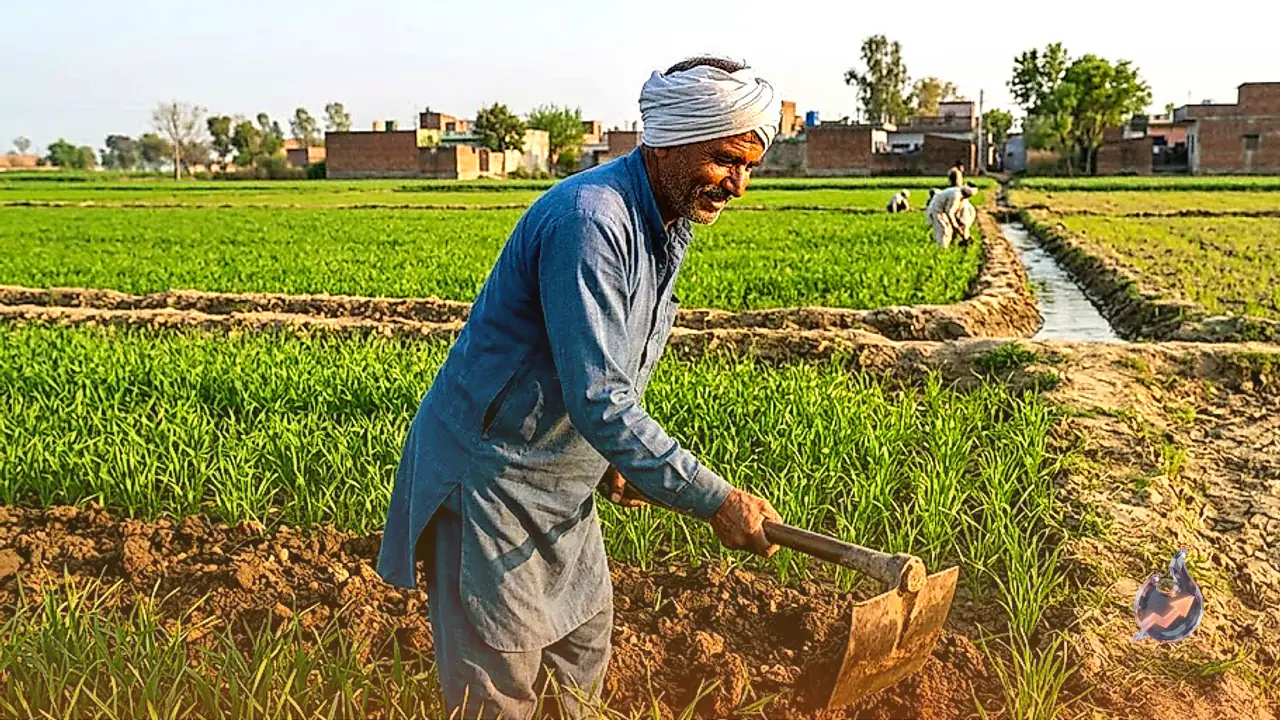



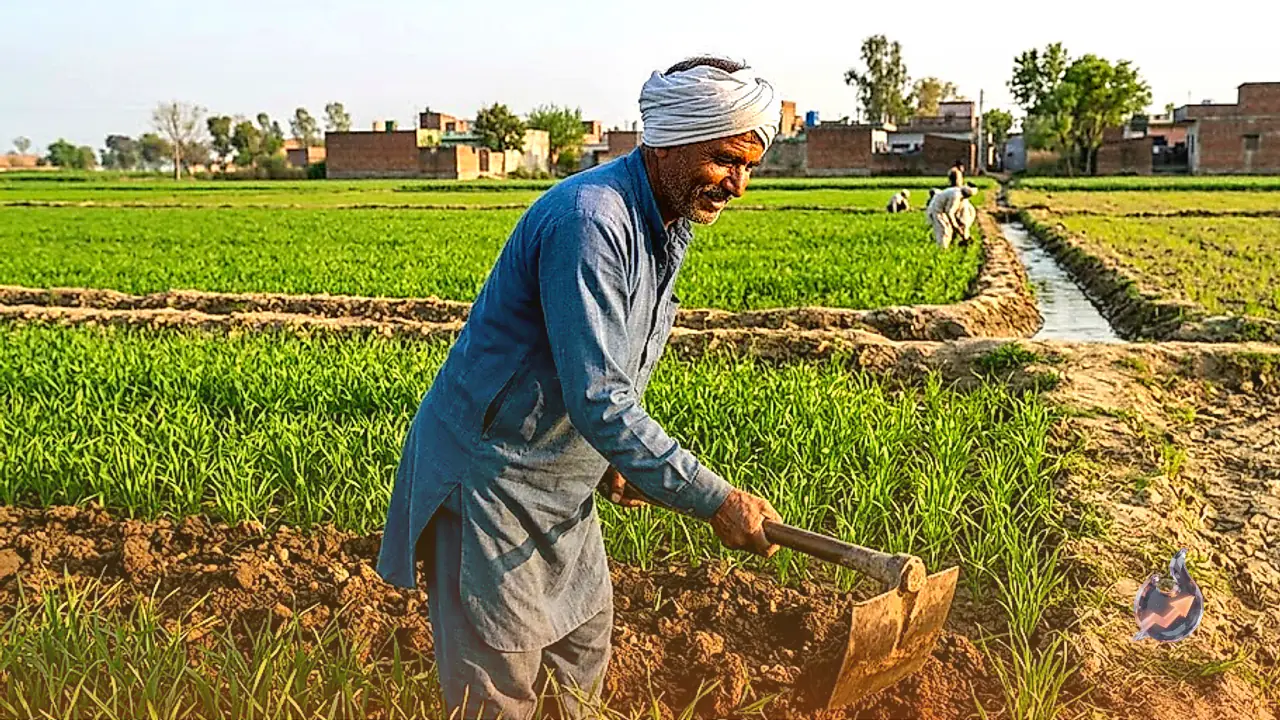



















Livestock owners in Bhilwara often accumulate large quantities of animal waste around their homes and enclosures. Many farmers traditionally gather this waste into open piles and dump it directly onto their fields during the sowing season. However, leaving organic waste exposed to the open air for extended periods is far from ideal. Intense sunlight and high temperatures can destroy numerous vital microorganisms and beneficial bacteria present in the manure, which are precisely the agents responsible for improving soil health and supplying essential nutrients to crops.
Proper Composting Methods in Shaded Areas
To produce high-grade organic fertilizer, farmers can dig pits in shaded locations. Depositing the waste inside these covered pits or keeping it completely under shade while maintaining adequate moisture levels is recommended. If digging a pit is impractical, the material can be safely stacked in heaps under dense shade. With proper shade and consistent moisture, the organic matter gradually decomposes and transforms into rich compost. Farmers seeking even superior quality can mix household fruit and vegetable peelings along with goat droppings into the pile to substantially increase the organic content of the fertilizer.
Recognizing Ripe Compost and Optimal Timing
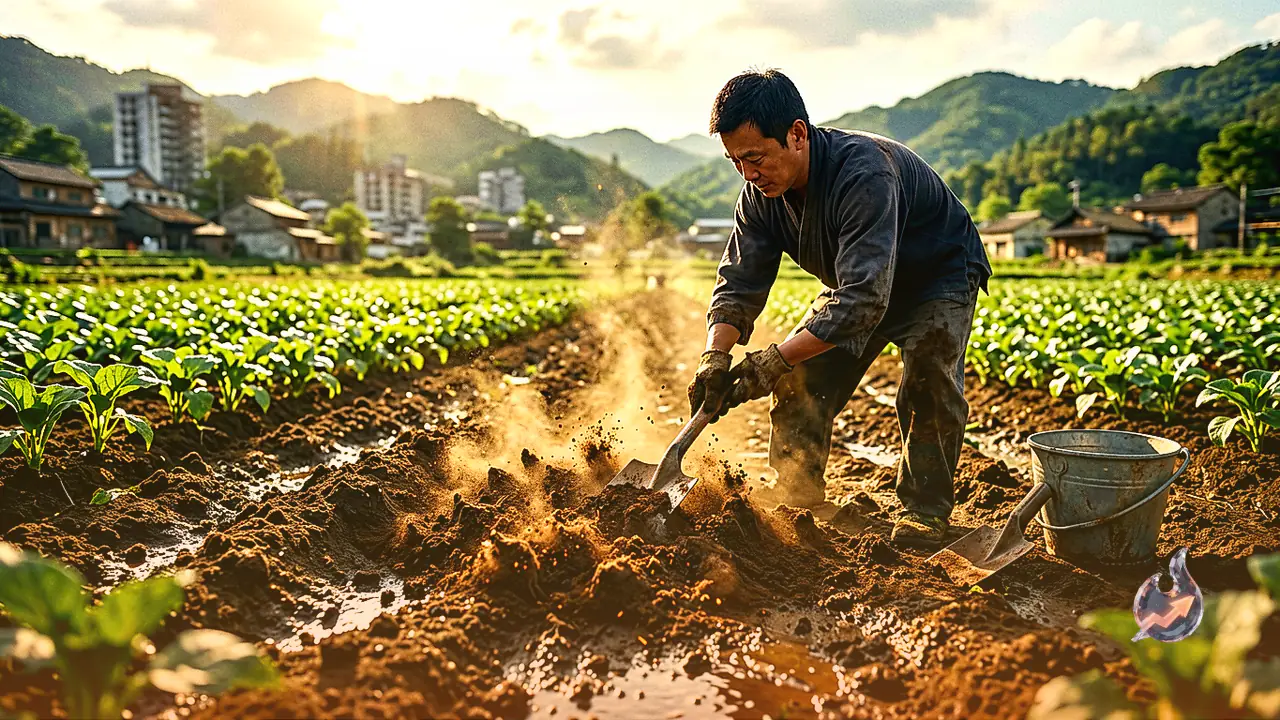
Fully decomposed manure darkens in color, turning deep brown or black, and acquires a crumbly texture. Once the sharp pungent odor disappears and the material resembles ordinary soil in consistency, it is ready for agricultural application. Farmers should strictly avoid applying raw or partially decomposed manure directly to the fields, as allowing it to mature fully beforehand yields far better results. Applying compost roughly 20 to 25 days prior to crop sowing is considered much more effective than adding it right at planting time. Following application, deep ploughing ensures the fertilizer integrates thoroughly with the soil, giving it ample time to blend and nourish upcoming crops. In flood-prone regions, farmers can apply and plough the manure prior to potential flooding events.
Managing Vermicompost Production
When producing earthworm-based vermicompost, selecting a shaded environment remains equally critical, as excessive heat and harsh sunlight can harm earthworms and beneficial microbes. Maintaining balanced moisture without waterlogging is essential throughout the composting cycle. Properly prepared organic manure ultimately restores depleted soil structures and enhances water retention capacities, proving invaluable for long-term agricultural sustainability.