























Preparations for wheat sowing are gathering pace across agricultural fields as farmers get ready for the approaching Rabi cultivation cycle. Dr. Nandan Singh, Subject Matter Specialist at Krishi Vigyan Kendra, has outlined practical technical guidelines designed to help cultivators reduce operational overheads while securing maximum output. Adopting the right planting window, certified seed varieties, and modern agronomic practices can substantially elevate farming profits and protect soil health.
Crucial Steps for Soil Sampling Prior to Sowing
Conducting a proper soil evaluation before initiating field operations remains an essential prerequisite, according to Dr. Nandan Singh. To collect a representative sample, growers should dig 15 to 20 centimeters deep, measuring roughly 6x4x6 inches, across four to five distinct spots within a one-acre plot. These gathered portions must be blended thoroughly and submitted to the soil testing division or the local Krishi Vigyan Kendra testing facility. Applying chemical fertilizers strictly in accordance with the resulting test report prevents excessive nutrient dumping and cuts unnecessary expenses.
Crop Residue Management and Conservation Tillage
Managing leftover crop residue from the preceding harvest requires sustainable methods rather than field burning. Dr. Singh advised that applying Pusa Decomposer effectively breaks down agricultural waste directly inside the soil, turning stubble into beneficial organic matter. Furthermore, traditional land preparation relying on multiple rounds of cultivators or rotavators burns substantial amounts of diesel and consumes valuable time. Deploying modern planting implements such as Super Seeders or Zero Till seed drills enables direct planting while eliminating repetitive plowing costs.
High-Yielding Wheat Varieties to Lift Production by Up to 25 Percent
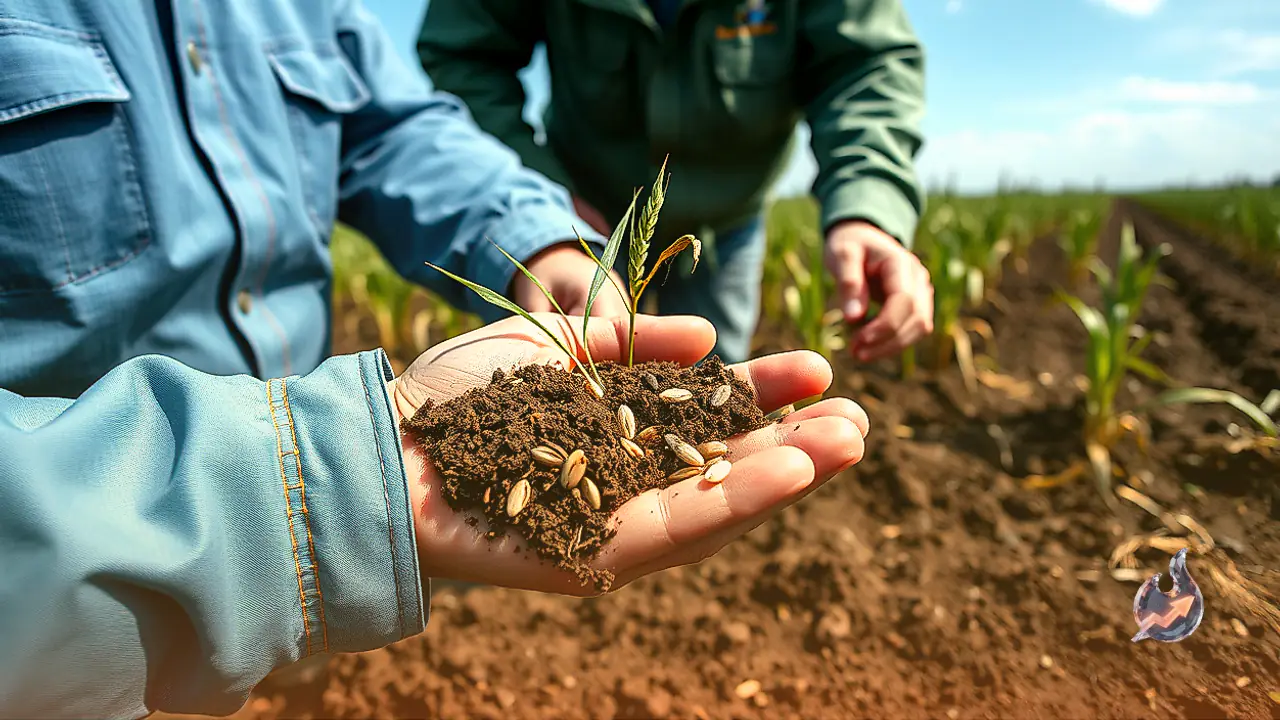
Seed quality directly determines the eventual volume of the harvest, making thoughtful seed selection critical for every farmer. Utilizing improved seeds can drive a 20 to 25 percent increase in overall crop productivity compared to ordinary planting material. High-yielding varieties developed by agricultural research universities, notably DBW 187, DBW 222, and HD 2967, offer strong genetic potential. Farmers must verify the certification and traits of these varieties before purchasing to ensure robust field emergence and healthy ear head development.
Optimal Sowing Window, Temperature, and Spacing Guidelines
The month of November represents the most suitable timeframe for sowing wheat, coinciding with ambient temperatures stabilizing between 20 and 25 degrees Celsius. When placing seeds in the soil, cultivators should maintain an inter-row spacing of approximately 20 centimeters and a planting depth of 4 to 5 centimeters. Using modern zero-till and super-seeder machinery ensures uniform seed placement, accelerating germination rates and establishing strong, resilient crop stands right from the early vegetative stage.