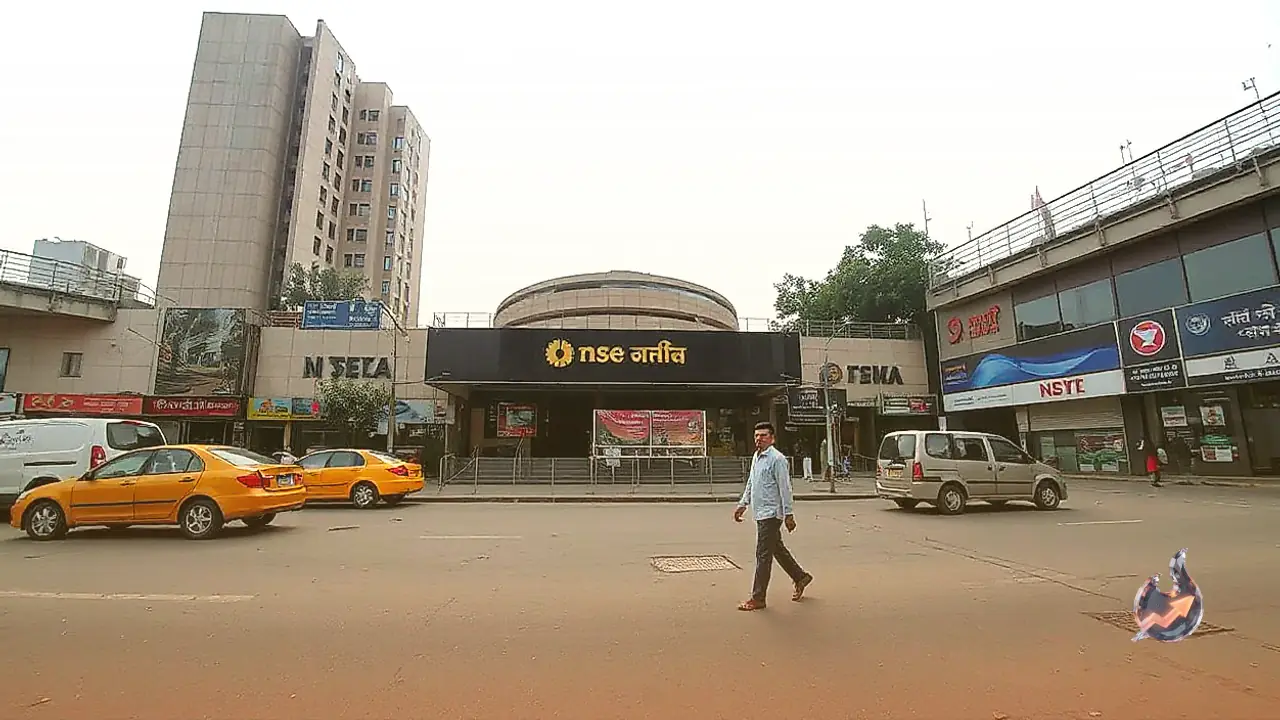



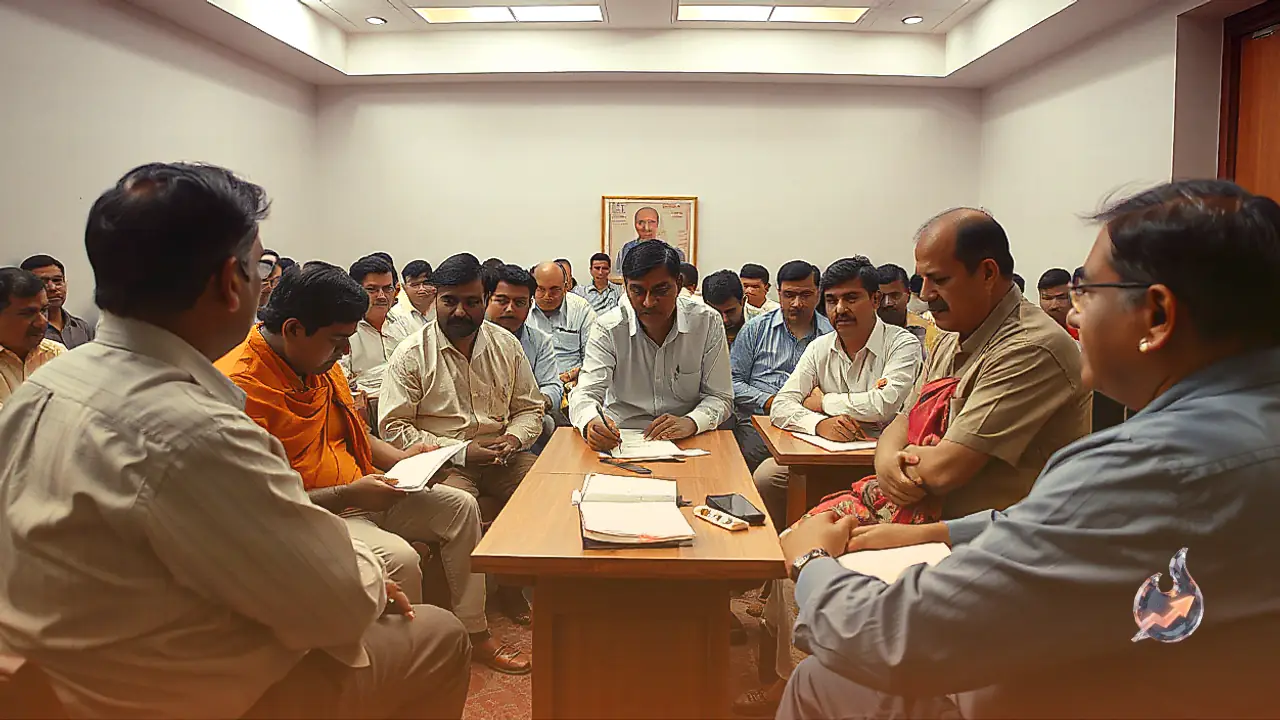

















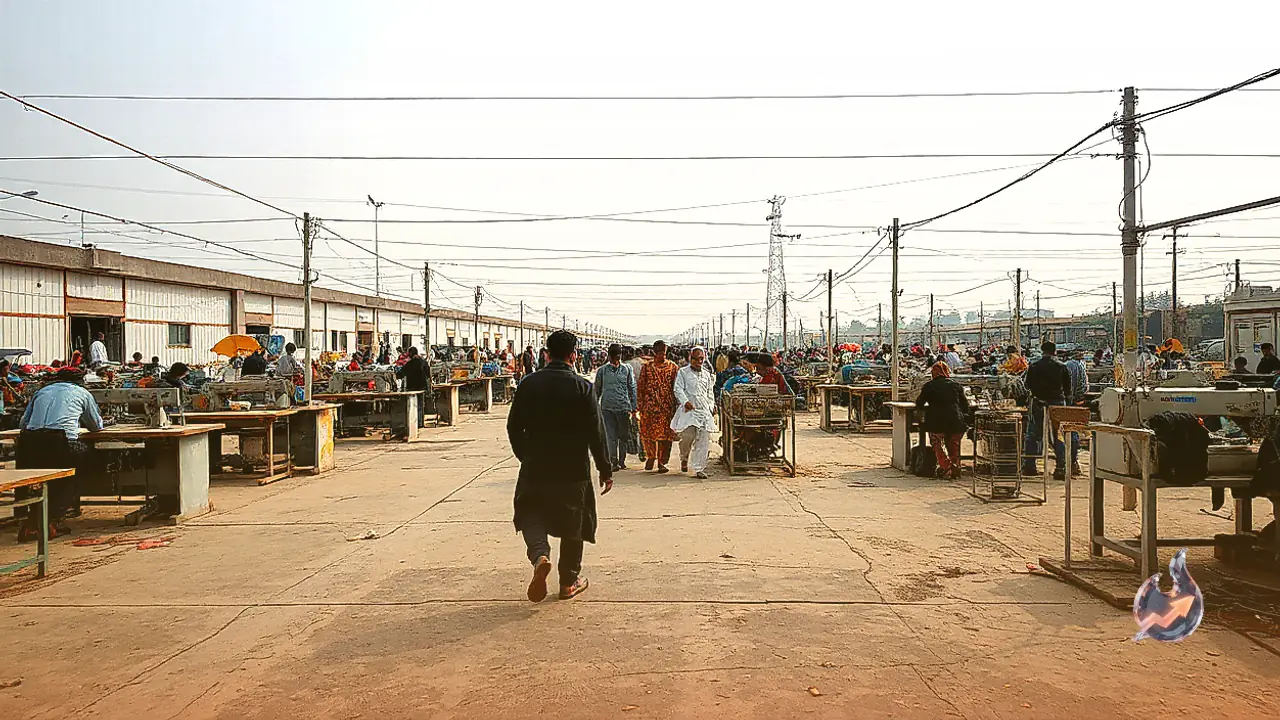

Mounting industrial turmoil in Bangladesh has sent tremors through the international apparel and fashion retail ecosystem. Widespread unrest among factory workers and widespread facility closures have brought assembly lines to an abrupt halt, triggering anxiety across Western markets. Major American and European retail brands with rigid seasonal delivery schedules are actively looking at alternative sourcing destinations to safeguard their supply pipelines, and India stands among the primary contenders positioned to absorb these shifting manufacturing contracts.
Production stalled across an estimated 679 to 690 garment factories on November 2 following intensifying worker protests. More than 4 million workers are employed across these industrial establishments. The agitating labor workforce is demanding an increase in their minimum monthly wages from the current 12,500 taka to 30,000 taka. Although the government moved to set up a dedicated wage board to address these grievances, labor discontent and industrial demonstrations have continued to disrupt operations. For a country widely recognized as one of the most competitive and affordable readymade garment exporters globally, this disruption poses a serious operational setback.
Buyer Deadlines and the Emerging Strategic Opportunity for India
Global apparel procurement operates on uncompromising lead times. When an American retailer places an order for 500,000 t-shirts with a factory in Bangladesh, the consignment must arrive at distribution hubs before specific seasonal launch dates. If labor action shuts down the production floor, foreign buyers cannot afford to wait indefinitely for labor negotiations to conclude. Retailers are compelled to reallocate production volume to operational facilities in other apparel-producing nations, with India, Vietnam, Pakistan, and Cambodia serving as the foremost alternative candidates.
India possesses substantial systemic advantages to capitalize on such supply disruptions. The country hosts thousands of active textile mills and garment units, backed by a fully vertically integrated supply chain that spans raw cotton harvesting, spinning yarn, weaving or knitting fabric, and finishing readymade shirts, t-shirts, and trousers under one domestic umbrella. In contrast, Bangladesh's garment sector has been grappling with sustained operational headwinds. More than 402 apparel factories have shut down permanently over the past three years. According to official disclosures presented to parliament in September 2026, a total of 282 BGMEA member units and 120 BKMEA member units ceased operations between July 2023 and June 2026. This extensive attrition demonstrates that the present turmoil extends beyond brief labor strikes. Escalating electricity tariffs, severe natural gas shortages, elevated bank lending rates, reduced order flow, and ongoing political instability have steadily eroded Bangladesh's manufacturing competitiveness.
Tirupur: India's Knitwear Capital Prepared to Scale Production
Among Indian industrial clusters, the city of Tirupur in Tamil Nadu stands to capture the most substantial share of diverted orders. Widely recognized as India's primary knitwear and t-shirt manufacturing center, Tirupur specializes in knitted fabrics where interlocking yarn loops form the foundation for garments such as t-shirts, undergarments, and children's clothing collections.
The defining strength of Tirupur lies in its integrated industrial cluster, which performs every intermediate stage from raw fiber spinning and fabric processing to specialized dyeing, stitching, and export packaging. Data released by the Ministry of Textiles shows that the combined export value of textiles, readymade garments, and handicrafts from Tirupur district stood at Rs 38,677 crore during fiscal year 2025-26. This mature export infrastructure means local manufacturers maintain direct, established commercial ties with international buyers rather than starting from scratch. When Bangladesh encountered sharp political volatility in September 2024, Tirupur exporters successfully secured supplementary overseas orders, establishing a proven precedent for absorbing diverted volume.
Noida: An Established Export Corridor for International Brands
Gautam Buddha Nagar district in Uttar Pradesh, anchored by Noida, represents another major manufacturing hub capable of stepping in to meet Western retail demand. The industrial zone houses numerous specialized garment units producing tailored shirts, formal trousers, womenswear, and children's wear for high-profile international fashion labels.
Ministry of Textiles figures indicate that Gautam Buddha Nagar district generated Rs 21,095 crore in combined textile, readymade garment, and handicraft exports in fiscal year 2025-26. Despite this substantial capacity, the regional cluster faces distinct operational pressures. A recent assessment showed that the count of active apparel manufacturing units in the district dropped from 2,400 to 1,800 within a six-month window, primarily driven by a slowdown in orders originating from the United States. If international sourcing agents shifting out of Bangladesh turn to Noida, local production lines could regain idle capacity, provided factories can satisfy stringent buyer conditions regarding price points and reliable delivery timelines.
Diversification Across Surat, Ludhiana, and Bengaluru
Surat in Gujarat has long been celebrated for its expansive fabric production and synthetic textile capabilities. The city produces large volumes of polyester and other synthetic blends. Because Bangladeshi factories manufacture substantial quantities of synthetic and blended apparel alongside pure cotton goods, Surat's fabric mills have a tangible opportunity to fulfill rising raw material demand. However, capturing finished garment export contracts will require Surat to strengthen its industrial stitching lines and finished garment supply chain.
In northern India, Ludhiana in Punjab serves as the central hub for woolens, thermal wear, and specialized hosiery. The city is renowned for producing knitted pullovers, athletic tracksuits, and cold-weather clothing lines, positioning local mills to absorb orders for autumn and winter collections redirected from South Asian competitors.
Meanwhile, Bengaluru represents a vital center for high-value garment manufacturing alongside its information technology sector. The Karnataka hub specializes in formal shirts, trousers, and refined women's fashion wear. Ministry of Textiles data indicates that Bengaluru Urban district recorded Rs 16,205 crore in textile, readymade garment, and handicraft exports during 2025-26. As international clothing retailers seek diversified production footprints away from concentrated regional risks, Bengaluru presents an established alternative for complex apparel assembly.
The Dual Impact on India's Raw Cotton and Yarn Exports
This regional market shift also introduces critical ripple effects across upstream agricultural and spinning sectors. India does not simply compete with Bangladesh for finished garment retail contracts; it also operates as one of the largest suppliers of intermediate raw materials to Bangladesh's garment sector, exporting large volumes of raw cotton, spun yarn, and processed fabric.
Because Bangladesh's garment factories rely heavily on Indian fiber to run their sewing lines, prolonged factory shutdowns and reduced garment production across Bangladesh could depress near-term demand for Indian raw cotton and yarn. Consequently, while downstream Indian garment manufacturers in clusters like Tirupur and Noida stand to capture valuable export market share, domestic cotton traders and spinning mills may need to navigate softer immediate demand from their primary neighboring trade partner.