



















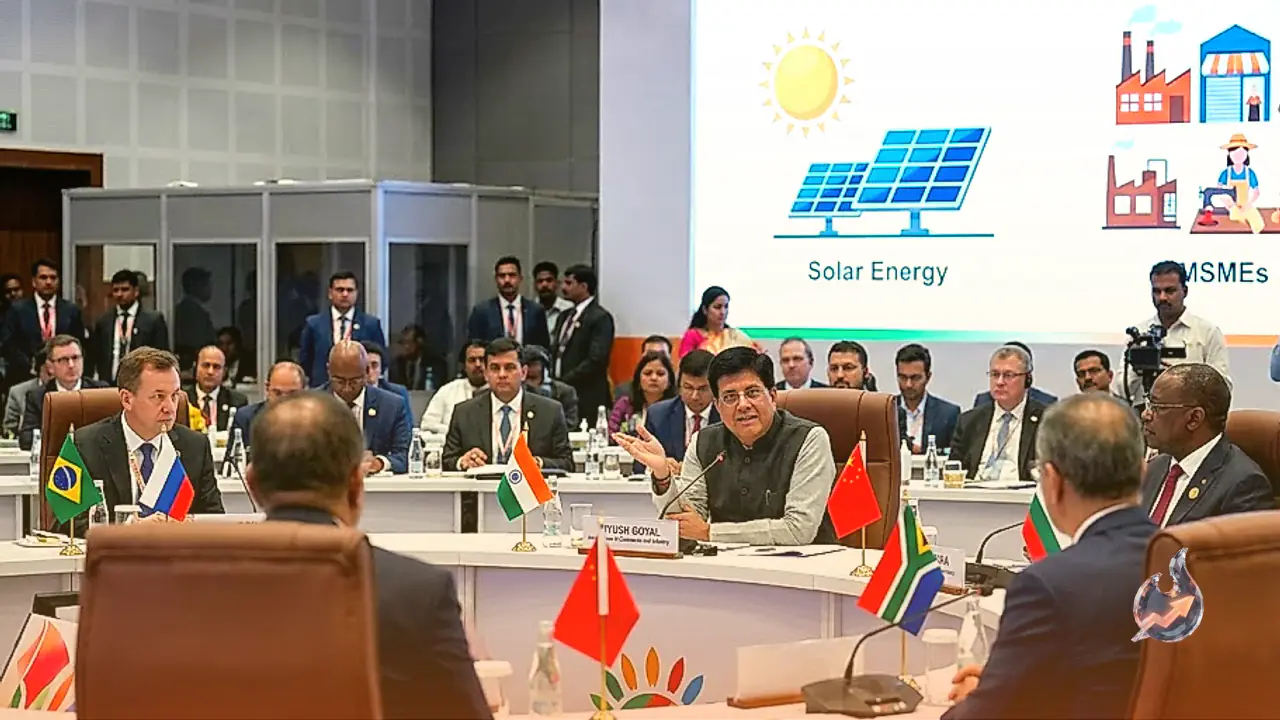

The historical city of Jaipur has emerged as a prominent hub for global diplomacy and economic policymaking throughout August. Operating under India's 2026 BRICS chairship, the capital of Rajasthan is hosting senior ministerial delegations and representatives from major emerging economies. Discussions in the Pink City center around crucial global economic priorities, including international trade expansion, investment frameworks, digital commerce integration, artificial intelligence applications, bilateral trade settlement in national currencies, tourism security, and MSME sector empowerment. These high-level deliberations serve as a vital strategic prelude to the upcoming BRICS Leaders' Summit scheduled for September in New Delhi, which will be chaired by Prime Minister Narendra Modi. To welcome international dignitaries, the host city has been extensively decorated, with elaborate arrangements put in place to reflect traditional hospitality.
Focusing on Industrial Resilience and Technological Innovation
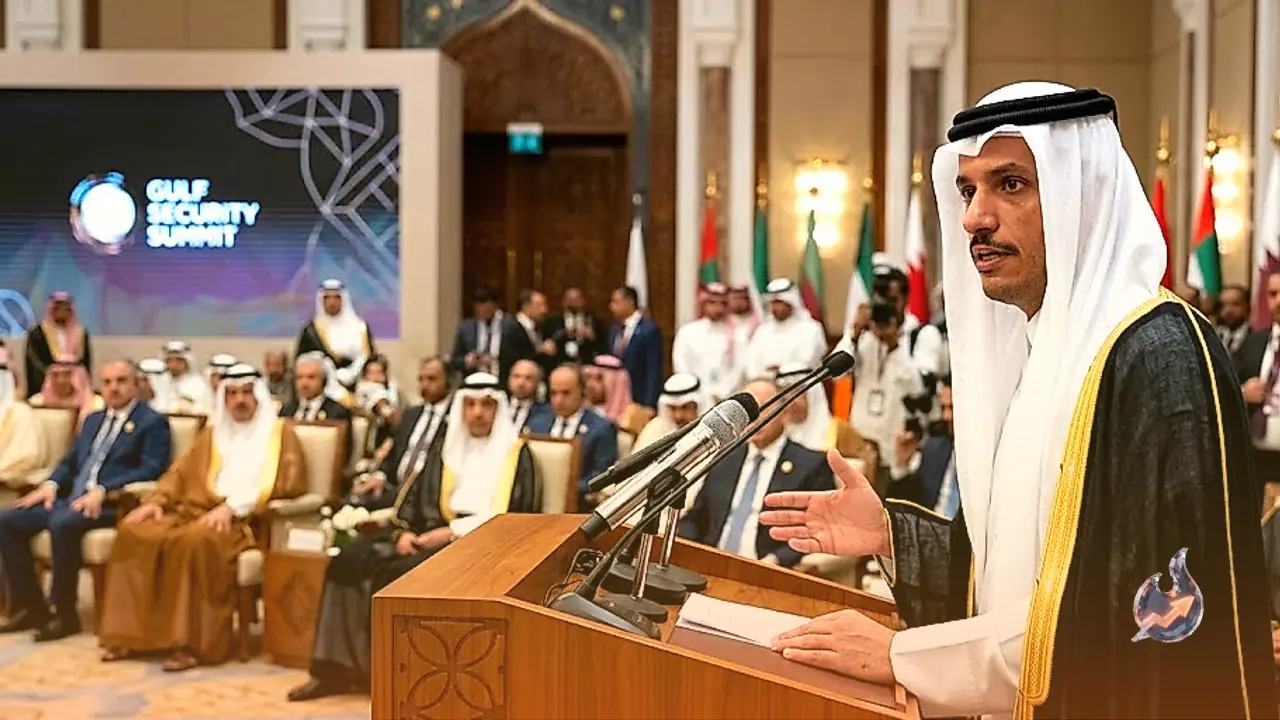
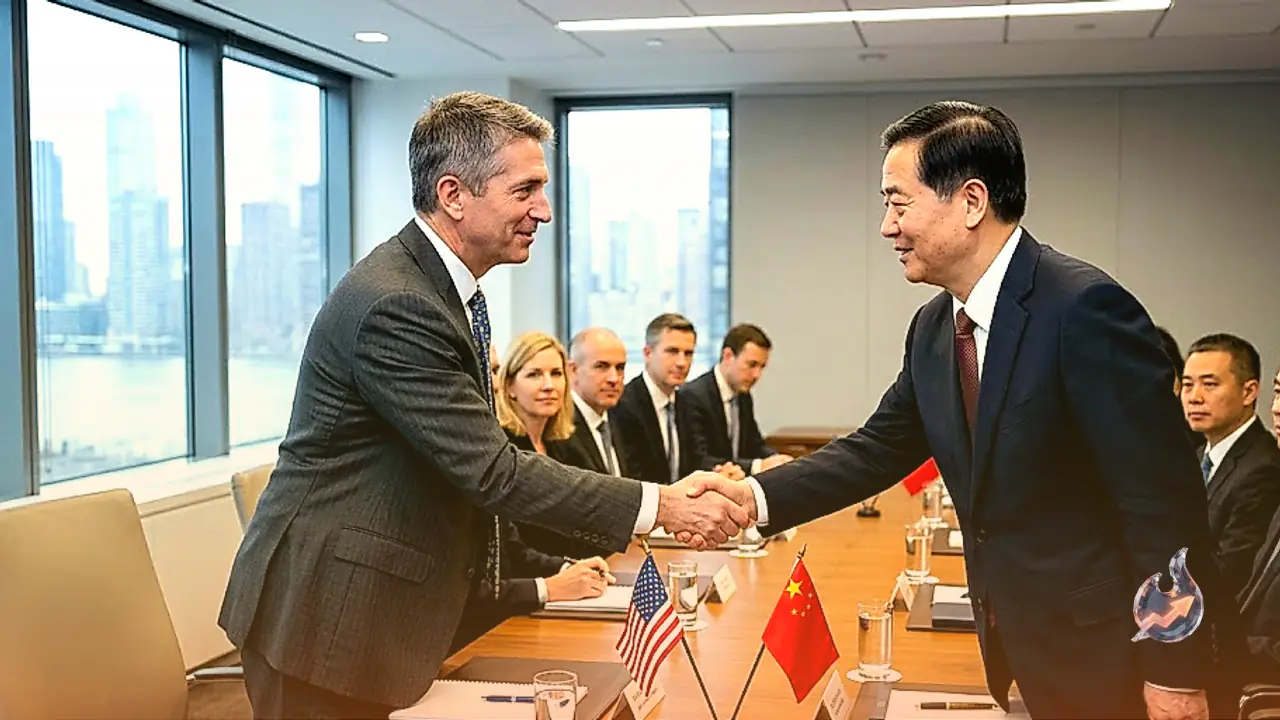
The 10th BRICS Industry Ministers' Meeting in Jaipur witnessed participation from industry ministers and senior official delegations across member nations. Convened under the official theme Resilience, Innovation, Cooperation, and Sustainable Development for Manufacturing, the forum focused on strengthening industrial infrastructure against global economic shifts. Delegates deliberated on integrating cutting-edge technologies into manufacturing processes and deepening industrial synergy among member states. Union Minister of Commerce and Industry Piyush Goyal formally welcomed the delegates, observing that Jaipur uniquely embodies the harmonious blending of centuries-old artistic heritage with modern industrial vision. He underscored that amidst rapidly evolving global macroeconomic dynamics, BRICS member nations must leverage their respective domestic strengths to advance collective economic development.
Aligning BRICS Cooperation with India's 2047 Growth Blueprint
Interacting with media personnel upon his arrival at Jaipur Airport, Union Minister Piyush Goyal highlighted that BRICS ministerial meetings provide an indispensable international forum to reinforce multilateral trade cooperation. He noted that under the leadership of Prime Minister Narendra Modi, India is systematically progressing toward its long-term objective of achieving developed-nation status by the year 2047. In a statement released on August 6, 2026, the Minister emphasized that India's BRICS 2026 chairship offers member countries a key window to scale industrial partnerships, optimize supply chain stability, and enhance cross-border manufacturing investments.
Adoption of Joint Declaration and India's Innovation Proposals
The central milestone of the ministerial summit was the unanimous adoption of the Joint Declaration of the 10th BRICS Industry Ministers' Meeting. Under this framework, member states pledged to deepen MSME cooperation, expand strategic partnerships within the photovoltaic solar industry, encourage startup ecosystems, and streamline international logistics networks. Furthermore, the official action plan for the BRICS Working Group on Photovoltaic Industry received formal approval. To accelerate technology-driven expansion across member economies, India advanced two major structural proposals: the creation of the BRICS Incubator Network and the establishment of the BRICS Startup Innovation Fund.
Preparing for the 16th Trade Ministers' Meeting on August 7
Following the conclusion of the industry ministerial, Jaipur is set to host the 16th BRICS Trade Ministers' Meeting on August 7, under the chairship of Union Minister Piyush Goyal. The upcoming conference will focus on fortifying resilient global supply chains, modernizing digital trade mechanisms, enhancing small business participation in international trade, and strengthening multilateral trading systems. This session follows an earlier meeting of the BRICS Contact Group on economic and trade issues held in New Delhi, which laid the initial ground rules for these discussions.
Showcasing Rajasthani Heritage and Diplomatic Significance
To give international delegates firsthand exposure to Rajasthan's rich cultural heritage, special cultural performances and a gala dinner were organized at the historic City Palace. The visiting delegations were also scheduled to tour iconic landmarks including Hawa Mahal and other historical monuments, offering a window into traditional architecture and hospitality. Beyond their diplomatic protocol, the Jaipur ministerials mark an important milestone in asserting India's expanding economic footprint, deepening trade alignment, and shaping multilateral economic policy among emerging markets.