



















Farmers processing harvested horticultural produce often suffer steep financial losses when sudden rain, persistent cloud cover, fog, or humidity damage drying crops in the open. To tackle this persistent post-harvest challenge in the Bikaner region, agricultural authorities have introduced targeted support for crops including dates, kachri, sangri, drumstick, and cucurbits. Through the National Horticulture Mission, the Department of Horticulture is rolling out a 40 percent financial subsidy on the benchmark unit cost of installing specialized solar dryers, enabling growers to dehydrate their produce rapidly in a protected, hygienic setting.
Risks of Traditional Open-Air Drying Practices
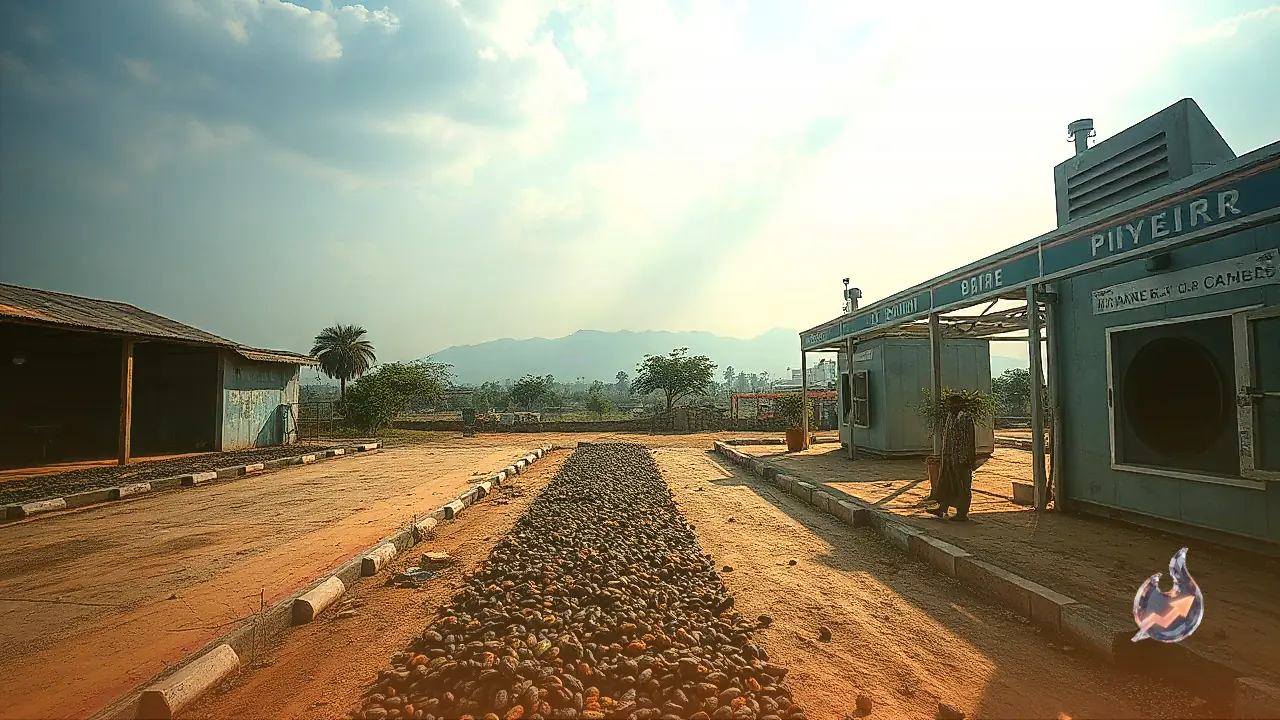
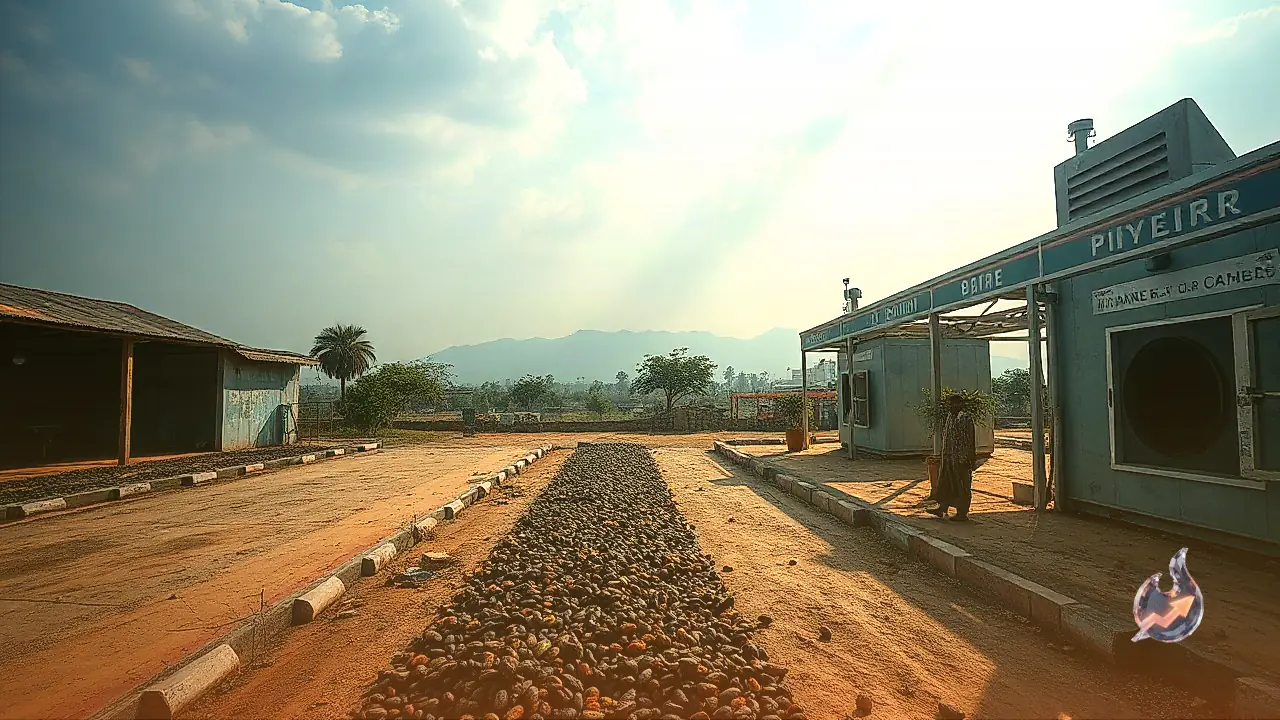
Bikaner district produces substantial volumes of dates, kachri, sangri, drumstick pods and leaves, alongside diverse cucurbit crops. The standard practice among local growers has been to spread freshly gathered harvests directly across bare fields or rooftops under direct sunlight. However, exposing edible goods to open surroundings leads to immediate contamination from blowing dust and grit. Whenever unseasonal rain, dense fog, or sudden overcast conditions develop, the moisture degrades the crops rapidly. These unexpected weather disruptions regularly destroy quality and waste months of rigorous agricultural labor.
Controlled Dehydration and Market Value Gains
Solar dryers resolve these issues by shifting the dehydration process into a fully enclosed and regulated chamber. Operating within a sealed structure shields produce from airborne dust, ambient moisture, and rain while preserving vital nutrients, color, and texture. Because hygienically dried agricultural items command strong premium demand across major markets, farmers stand to secure significantly higher sale prices. Curbing post-harvest loss at the field level serves as a practical driver to increase rural farm incomes.
Equipment Capacity and Breakdown of Subsidies
Explaining the financial parameters of the initiative, Department of Horticulture Assistant Director Mukesh Gehlot noted that unit expenses are formally fixed under the National Horticulture Mission framework across two standard sizes. For a unit offering 70 kg drying capacity, the benchmark installation cost is set at 2.50 lakh rupees, which qualifies for a 40 percent grant equivalent to 1.00 lakh rupees. For larger operations, a 100 kg capacity dryer carries a benchmark unit cost of 3.50 lakh rupees, backed by a 40 percent subsidy worth up to 1.40 lakh rupees. In both cases, the remaining capital expenditure must be contributed directly by the beneficiary farmer.
Internal Tray Mechanics and Solar Heat Efficiency
Detailing the operational mechanics, Dr. Rajendra Rathore, a horticulture scientist at Swami Keshwanand Rajasthan Agricultural University, emphasized that solar dryers serve as an essential post-harvest tool for growers navigating volatile desert climates. When outdoor weather shifts suddenly, scattered dates, kachri fruits, drumstick pods, drumstick leaves, and cucurbit vegetables quickly rot or lose commercial value. The solar dryer features an internal network of stacked plates and trays that hold produce securely off the ground, eliminating dust exposure and preventing water penetration. By capturing and intensifying solar energy, the system evaporates moisture in a shorter timeframe compared to conventional methods.
Application Procedure Through State Agricultural Portal
Securing the subsidy requires completing a digital application process. Premaram, Deputy Director of Horticulture Research ATC, stated that eligible farmers interested in setting up the units under the National Horticulture Mission must register through the Raj Kisan Sathi portal. For comprehensive details regarding qualifying criteria, necessary paperwork, and step-by-step procedural guidelines, farmers can consult their nearest Assistant Agriculture Officer or local Agricultural Supervisor within the horticulture department.