




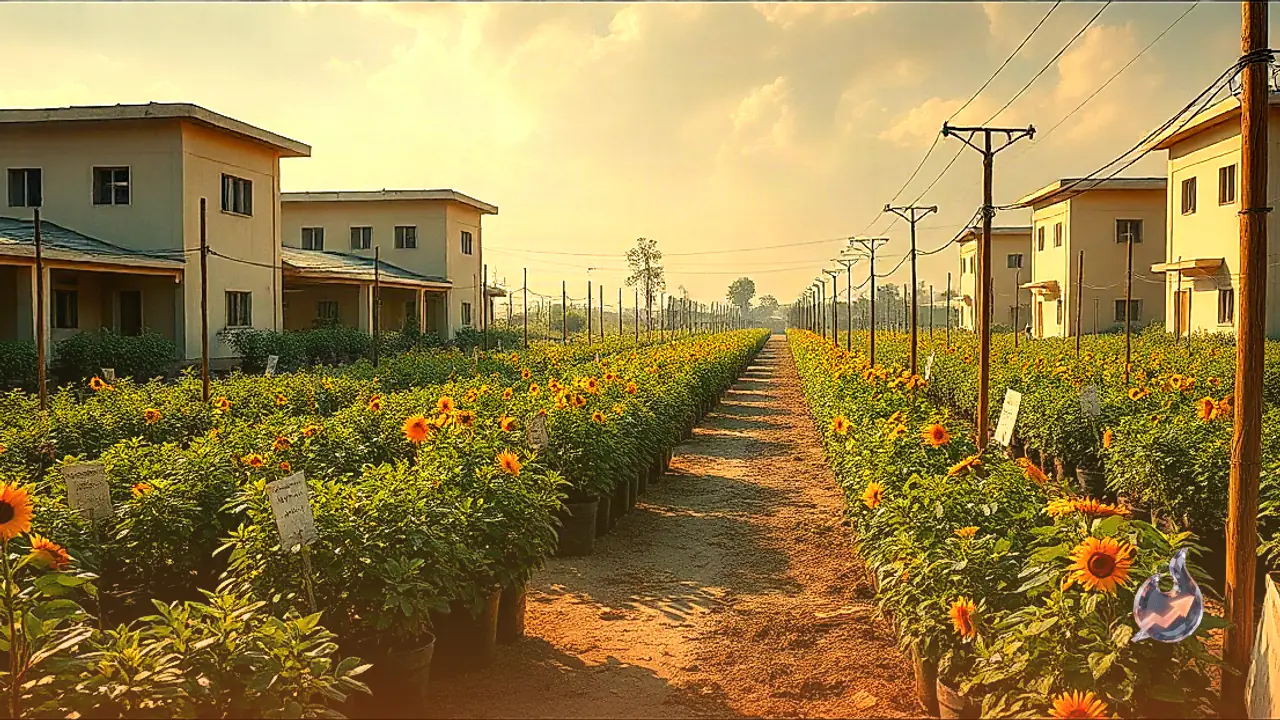


















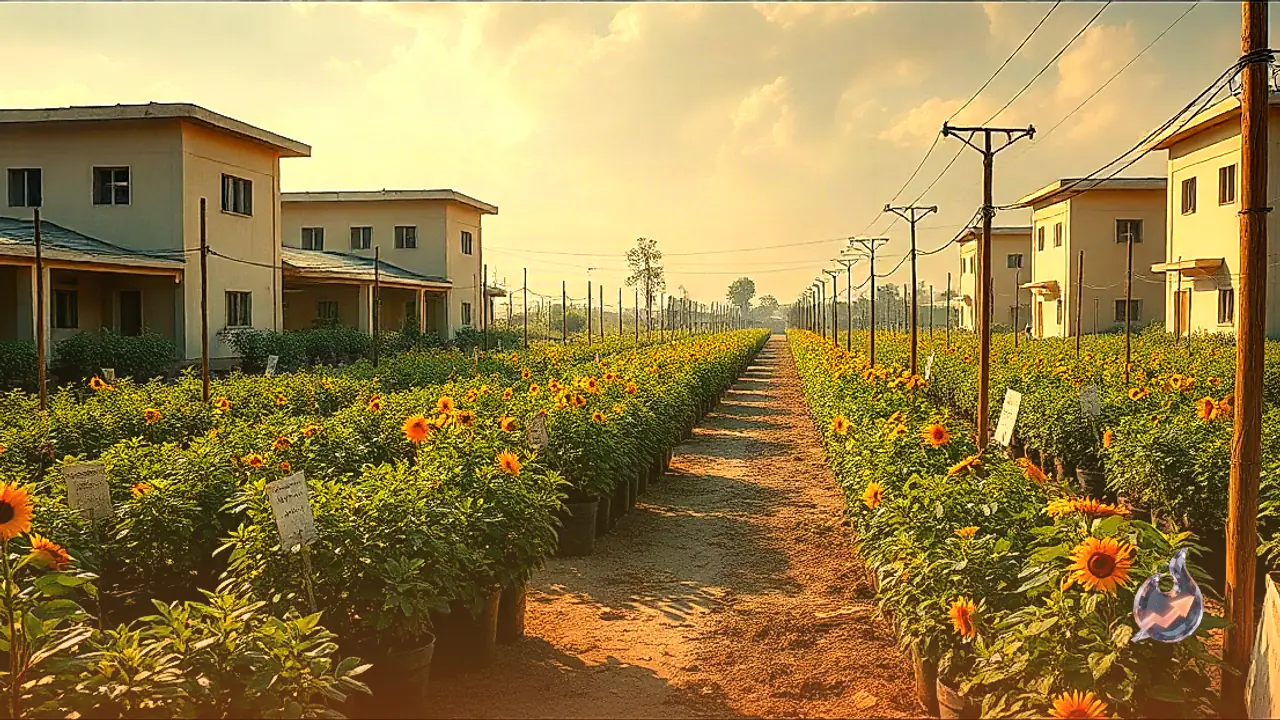

For individuals seeking practical self-employment opportunities and looking to build an independent enterprise, the green sector offers promising avenues. Establishing a plant nursery in Lakhimpur is proving to be a dependable business venture. A major advantage of this enterprise is that it does not mandate massive capital at the outset. Prospective entrepreneurs can begin on a modest scale depending on available space, individual budget, and local market demand, gradually expanding their investment as footfall and revenues climb.
The appetite for healthy saplings is no longer confined to agricultural landholders alone. Urban and semi-urban localities witness consistent requirements for decorative foliage to beautify residential balconies, terrace gardens, civic parks, private schools, corporate offices, hotels, and varied commercial complexes. Meanwhile, rural tracts sustain a regular demand for fruit-bearing trees and practical agricultural plants. Consequently, operating a nursery allows entrepreneurs to tailor cultivation to regional requirements and secure healthy market turnover.
Capital Requirements and Setup Costs
Janardan Mishra shared that a nursery business can be rolled out on a small scale with a starting budget of approximately Rs 50,000. Conversely, an entrepreneur aspiring to build a larger commercial facility might invest Rs 5 lakh or more, depending on land dimensions, irrigation systems, shading structures, total plant inventory, and auxiliary infrastructure. The exact expenditure always hinges on geographic positioning, land terrain, reliable water availability, and the specific varieties chosen for cultivation.
Having idle land or ample courtyard space around one's home significantly trims initial capital expenditures. On the other hand, securing land on lease introduces regular rental payments into the operational cost calculations. Industry observers advise against spreading resources across too many exotic varieties during the opening phase; focusing on the most sought-after local varieties delivers better cash flow. Once steady patron traffic is established, the product line can be widened to include specialized plants.
Selecting the Ideal Land and Location
The prosperity of a plant nursery depends substantially on site selection. When choosing a plot, one must ensure that the saplings will receive abundant natural sunlight, proper airflow, and an uninterrupted supply of water. Low-lying plots prone to severe waterlogging must be avoided, as stagnant water damages delicate root structures. Even terrain simplifies nursery chores, easing the preparation of planting beds and regular irrigation routines.
From a logistical and sales perspective, acquiring a site adjacent to a main thoroughfare or commercial market offers tangible advantages. Visibility along accessible roads makes it easy for retail buyers to walk in. Furthermore, when handling substantial bulk orders, transporting saplings to outside destinations becomes far more streamlined, saving transport costs and delivery time.
Selecting High-Demand Plant Varieties
A broad array of botanical varieties can be raised within a nursery, but success depends on matching regional climate and buyer preferences. Among fruit-bearing options, saplings of mango, guava, lemon, Indian gooseberry (amla), jamun, and papaya enjoy robust popularity across agrarian and suburban markets. Integrating regional favorites guarantees reliable off-take.
To cater to homeowners and decorative landscaping projects, maintaining a healthy assortment of flowering species is vital. Cultivating rose, marigold, hibiscus, jasmine, and other ornamental varieties helps attract a diverse clientele looking to enhance living spaces. Offering both flowering and fruiting alternatives creates a balanced revenue stream year-round.
Daily Maintenance, Hygiene, and Crop Protection
Rearing saplings is only the first step; maintaining their health through consistent upkeep is equally critical. Nursery operators must inspect beds daily to evaluate plant health. Any sapling displaying wilting, stunted growth, or signs of pest infestation must be separated immediately from healthy stock to prevent the spread of disease.
Care protocols must shift with seasonal transitions. Summer months necessitate rigorous watering schedules and green shade cloth to shield young leaves from scorching heat. During the monsoon, efficient drainage mechanisms are essential to discharge runoff promptly. Winter conditions often require protective coverings to shield vulnerable varieties from severe cold. Maintaining immaculate grounds, weeding out unwanted wild growth, and disposing of plant debris regularly minimize pests and fungal pathogens, safeguarding commercial profit margins.