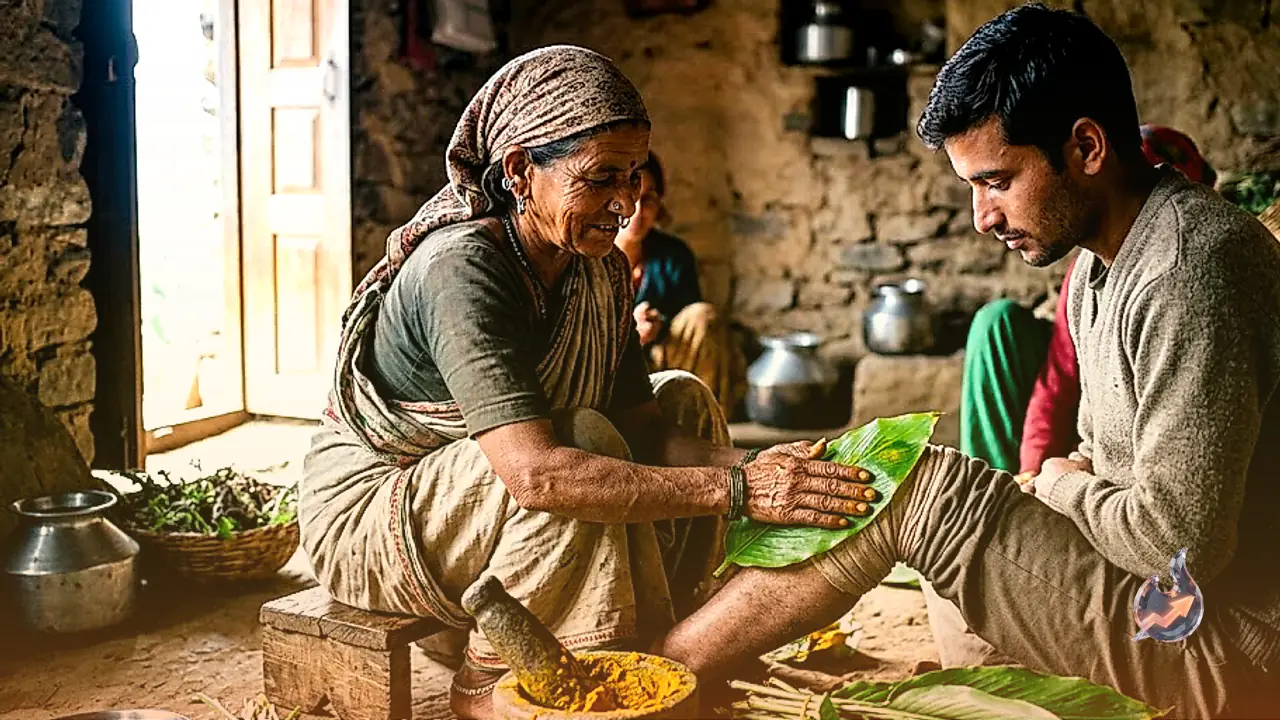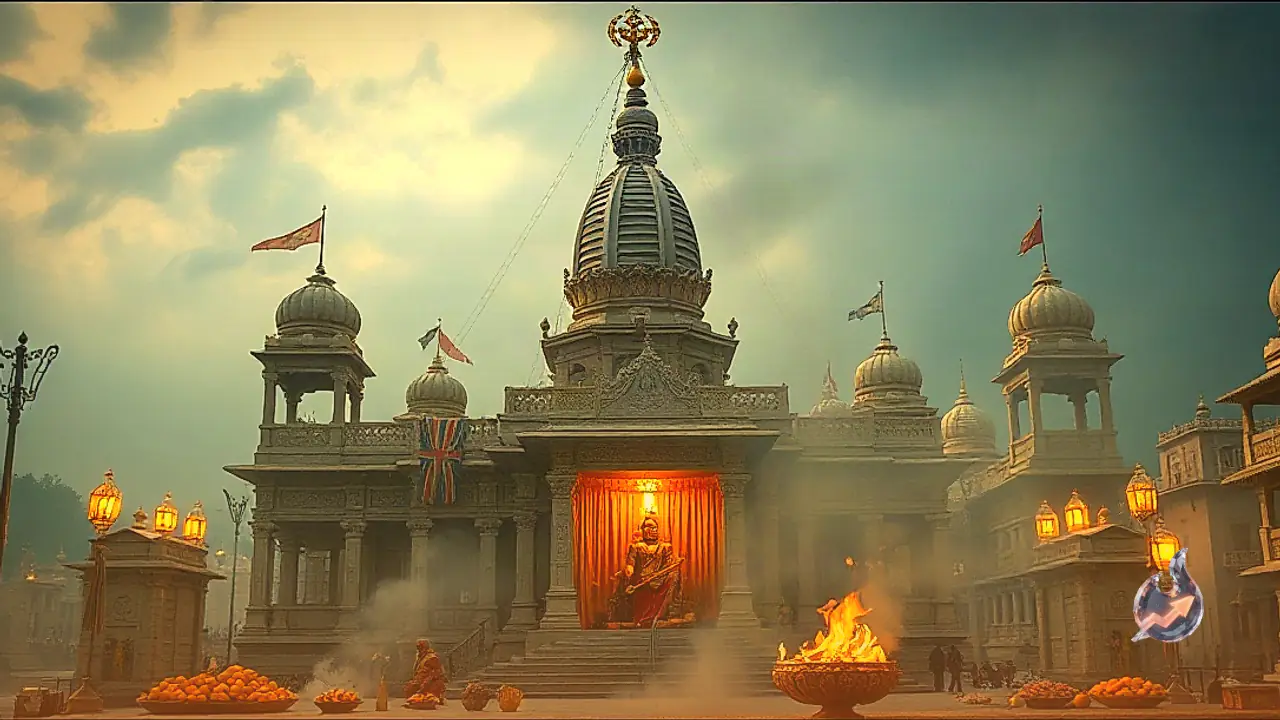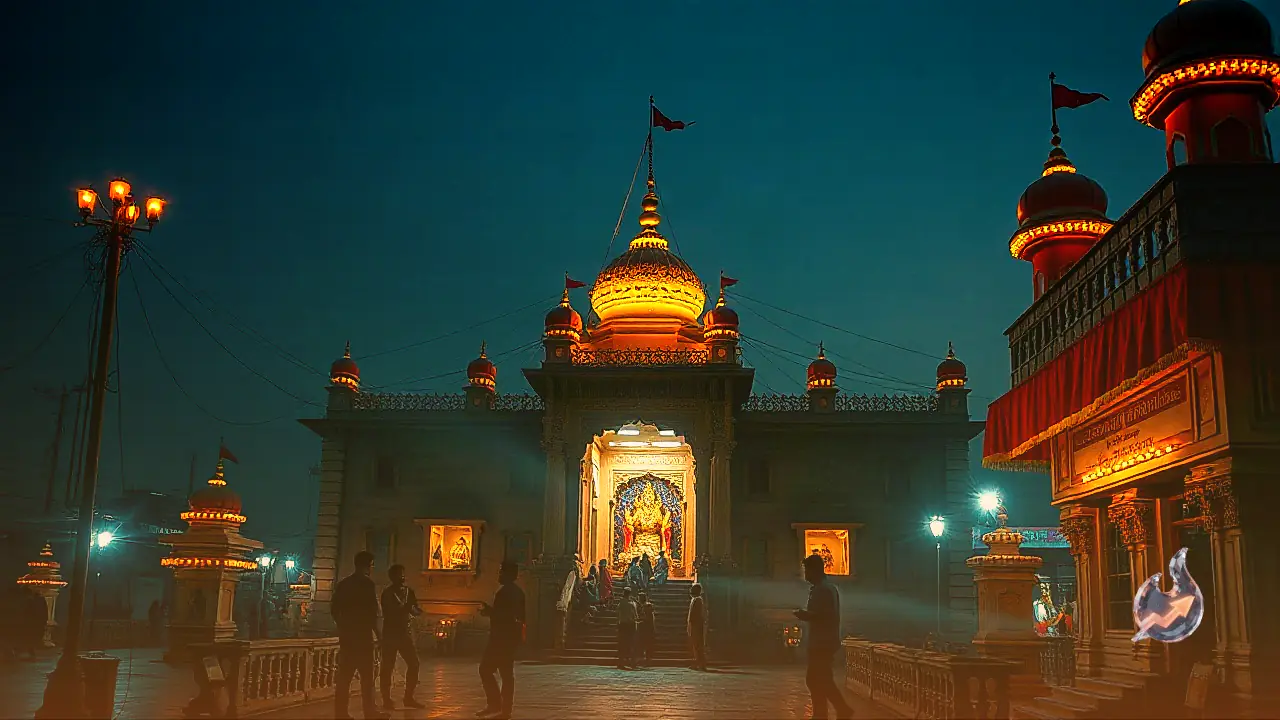


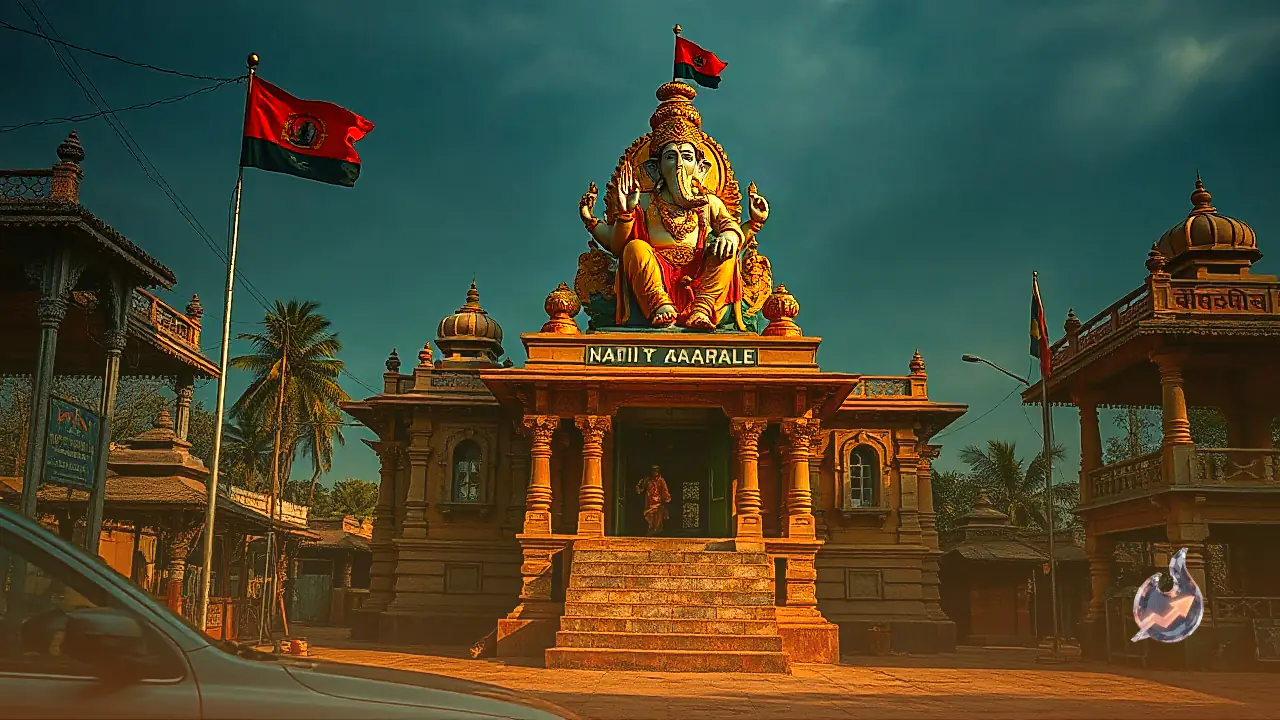
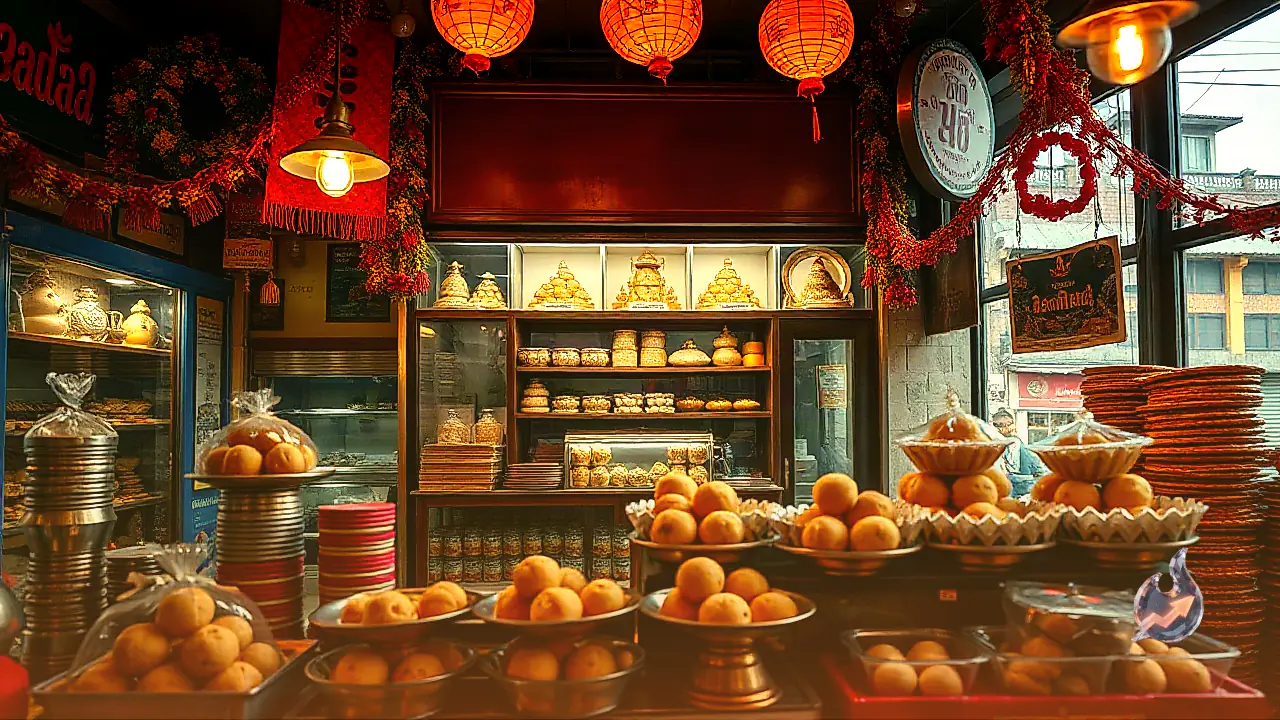

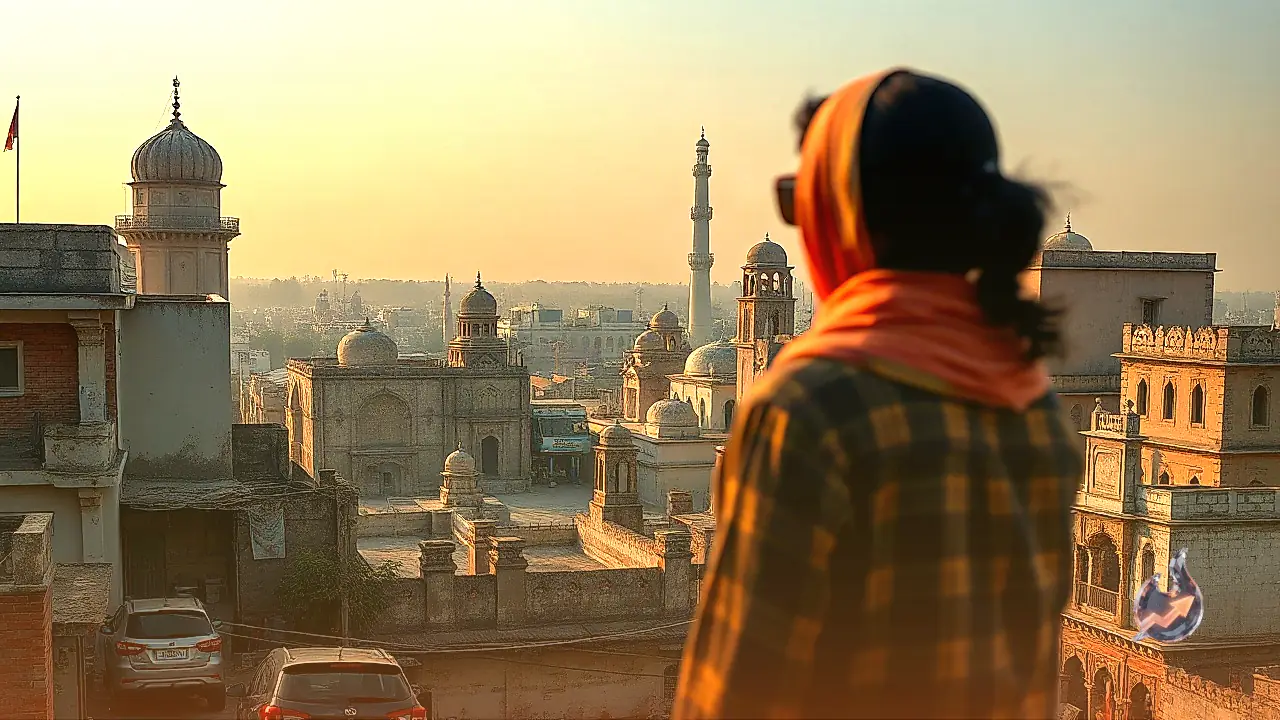














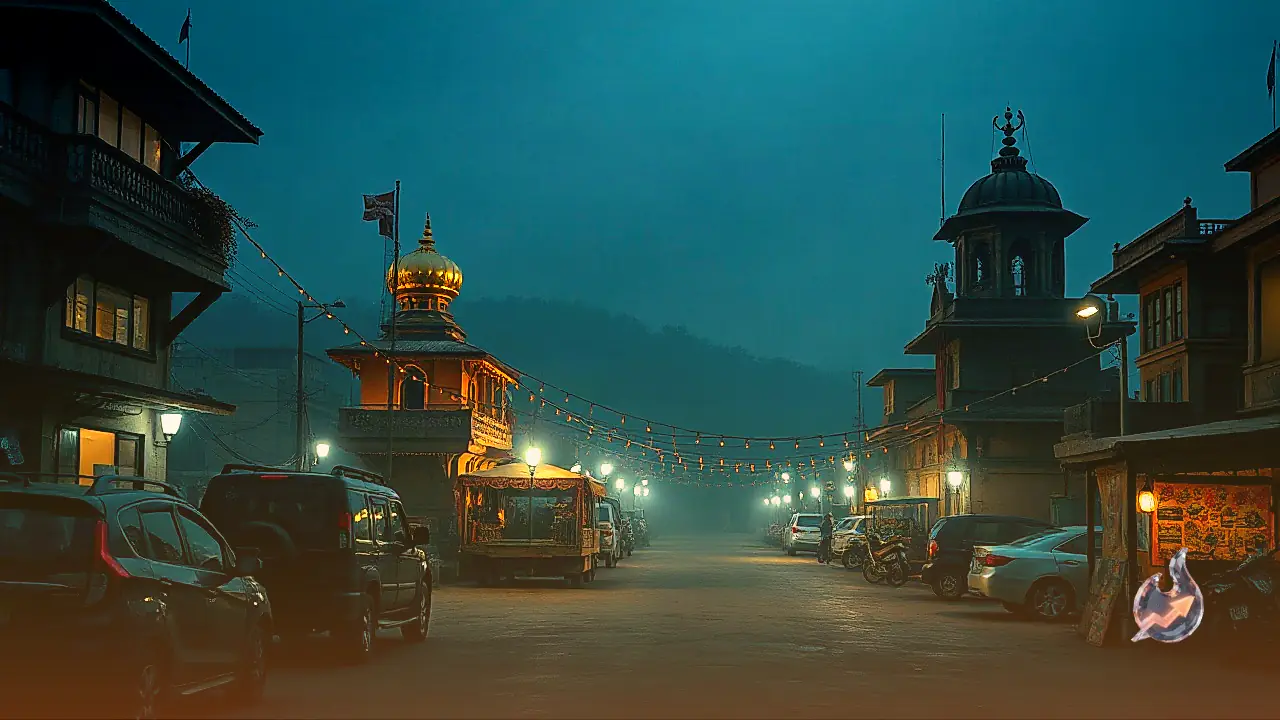

Uttarakhand is globally renowned not only for its towering Himalayan peaks and pristine landscapes but also for its ancient spiritual heritage and deep-seated traditions. Among these, the worship of Goddess Nanda and Goddess Sunanda holds a paramount position in the Kumaon region. This festival, boasting a historical legacy spanning over two centuries, has now crossed regional boundaries to establish a vibrant presence in the state capital. The city of Dehradun is currently witnessing the grand celebrations of the Nanda-Sunanda Mahotsav, which commenced on September 15 and is scheduled to run until September 23. This cultural migration is the result of an emotional journey of a Kumaoni daughter who sought to bring her ancestral heritage to her new home.
The Visionary Behind the Festival
After her marriage, Babita Sah Lohani moved from her homeland in Kumaon to settle down in Dehradun. Having grown up participating in the sacred rituals of Goddess Nanda and Sunanda, she felt a profound void in her spiritual life upon moving away. Traveling back to the rugged hills of Kumaon every year during the festive season was highly impractical due to domestic and professional commitments. Recognizing that hundreds of other Kumaoni families residing in Dehradun must be experiencing the same longing for their cultural roots, she decided to take action. She envisioned an event that would bridge this gap. Last year, she partnered with the Kurmanchal and Cultural Welfare Council to officially launch the Nanda-Sunanda Mahotsav in Dehradun, ensuring that the diaspora could experience the sacred energy of their homeland.
Traditional Craftsmanship of the Sacred Idols
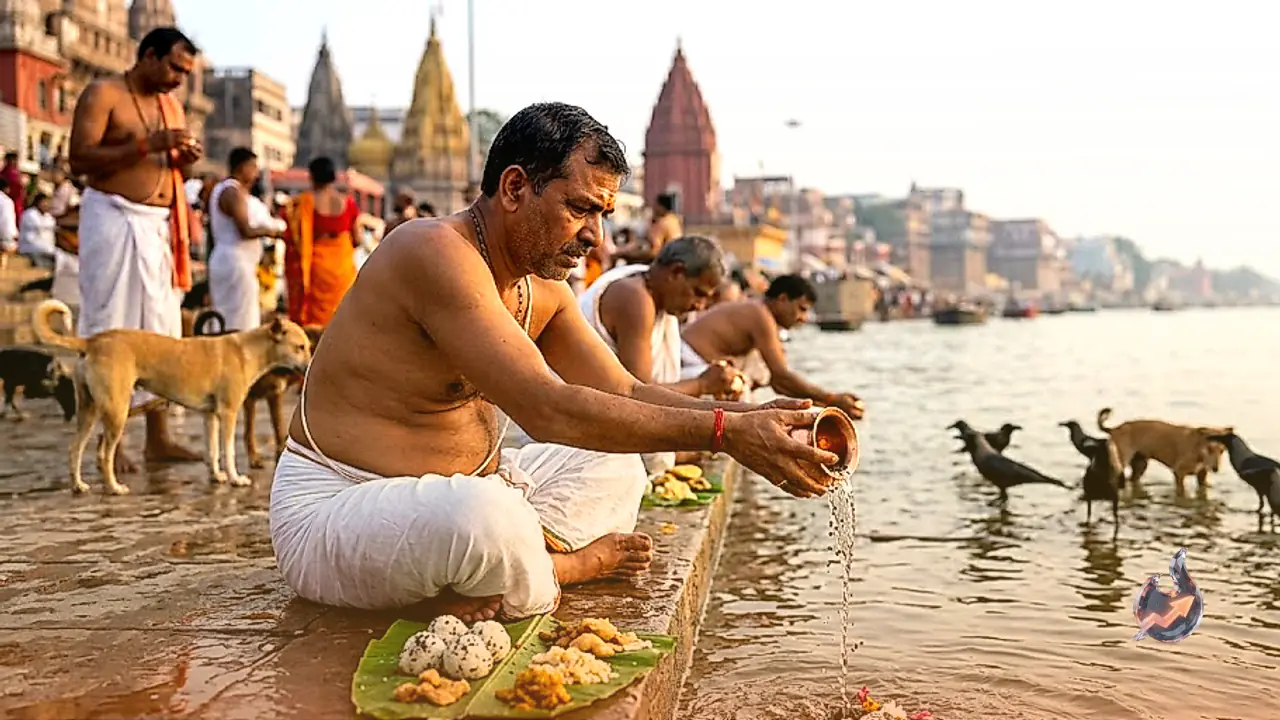
The preparation of the idols of Goddess Nanda and Goddess Sunanda is a highly meticulous process that strictly adheres to ancient Vedic guidelines. The idols are constructed using natural materials, symbolizing humanity's connection with nature. Craftsmen use the trunks of banana trees, along with premium cotton, colorful fabrics, and bamboo sticks, to shape the divine figures. Once completed, these sacred idols are placed upon a pedestal designed in the shape of a tortoise. In Hindu mythology, the tortoise represents stability and cosmic support. The consecration ceremony, known as Pran Pratishtha, is scheduled to take place at Garhi Cantt during the auspicious hours of Brahma Muhurta on the day of Ashtami. This ritual infuses life into the crafted idols, transforming the venue into a powerful center of devotion.
Cultural Extravaganza and Kumaoni Artistry
Following the consecration, the entire Garhi Cantt region will resonate with the traditional sounds of Kumaon. Devotees will participate in folk dances like Jhora and Chachri, which are deeply rooted in the agrarian and social history of the hills. Devotional songs and community prayers will create an atmosphere of collective spirituality. To ensure that the younger generation remains connected to their roots, the organizers have scheduled several interactive events. Children will participate in fancy dress pageants and drawing competitions, where they will paint portraits of Goddess Nanda and Sunanda. A major highlight of these events will be the display of Aipan, the traditional ritualistic folk art of Kumaon. Aipan involves drawing beautiful geometric and organic patterns on floors and walls using red clay and rice paste, symbolizing prosperity and divine welcome.
The Emotional Symbolism of Farewell
The core philosophy of the Nanda-Sunanda worship is deeply emotional and relatable. In the Kumaon hills, the two goddesses are not merely worshipped as distant deities, they are loved and pampered as the daughters of the household. According to local folklore, the goddesses descend from their heavenly abode on the day of Ashtami to visit their maternal home. They stay with their earthly family for three days, during which they are showered with immense love, culinary delicacies, and prayers. On the fourth day, the mood shifts to one of sweet sorrow as the goddesses are bid farewell like married daughters returning to their husbands' homes. Their sacred palanquin, or dola, is taken out in a grand procession through the city streets, allowing thousands of devotees to seek blessings. The festival in Dehradun will culminate on September 23, when the palanquin will make its final journey for immersion in a local water body.
Bridging Communities Across Uttarakhand
Babita Sah Lohani highlighted that the festival has transcended regional identities. While the festival originates from Kumaoni traditions, residents from the Garhwal region have embraced it with equal enthusiasm. This collective participation has turned the event into a grand symbol of unity for the entire state of Uttarakhand. Families from diverse backgrounds gather at Garhi Cantt to witness the rituals, share traditional sweets, and enjoy the rich folk music. By providing a common platform, the Nanda-Sunanda Mahotsav is not only preserving ancient customs but is also fostering a strong sense of community and brotherhood among the hills' diaspora living in the plains of Dehradun.