






















Himachal Pradesh is steadily upgrading its public transportation framework to make it more modern, economical, and environmentally sustainable through the expansion of electric mobility. The state transport authorities are actively strengthening the required charging infrastructure to support a growing fleet of electric buses and ensure seamless travel for daily commuters across various routes.
Massive 122 Crore Infrastructure Push
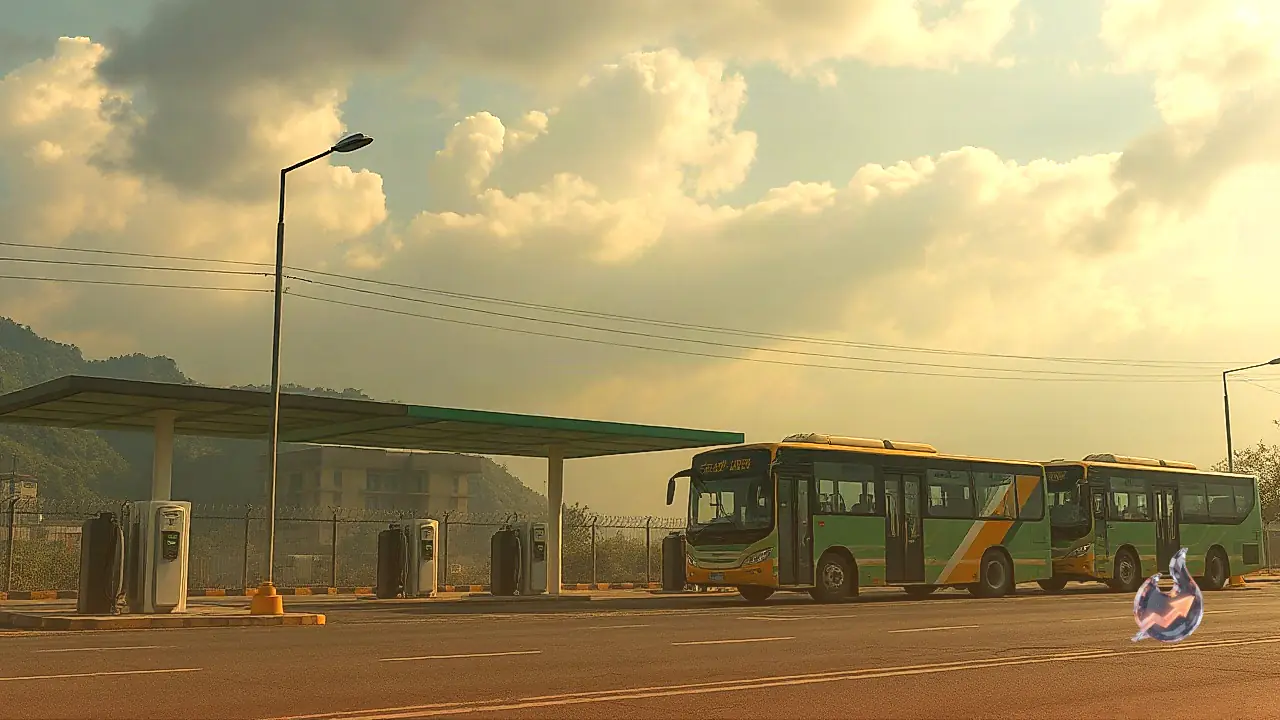
To support the transition towards green mobility, a total outlay of 122 crore rupees is being utilized to establish robust charging infrastructure across the state. Under this comprehensive project, charging facilities are being set up at 80 distinct locations, featuring a total of 99 individual charging points. These stations are being equipped with high-capacity 180-kilowatt fast CCS-2 chargers to significantly reduce charging times for commercial passenger vehicles.
Current Status of Charging Stations
Out of the 80 designated spots planned for the infrastructure rollout, charging stations at 34 locations have already been successfully established and made operational. Furthermore, work on 21 additional locations is slated for completion within the next month, while the installation process for the remaining 25 sites is currently underway. Rather than concentrating solely on major urban centers, these charging points are strategically built within HRTC bus stands and workshops to ensure maximum operational convenience and geographic coverage.
Review Meeting Led by Mukesh Agnihotri
Deputy Chief Minister and Transport Minister Mukesh Agnihotri recently chaired a high-level review meeting with senior officials of the Himachal Road Transport Corporation. During the discussion, he evaluated the ongoing deployment of charging facilities and emphasized that expanding this infrastructure is a crucial step toward building a modern and efficient public transit network. He reiterated that the administration is committed to rolling out necessary facilities in a phased manner to elevate passenger convenience.
Substantial Financial Savings for the Corporation
At present, a total of 297 electric buses integrated into the transport fleet are operating successfully on both short and long-distance routes. The transition to electric mobility has yielded notable financial relief for the corporation. By replacing traditional fuel-powered vehicles with electric buses, the corporation is saving approximately 15 to 16 rupees per kilometer in diesel expenses alone, which significantly eases overall operating expenditures.
Impressive Driving Range and Long-Route Success
While standard electric buses are generally rated to run for about 180 kilometers on a single charge, their practical on-field performance has exceeded expectations on several extended routes. For instance, an electric bus successfully operates on the roughly 270-kilometer long route between Haroli and Chandigarh on a single charge. Similarly, on the approximately 250-kilometer round trip between Shimla and Chandigarh, buses successfully complete the entire journey with about 25 percent battery reserve remaining.