




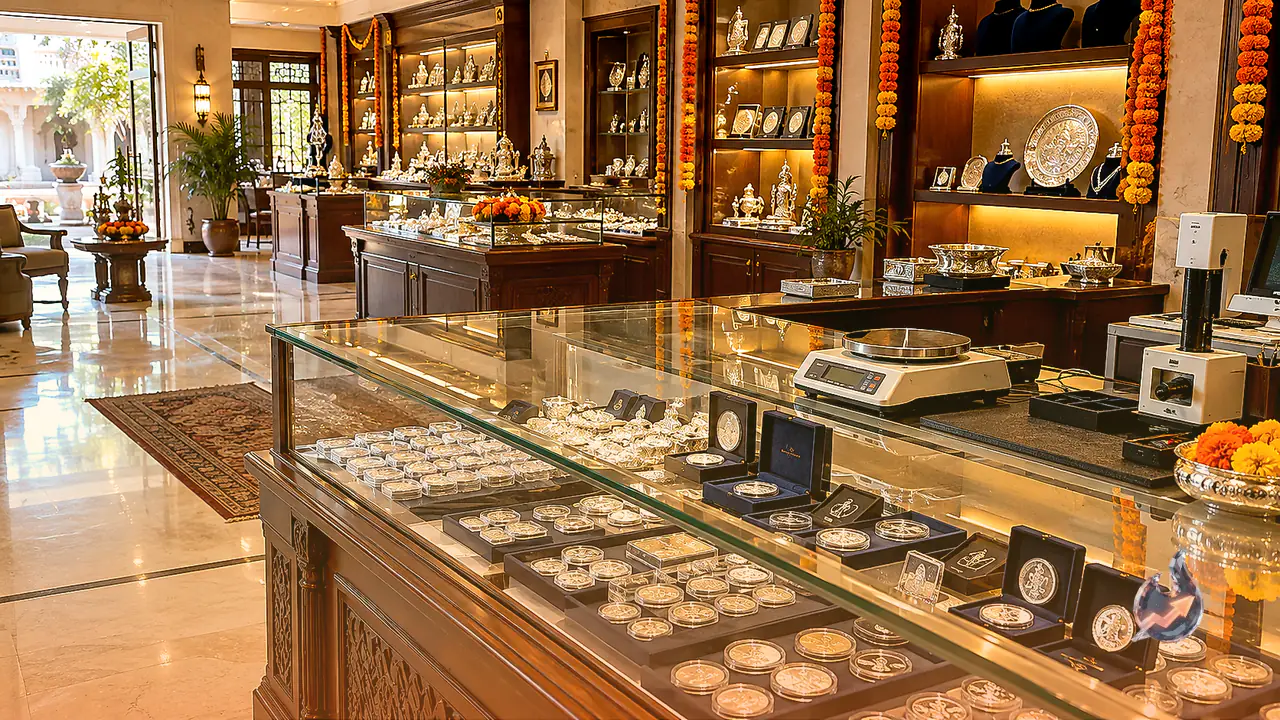


















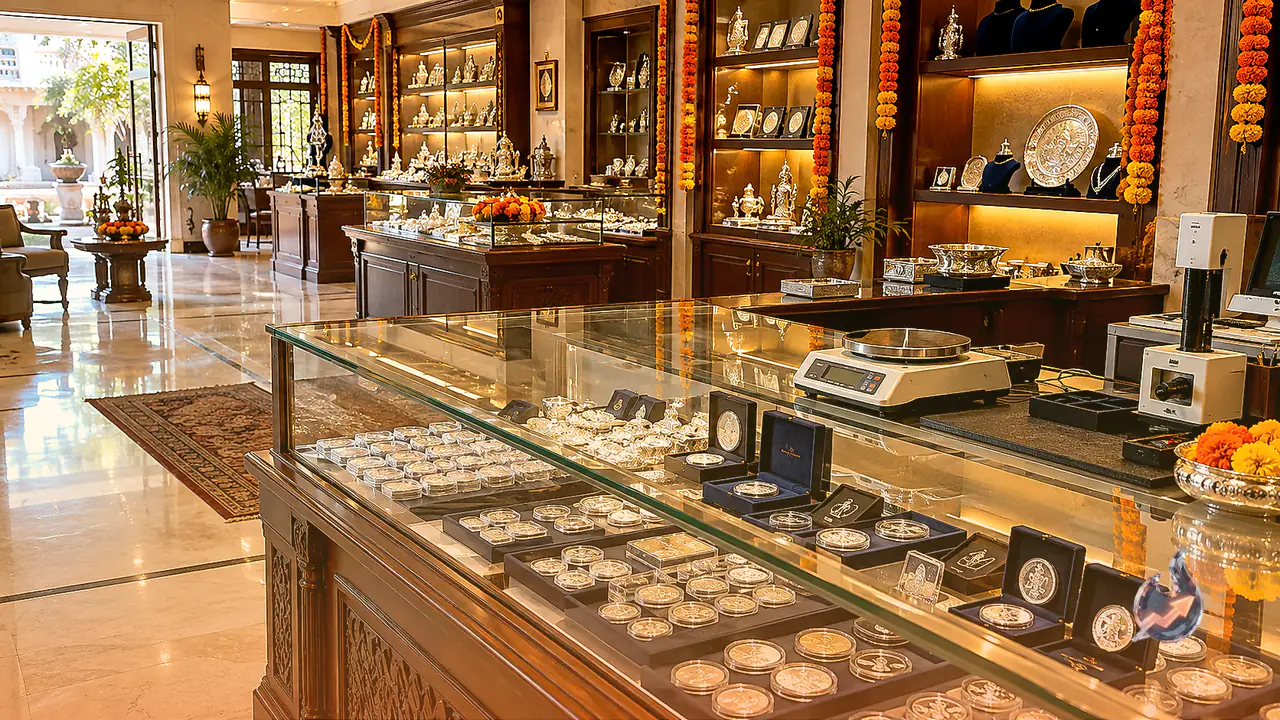

As preparations for the festival of lights gather momentum, households are gearing up for festive rituals and the exchange of gifts. Purchasing silver coins during this period is a longstanding tradition, leading to bustling markets across the country. However, amidst the festive rush, the market often sees an influx of spurious items where base metals are disguised to look like precious silver. If you plan to buy silver coins this festive season, understanding how to verify their authenticity is crucial to avoid getting cheated.
Important alerts from bullion markets
A significant warning has emerged from the bullion market in Rajasthan, highlighting that dishonest sellers are coating cheap metals and gilt with a thin layer of silver to sell counterfeit coins openly. Because ordinary buyers can easily be misled by the bright finish of these items, established gold merchants have shared specific guidelines to help consumers easily verify what they are purchasing.
Avoiding deceptive discount offers
Sharing his perspective, prominent gold merchant Sanjay सोनी noted that having over 28 years of experience in the trade allows professionals to identify silver instantly by sight, but everyday buyers need to be more cautious. He advised that people should purchase silver exclusively from trusted stores where they have established confidence, and avoid falling for cheap promotional offers. Many individuals end up buying fake silver during festivals simply because they get lured by heavily discounted deals.
Using magnets and ice to test silver
One of the most reliable ways to check purity involves using a strong neodymium magnet. Pure silver is non-magnetic, meaning it will not stick to a magnet or get pulled toward it. If the silver item is strongly attracted to the magnet, it indicates a heavy adulteration of iron, nickel, or other metals, or that the item is entirely counterfeit. Another effective method involves placing an ice cube on the silver coin, bar, or wide surface. Because silver has the highest thermal conductivity among metals, an ice cube placed on genuine silver will melt with remarkable speed, almost as if it were placed on a warm surface.
Checking hallmarks and oxidation signs
When purchasing silver items or examining jewellery at home, a magnifying glass can reveal crucial markings. Authentic pure silver items feature a BIS logo along with a purity stamp, alongside the jeweller's identification mark and the hallmarking year code. Additionally, consumers can gently rub the silver surface with a clean white cotton cloth or a blackboard chalk. Real silver naturally oxidizes when exposed to sulfur in the air, leaving a faint dark or grey mark on the cloth or chalk when rubbed. If the surface remains completely bright and leaves no mark whatsoever, the item likely has nothing more than a superficial silver polish.