



















Promising showers across western Rajasthan during July had initially raised the hopes of agrarian households, but a sharp retreat of the monsoon has rapidly turned into an agricultural setback. The prolonged cessation of wet spells has not only decimated standing kharif crops but is now casting a long shadow over the upcoming winter sowing schedule. With underground moisture reservoirs depleting rapidly, growers face tough challenges preparing their seedbeds for the next cycle.
Precipitation Halts Since Early August Across Jodhpur Division
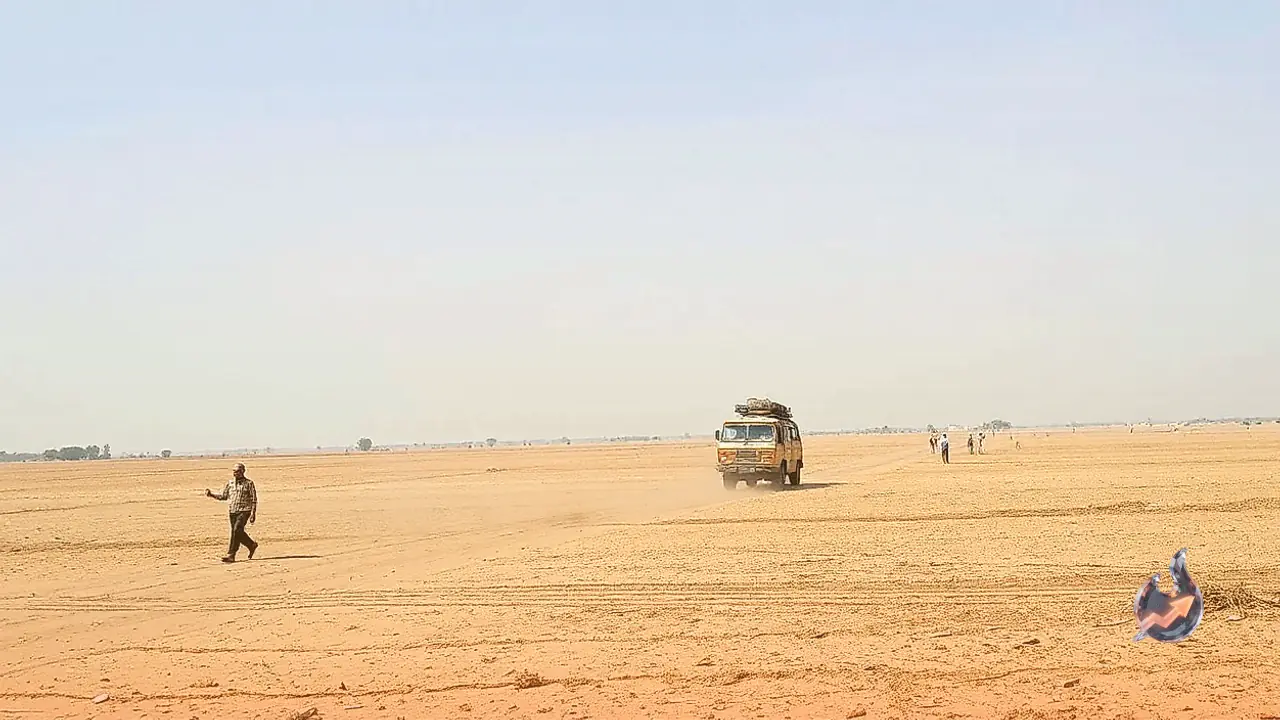
Farm operations began on an encouraging note following robust downpours in July, enabling growers to finish extensive sowing. However, weather conditions deteriorated drastically right after 2 August when rain-bearing clouds virtually dispersed across major parts of the Jodhpur division. Prolonged clear skies and blistering weather left topsoil crusts hardened and devoid of vital moisture.
Dr. H.R. Mahla, Principal Scientist at the Central Arid Zone Research Institute in Jodhpur, noted that after a promising July, rain activity across the division dropped off sharply past 2 August. He explained that this long dry stretch delivered a direct blow to standing farm vegetation while simultaneously disrupting preparatory schedules for the incoming winter sowing operations.
Moong Crops Devastated Across Pali, Jalor, and Barmer
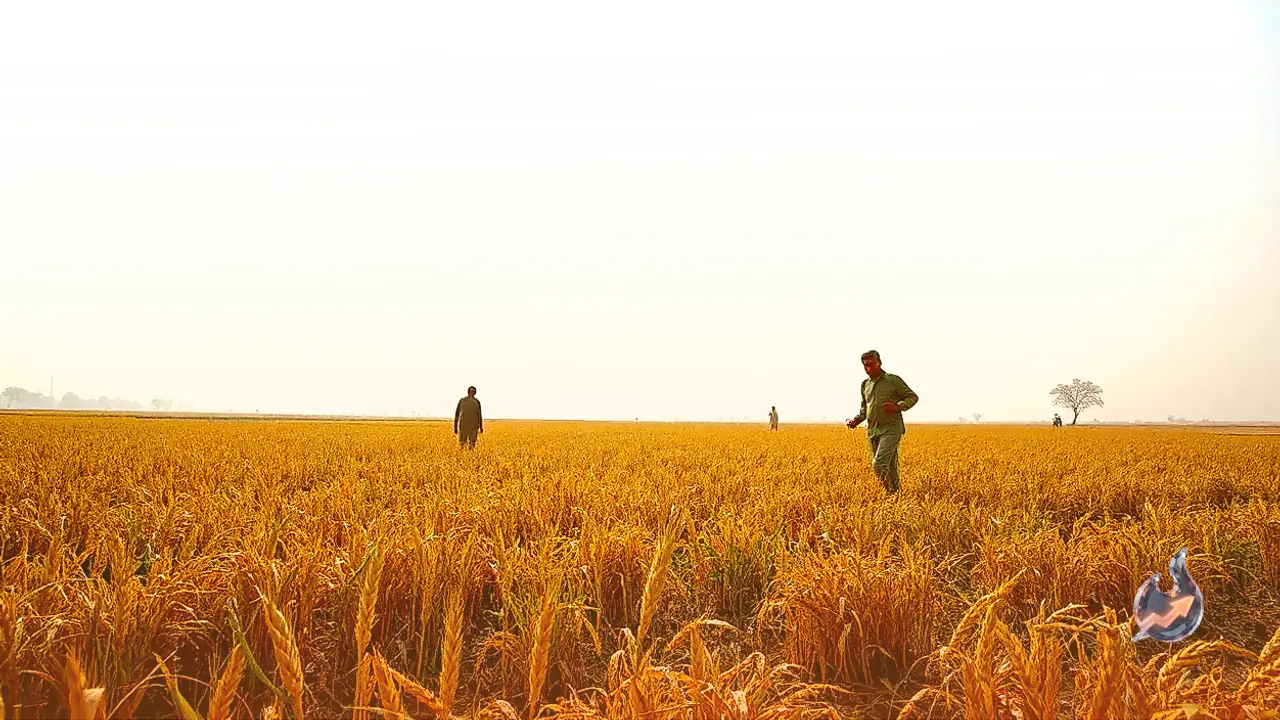
The drought-like stress caused by the sudden dry spell has hit hardest across agrarian belts in Pali, Jalor, and Barmer districts. In these districts, the halt in rainfall triggered acute distress across agricultural landscapes. Kharif pulse acreage suffered catastrophic setbacks, with moong crops bearing the heaviest losses. The timing of moisture starvation coincided with flowering and pod formation stages, shriveling standing plants and leaving cultivators struggling even to recoup basic expenses incurred on seeds, tilling, and fertilizers.
Depleted Subsoil Moisture Shrinks Acreage for Mustard and Gram
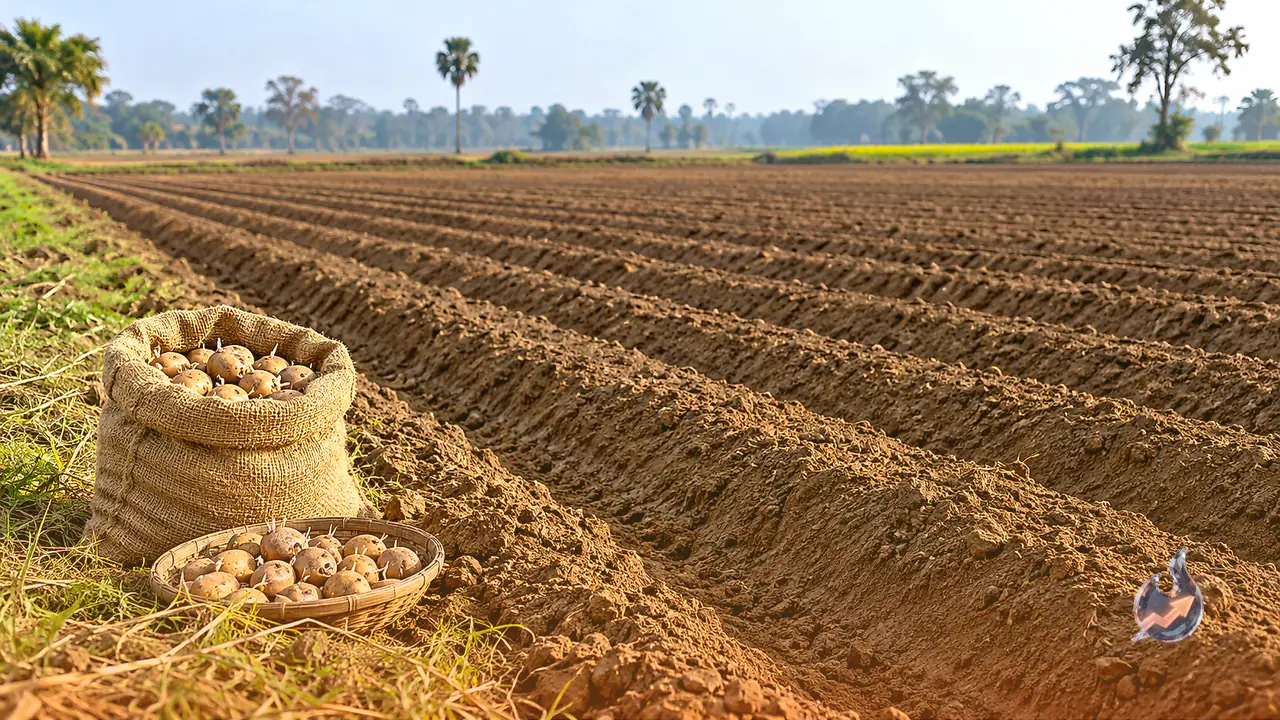
The consequences of this erratic monsoon will ripple far beyond the immediate kharif season into upcoming winter cropping. Rural cultivators throughout Marwar and adjoining tracts traditionally rely on residual moisture conserved naturally within soil layers after seasonal downpours to initiate winter planting.
With rains drying up since August, this natural moisture cache has vanished across parched plots. Soil exhaustion has raised alarms among agricultural scientists, who warn that sowing acreage for key rabi staples including gram, taramira, and rayda (mustard) is poised to shrink significantly this year as farmers face dry seedbeds.
Agronomic Guidance and Water Management Strategies
To help farmers mitigate recurring agricultural shocks and sustain output despite scarce soil dampness, farm scientists have outlined strategic interventions
- Opting for Less Thirsty Alternates: On land parcels with acute moisture deficits or where external irrigation sources are absent, cultivators should steer clear of heavy water-consuming staples. Preference should go to hardy substitutes such as cumin, isabgol, or fenugreek, which thrive on low moisture and do not need recurrent watering schedules.
- Sowing Shorter-Duration Varieties: Where marginal water reserves exist, growers are advised to consult agronomists and choose fast-maturing hybrid or indigenous seed varieties that reach maturity well before moisture completely runs out.
- Planking and Mulching for Soil Sealing: Wherever minimal dampness lingers below the surface, farmers should quickly harrow the ground and run a plank (suhaga) across top layers to seal surface crusts. This barrier prevents moisture loss via atmospheric evaporation. Covering the earth using dry farm residues or weed debris also provides effective protective mulching.
- Switching to Micro-Irrigation Tools: For farmers possessing access to borewells or farm diggis, avoiding flood irrigation is vital. Deploying drip lines or sprinkler setups ensures higher distribution efficiency across broader areas with minimal discharge. Water delivery should be restricted strictly to critical growth milestones where hydration is irreplaceable.