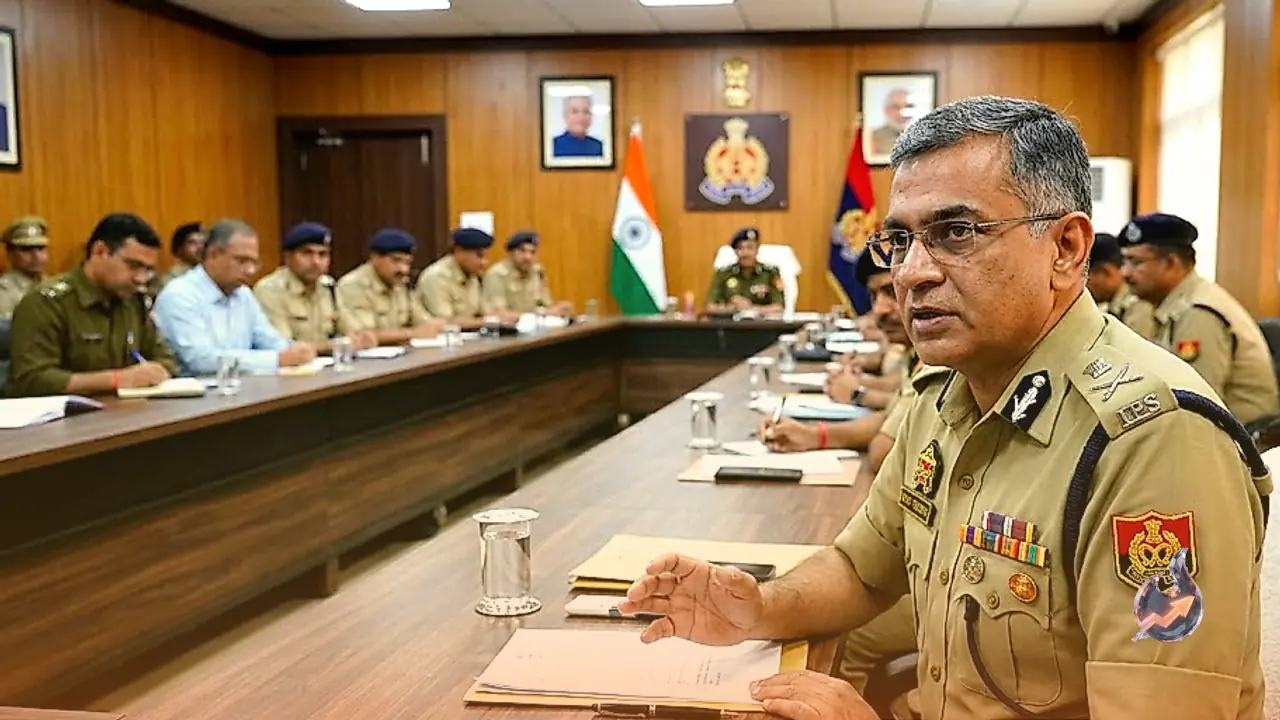
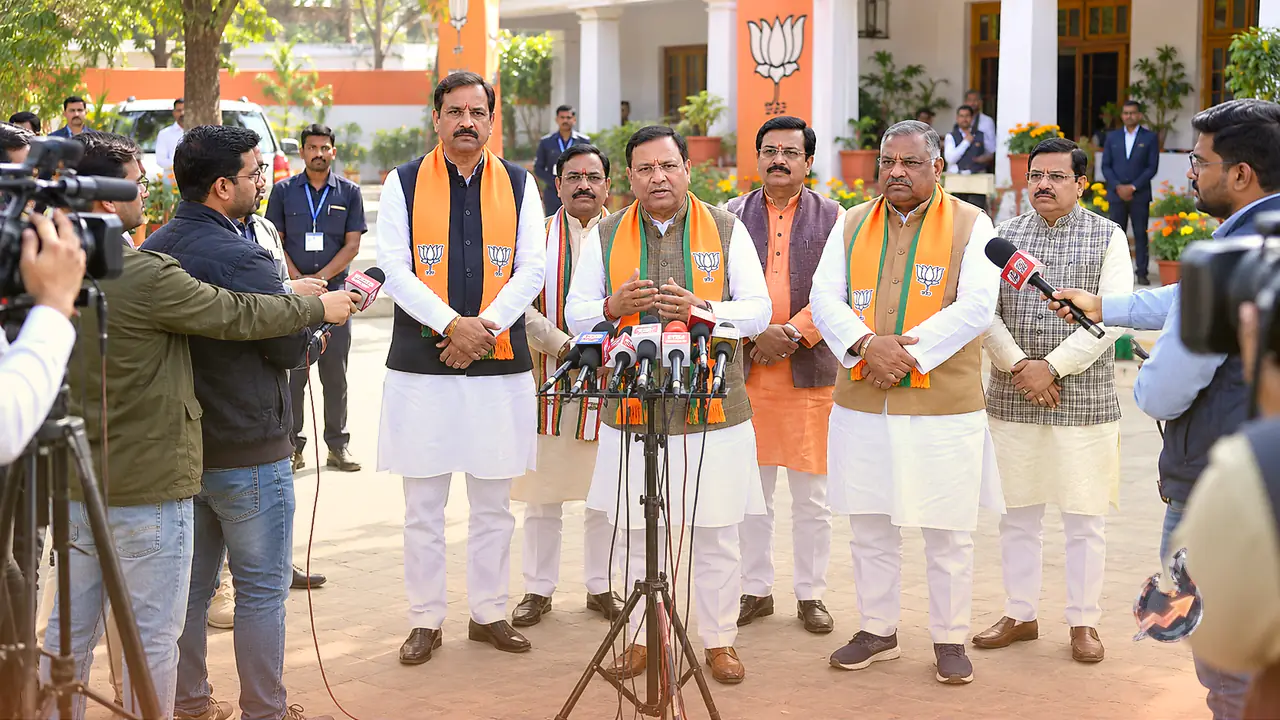



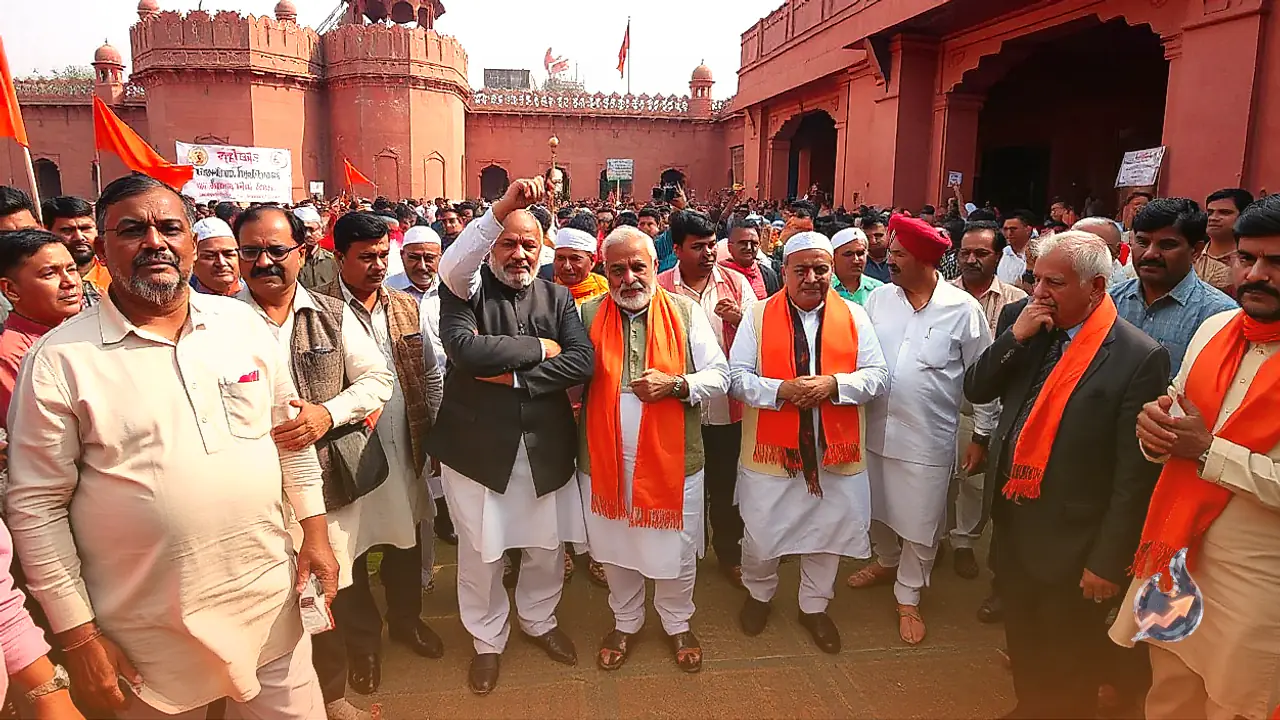














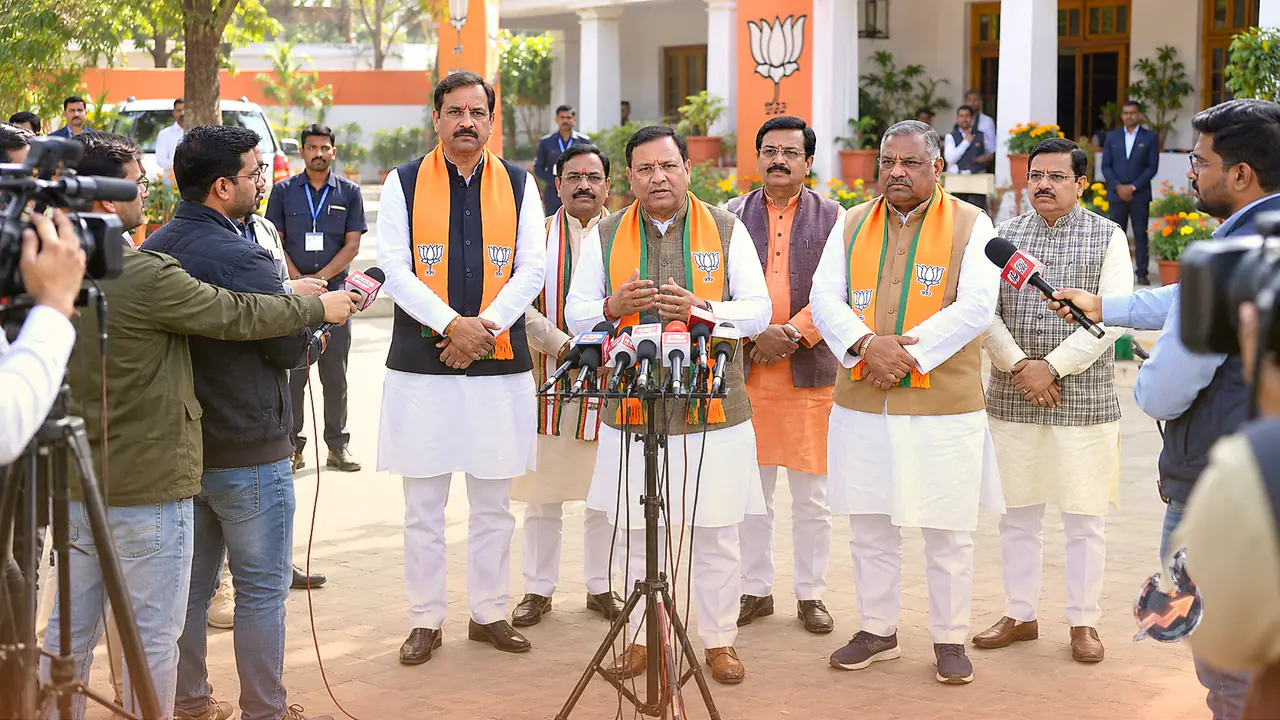

Assembly elections are slated to take place in Uttar Pradesh in the coming months. Amidst preparations, intense discussions have surrounded the political landscape regarding whether the ruling party will deny tickets to a large number of its incumbent members of the legislative assembly. In this context, Uttar Pradesh Bharatiya Janata Party chief Pankaj Chaudhary addressed these speculations in an interview, shedding light on the internal selection criteria and candidate shortlisting processes. He made it clear that there is no predefined formula dictating that 40 percent or any fixed quota of sitting legislators will be dropped.
Collective Decision Making Tradition Within the Party
Detailing the organizational framework, Chaudhary emphasized that the political outfit does not belong to any single family, individual, or couple. Decisions within the party are arrived at collectively through established institutional channels. Local district presidents play a vital role in this evaluation process, alongside regional organization chiefs. Ground-level inputs and feedback are systematically gathered from multiple stakeholders before any final conclusions are drawn regarding electoral candidacies.
A Historical Anecdote Involving Kalyan Singh
Recalling past political events to explain the selection dynamic, Chaudhary referred to the assembly elections held in 1993. Having become a Member of Parliament in 1991, he was relatively new to the organization when Kalyan Singh served as a prominent leader. At that time, candidate lists containing panels of three names for every single constituency were forwarded from the districts. With final decisions pending, party leaders often sought discreet locations in New Delhi away from eager ticket seekers to deliberate calmly.
Secret Deliberations Behind Locked Doors
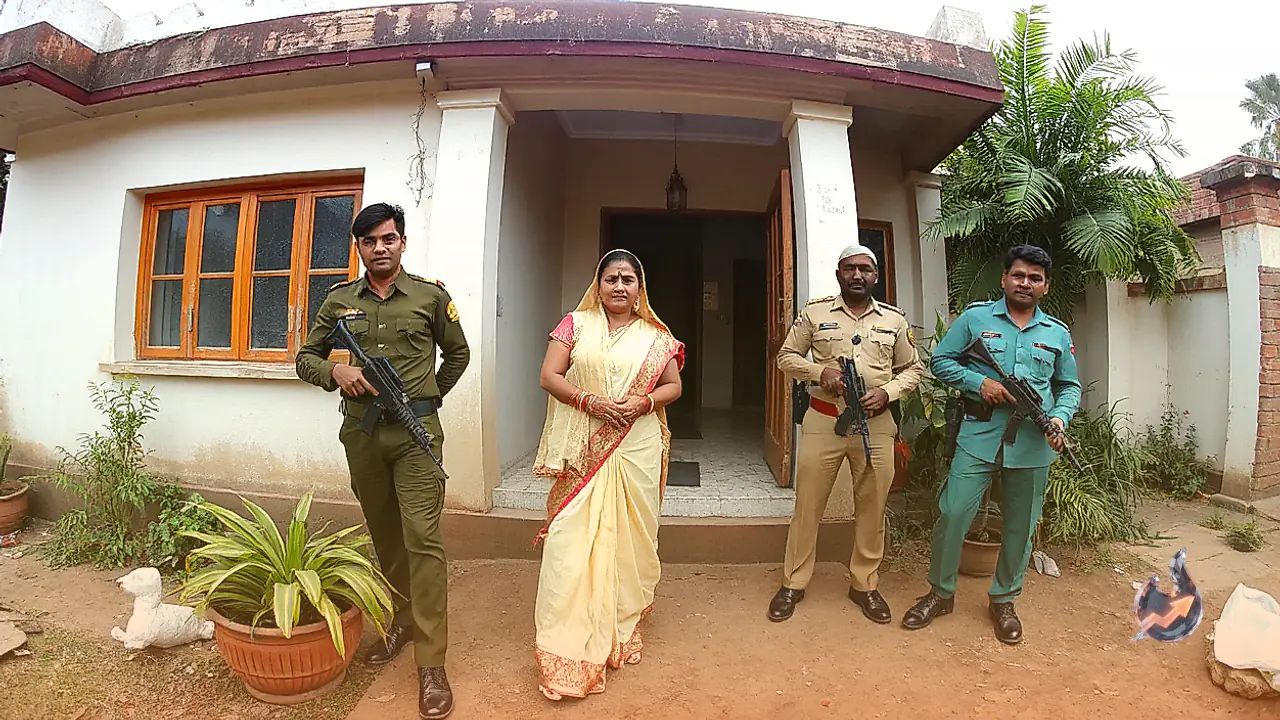
Recounting how meetings were conducted in the past, Chaudhary shared an instance when Kalyan Singh inquired about his whereabouts and subsequently visited his residence. Security personnel accompanied the senior leader, joined shortly thereafter by Kalraj Mishra and other key members participating in the parliamentary board meetings. Arrangements including a typewriter were set up inside the house, and strict instructions were given to lock the main gates to prevent unauthorized entry while candidate discussions took place.
Offering Guarantee on Specific Assembly Seats
With the meeting convened at his residence, Chaudhary decided to bring up matters pertaining to his home district, despite Singh having independent information-gathering mechanisms. He assured the senior leader that if five tickets were allocated according to his recommendations from the existing panel, he would successfully ensure the victory of at least four candidates. Singh noted down the names in his diary and instructed Chaudhary to record the exact date and time, adding that any failure would invite appropriate disciplinary consequences.
Outcome Validation and Focus on Winnability
The assessment proved accurate when the election results were announced, as four of the five recommended candidates secured victories. Chaudhary noted that winnability remains the ultimate objective, and he refrains from lobbying for close associates if their electoral prospects appear weak. This successful evaluation built trust among senior leadership, leading to similar consultative processes in subsequent election cycles, including the polls held in 1996 and 1999.
Addressing Health Rumors of Incumbent Lawmakers
Illustrating how misinformation is countered, Chaudhary recounted an incident involving Rampal Singh, who served as the Member of Parliament from Siddharthnagar. Despite rumors spread by political opponents claiming that Singh was bedridden due to a cardiac episode and unable to contest elections, Chaudhary personally facilitated his medical checkup and advised him to submit a fitness certificate. This proactive step ensured that genuine health status was communicated to the leadership, allowing the candidate to secure the ticket.
Denial of Any Percentage-Based Ticket Cutting Formula
Concluding his remarks, the state BJP chief reiterated that candidate selection is driven purely by the objective of winning elections rather than arbitrary numerical quotas. Reviews are conducted thoroughly across various party forums, ensuring that individual performance and local electoral viability take precedence over generalized assumptions of widespread ticket cancellation.