
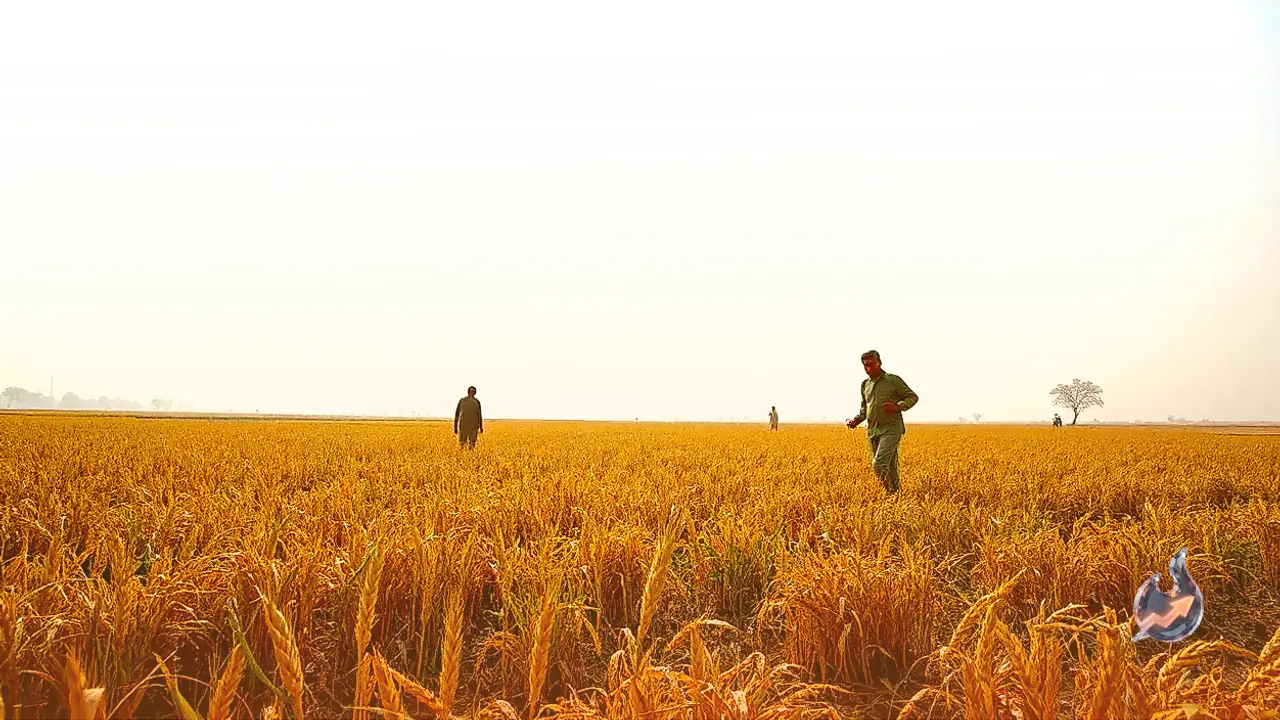
















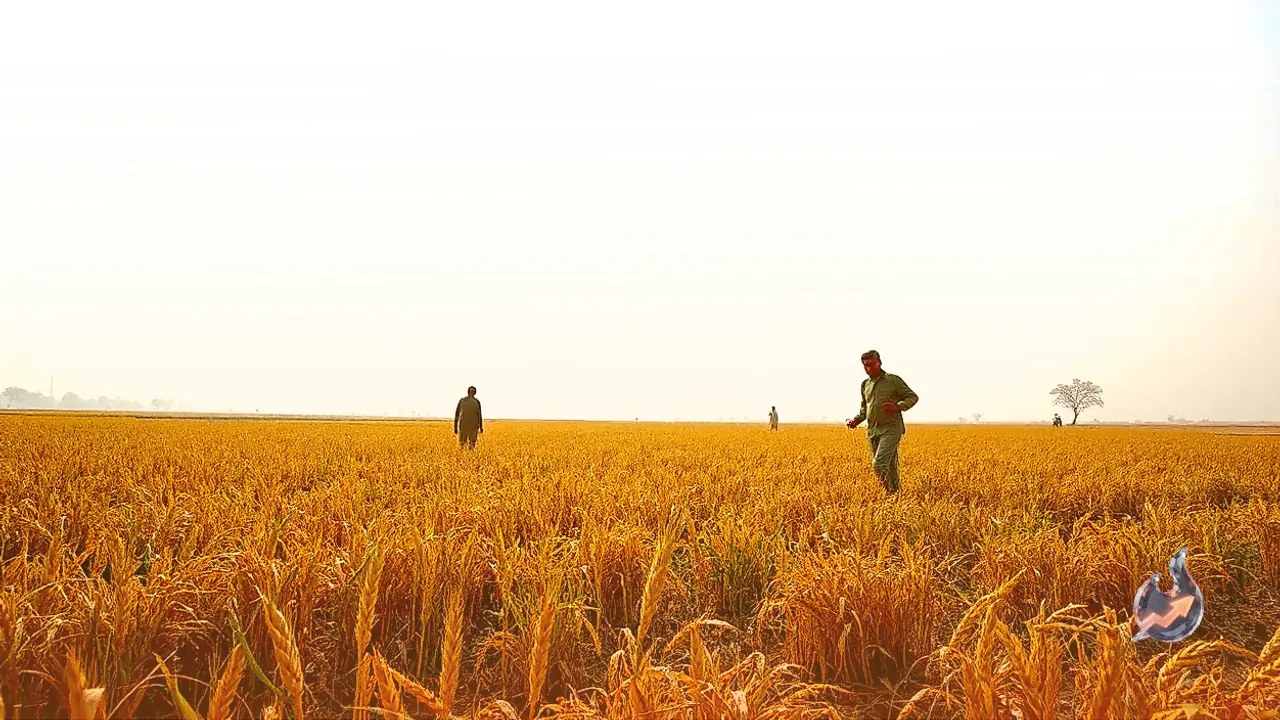

Finger millet, locally known as marua, is once again capturing the attention of farmers in the Mithilanchal region after vanishing from local fields over time. While the younger generation might not even recognize the crop today, its exceptional nutritional value and rising market demand are driving a remarkable agricultural revival across the area. Farmers are eagerly returning to this traditional crop as changing consumer habits create lucrative new commercial opportunities.
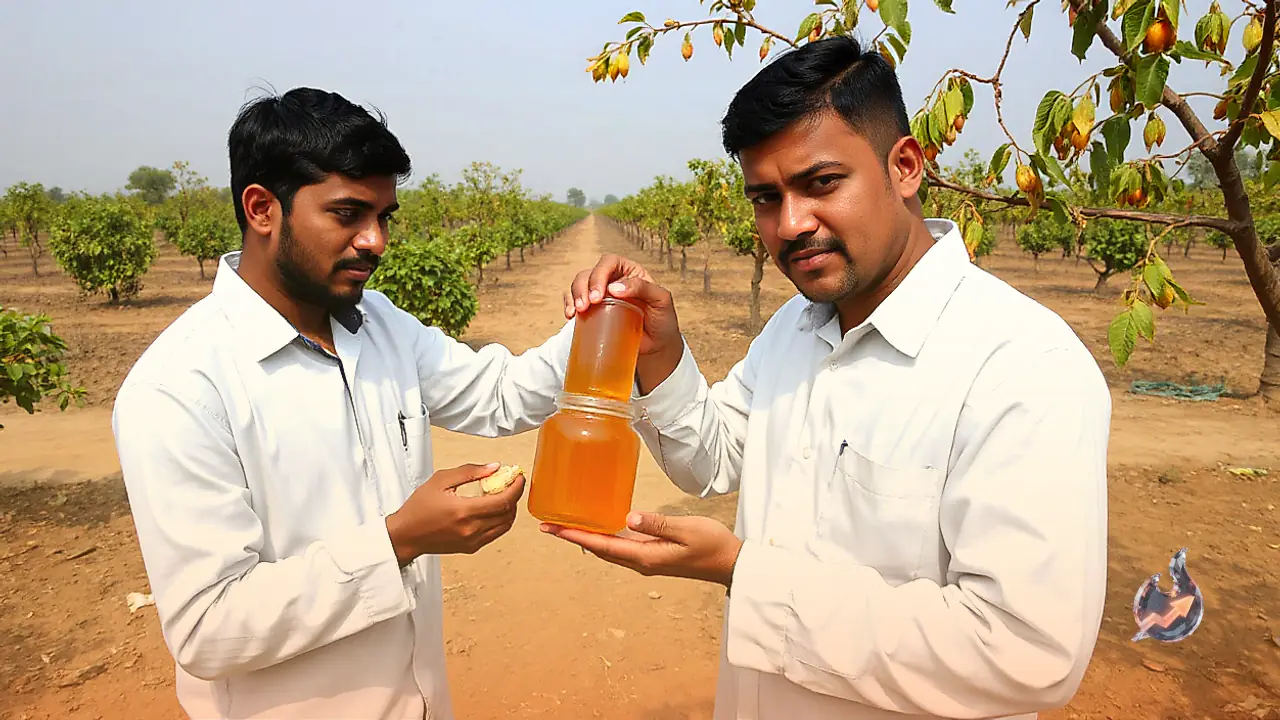
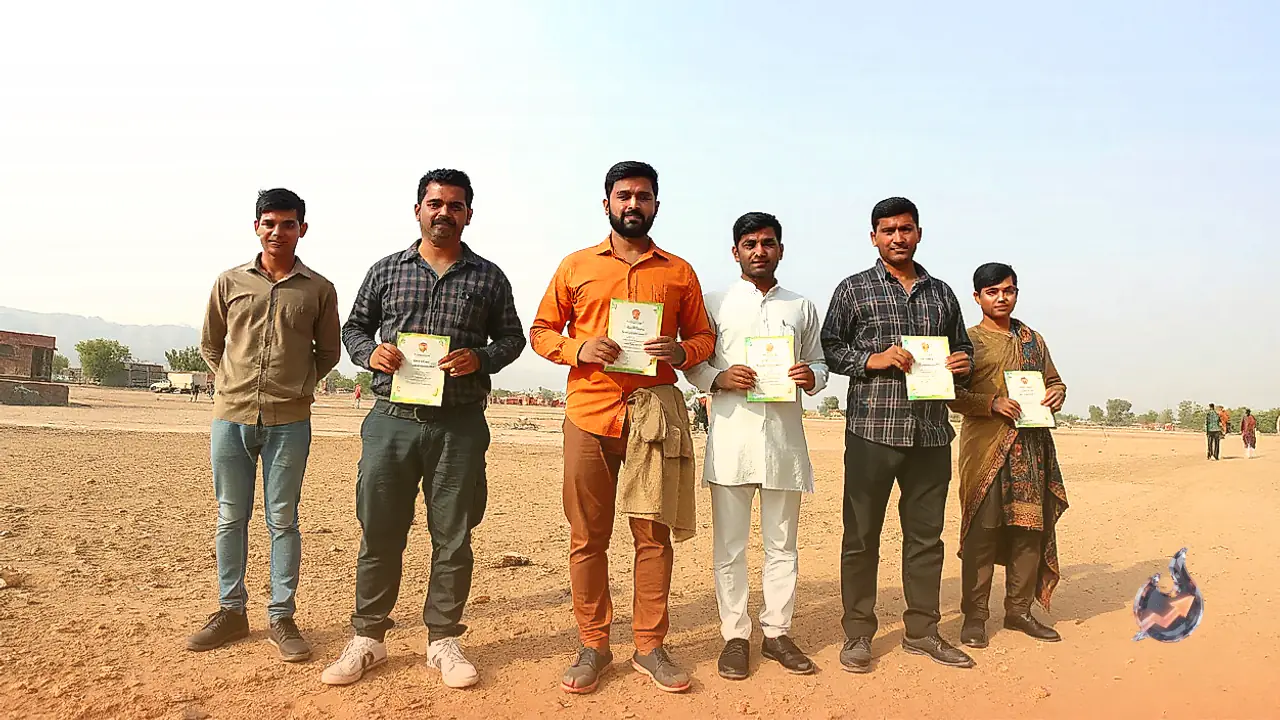
Pankaj Kumar Yadav, a farmer based in Darbhanga district, is actively cultivating marua in his fields. He points out that the tiny grains are packed with dense nutrition, making them exceptionally good for digestive health while simultaneously providing sustained physical strength to the body.
A nutrient-dense superfood rich in calcium and iron
Often referred to as a poor man's superfood, finger millet contains essential nutrients including calcium, iron, and dietary fiber. It is considered particularly beneficial for women's health due to its high natural iron content, addressing nutritional gaps effectively.
According to Pankaj Kumar Yadav, the crop requires relatively low financial investment compared to other commercial farming ventures. Furthermore, it thrives and yields a healthy harvest even with minimal irrigation water. This combination of low production costs and hardy growth makes it an ideal alternative income source for regional growers.
Festive demand and shifting health awareness
A major catalyst behind the resurgence of finger millet farming is the traditional Jitiya festival. During this observance, the demand for the grain spikes significantly as households prepare ritual flatbreads and offerings, ensuring that cultivators secure favorable market prices during the festive window.
In the past, consuming finger millet was occasionally associated with social backwardness, but modern nutritional awareness has completely transformed public perception. Pankaj Kumar Yadav notes that the grain is now widely recommended for managing conditions like diabetes, obesity, and bone weakness. Consequently, urban consumers have started demanding the crop in larger quantities. Reviving this traditional harvest not only preserves agricultural heritage but also offers a low-cost, high-return economic opportunity for farmers throughout Mithilanchal.