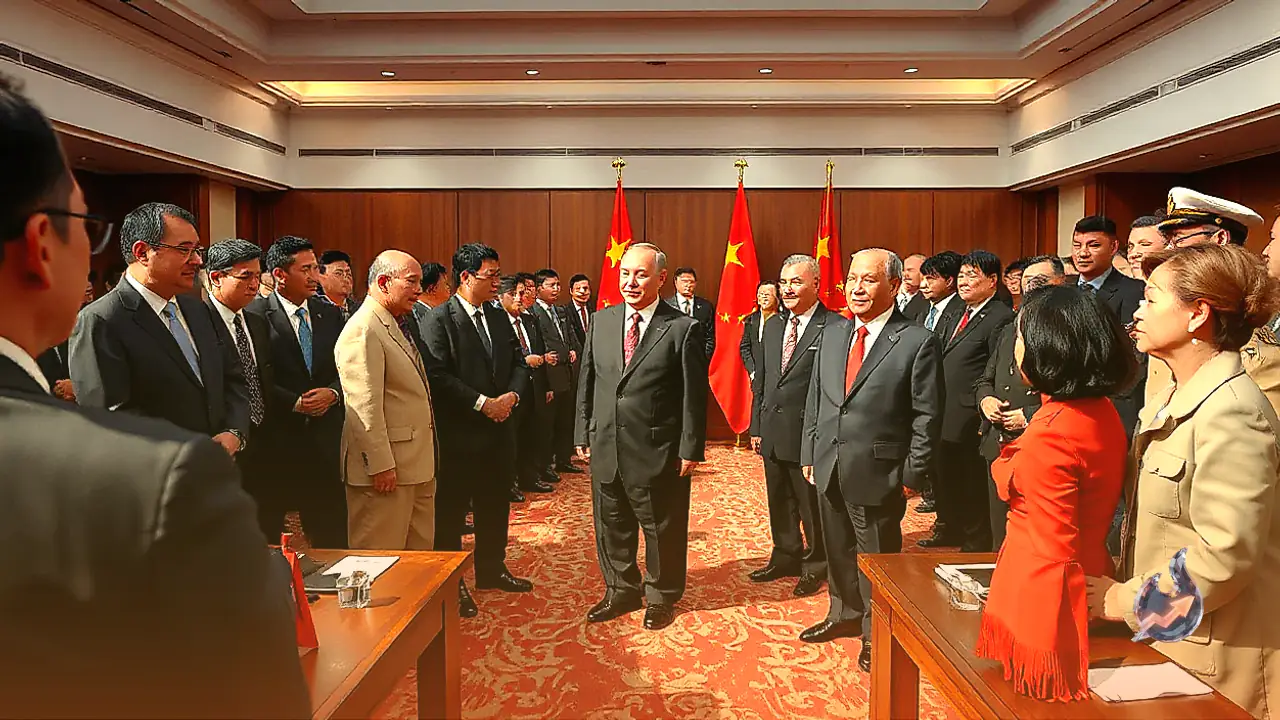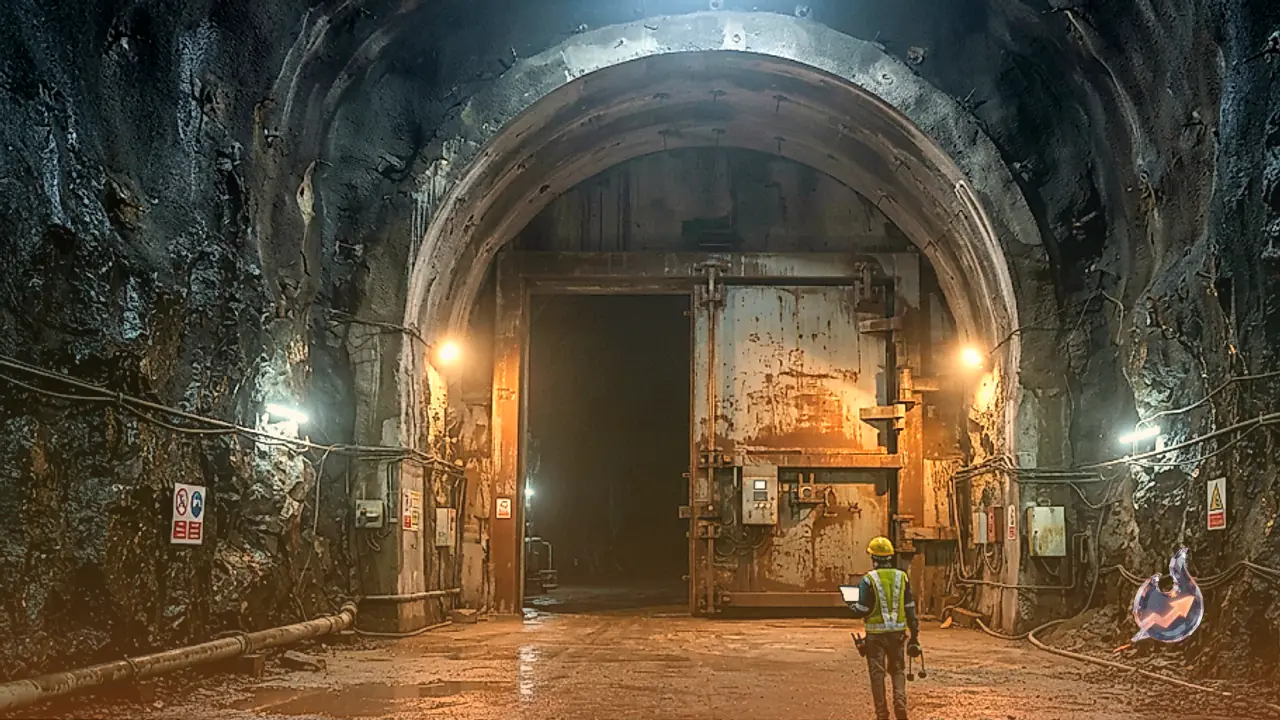

Amid heightened geopolitical tensions in the Middle East and severe disruptions around the Strait of Hormuz, Petroleum Minister Hardeep Singh Puri highlighted the resilience of India's energy infrastructure. Speaking at the Annual General Meeting of FICCI, Puri revealed that even in a worst-case scenario where all crude oil and natural gas imports were completely cut off alongside a total halt in domestic production, India possessed adequate strategic reserves to sustain the nation's energy demands for roughly 60 days. This capability underscores the country's proactive preparedness in navigating global supply chain shocks.
Hormuz Bottleneck and Managing Domestic Fuel Supplies
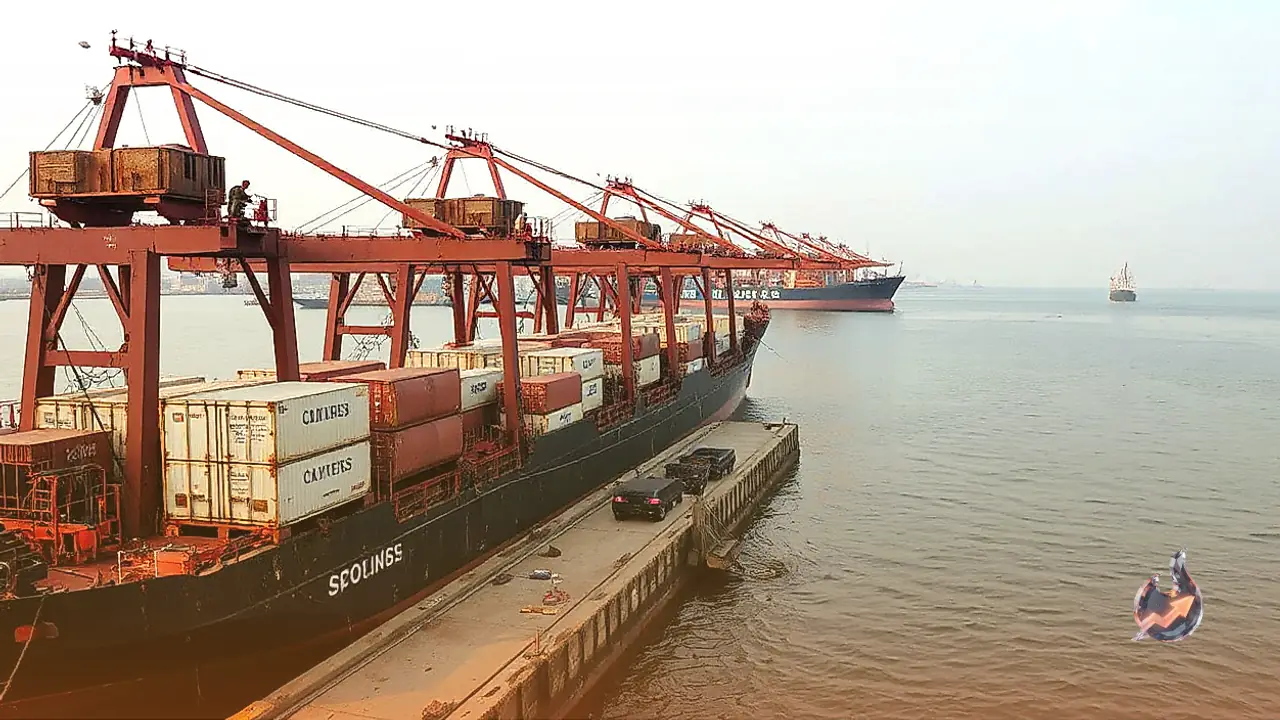
The closure of the Strait of Hormuz on February 28 triggered severe instability in international energy markets, restricting the transit of crucial crude oil and natural gas shipments. While India managed to stabilize its crude oil and natural gas supplies through calibrated reserve management, ensuring a steady flow of Liquefied Petroleum Gas (LPG) emerged as a complex logistical challenge. India relies on imports for nearly 90 percent of its total domestic LPG consumption, sourcing the majority of these shipments from Persian Gulf nations including Qatar, the United Arab Emirates, and Saudi Arabia. Consequently, any prolonged maritime blockage in the passage posed an immediate risk to household energy supplies.
Ramping Up Domestic Output and Maintaining Network Stability
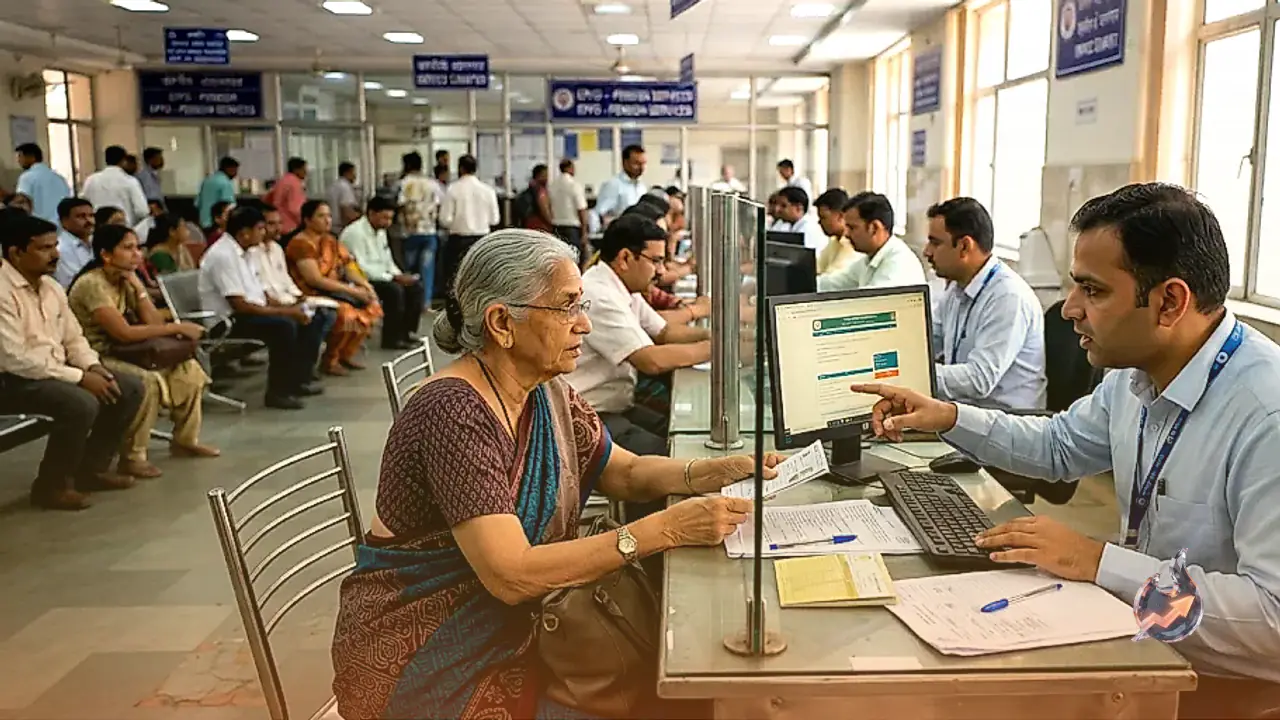
To counter potential shortages and stabilize domestic distribution, emergency measures were deployed to boost local processing. Domestic LPG production was rapidly expanded from 35,000 tonnes per day to 55,000 tonnes per day. Fueled by public panic and hoarding concerns, daily LPG cylinder bookings surged dramatically from a baseline of 52 lakh to nearly 92 lakh units. To curb panic buying and prevent black-marketing, regulatory oversight was tightened while petroleum marketing firms conducted daily operational assessments to streamline additional LPG consignments. As a result of these coordinated actions, none of the country's nearly 1.07 lakh petrol pumps experienced inventory depletion, ensuring uninterrupted retail fuel availability across all regions.
Expanding Oil Refining Capacity and Petrochemical Projections
India is actively advancing its infrastructure to establish itself as a premier global oil refining hub while enhancing long-term national energy security. The country's current operational refining capacity stands at approximately 26.7 crore tonnes (267 million metric tonnes) annually. Officials aim to elevate this capacity to 32 crore tonnes per year within the next two years, with a long-range strategic target of reaching 45 crore tonnes annually. Parallelly, domestic petrochemical consumption is projected to experience substantial growth. Rising from the present operational capacity of roughly 3.64 crore tonnes, demand is expected to reach 5.5 crore tonnes annually by 2030, and could scale up to 12 crore tonnes by 2047.
Transition to Clean Energy Alternatives and Geopolitical Statements
In tandem with expanding conventional capacity, India is accelerating its transition toward renewable and alternative energy streams to reduce its reliance on imported fossil fuels. Key initiatives focus on promoting biofuels, compressed biogas, natural gas, and green hydrogen. India has already accomplished its target of 20 percent ethanol blending in petrol. Furthermore, the production cost of green hydrogen has been successfully brought down from around $5.40 per kilogram to approximately $3 per kilogram, with ongoing efforts targeting a further reduction to $2.50 per kilogram.
Meanwhile, the geopolitical commentary surrounding the Strait of Hormuz saw notable developments. US President Donald Trump commented on his social media platform Truth Social, suggesting that given the strategic oversight exercised by the United States over the waterway, the passage should potentially be renamed 'Trump Strait'. India's strategic reserves and diversification efforts reflect a robust framework capable of insulating the domestic economy from international energy vulnerabilities.