



















With signs that the situation in West Asia is finally calming down, Iran has put an old but pressing issue back on the table. Tehran says billions of its dollars are locked up across several countries, and it is in continuous talks to bring that money home. The name drawing the most attention on that list is India's.
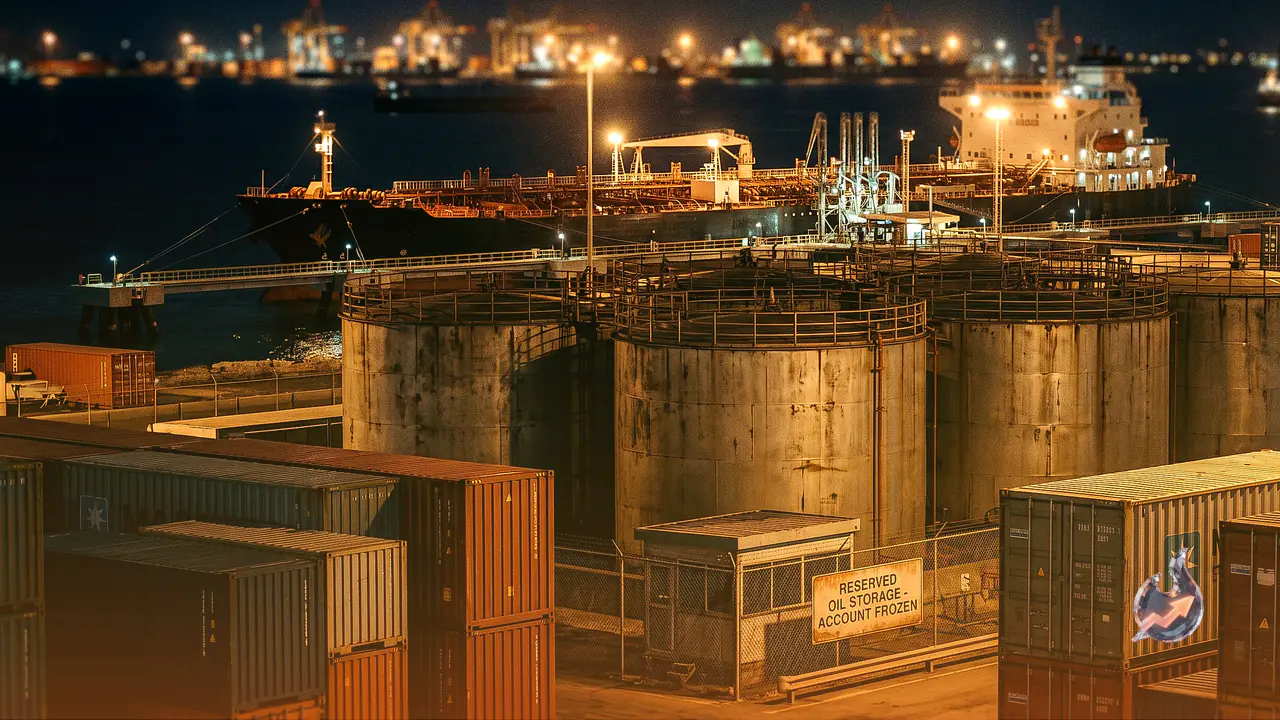
Close to $7 billion belonging to Iran has been stuck in India for a long time. This money is tied mainly to crude oil that India bought from Iran years ago but never fully paid for.
The Root Lies in a 2018 US Decision
To understand this tangle, you have to go back to 2018. That year, then US President Donald Trump pulled the United States out of the nuclear deal signed with Iran. Soon after, harsh economic sanctions were slapped back onto Iran.
The blow did not land on Iran alone. Every country doing business with it suddenly faced trouble too. At the time, India was counted among the biggest buyers of Iranian oil. As a result, making payments became extremely difficult for Indian banks and companies, and a large sum ended up frozen midway.
Why India Could Not Send the Money
The real catch here is the dollar. A huge share of the international oil trade is conducted in US dollars. The grip of America's financial system is so strong that banks breaking the sanctions can be shut out of the global payment networks altogether.
That fear forced Indian financial institutions to halt oil payments to Iran. India's options were severely limited, because ignoring the US sanctions would have meant risking serious financial damage to Indian banks and companies.
Not Just India, Iran's Money Is Stuck in Many Countries
This problem is not confined to India alone. Large amounts of Iranian money are also said to be stuck in China, Iraq, Japan, Qatar and a few other countries. The biggest chunk is believed to be locked up in China. In South Korea, an attempt was indeed made earlier to transfer some of the held funds, but shifting geopolitics and fresh sanctions left several payment processes unfinished.
Iran itself claims that its total frozen assets abroad could run as high as $100 billion, though many experts believe that figure is exaggerated beyond the real amount.
Why This Money Matters So Much to Iran
For an Iran that has been battling sanctions and economic pressure for years, these funds are nothing short of a lifeline. Even if part of the frozen amount comes through, it could bring relief to its struggling economy. Cash in the domestic market would rise, government spending would get support, and stalled foreign trade could pick up pace. That is exactly why Iran keeps making diplomatic moves to free up these assets.
What It Means for India-Iran Ties
India and Iran share old and deep ties across energy, trade and strategic cooperation. Against that backdrop, the issue of these frozen payments could remain a key part of the economic conversation between the two nations in the years ahead. The reassuring point is that this is not seen as India's fault, since the real reason for the halted payments was the US sanctions.
All eyes are now on whether the ongoing talks between Iran and the United States can open a path to finally release this money that has been stuck for years.