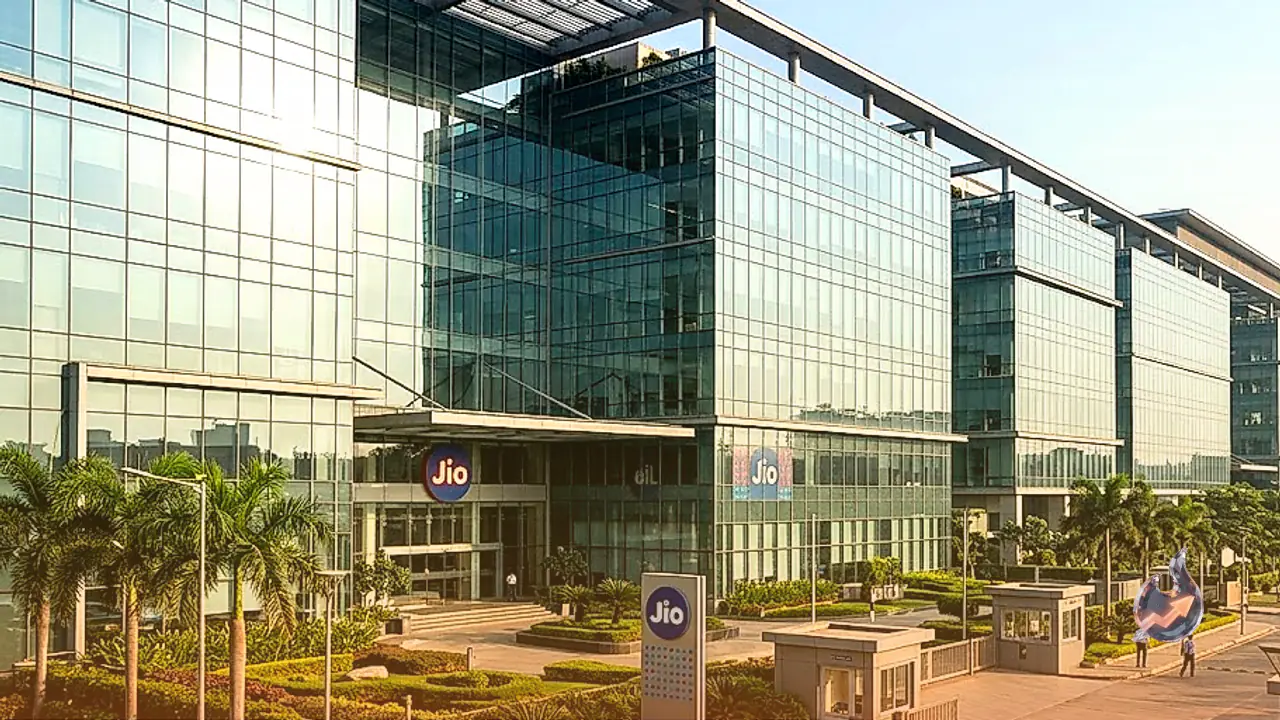






















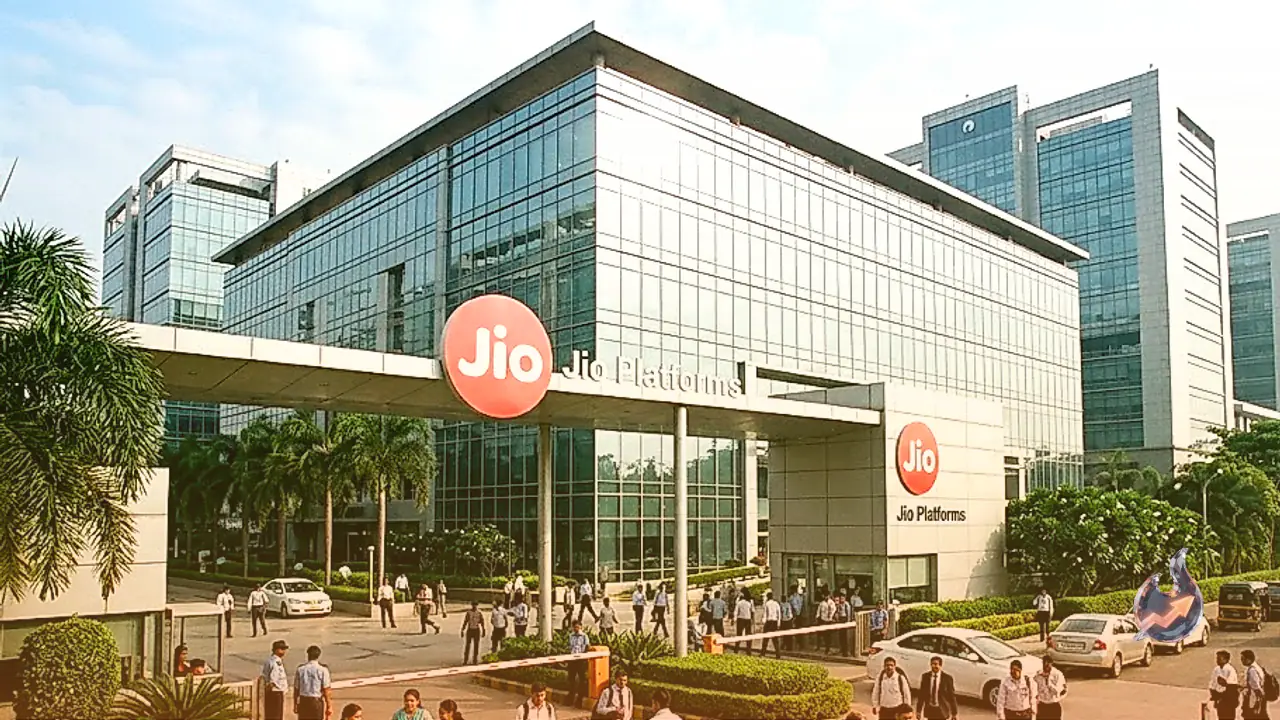

Investor anticipation surrounding the public listing of Jio Platforms has reached historic heights as the subscription period approaches. The mega initial public offering worth Rs 30,213 crore is slated to open for bidding on Wednesday, 21 October, and will conclude on 23 October. Final allotment of shares will precede the formal secondary market debut scheduled for 28 October. The offering comprises an entirely fresh issue of 27 crore equity shares, structured within an established price corridor spanning from Rs 1065 to Rs 1119 per share.
A central pillar of the public issue involves significant balance sheet deleveraging. From the gross proceeds generated through the issue, Jio Platforms has committed to directing Rs 27,500 crore specifically toward the voluntary early retirement of outstanding borrowings held by its primary operating subsidiary, Reliance Jio Infocomm Limited. Market participants highlight that eliminating this debt will yield immediate reductions in recurring finance expenses, unlocking enhanced net margins and expanding free operating liquidity.
Unofficial Market Indicators and Lot Profit Estimates
Trading in the grey market indicates elevated expectations for opening-day performance. Quotations gathered on 19 October pegged the grey market premium at Rs 252 per share. Measured against the upper issue ceiling of Rs 1119, this margin translates to an estimated premium of approximately 22.52 percent. At this elevated valuation, unofficial trades imply an effective market price of around Rs 1371 per share upon listing.
For participating retail investors, the minimum order threshold is fixed at a lot size of 12 equity shares. Calculating on the basis of the upper valuation cap alongside the prevailing Rs 252 premium, each successful allotment of a single lot represents a theoretical listing day profit of Rs 3024. Nevertheless, market veterans caution that grey market rates represent an unregulated and speculative barometric measure. Such unofficial quotes reflect immediate sentiment among private dealers and do not carry regulatory validity or provide guaranteed price realization at the time of official exchange listing.
Anchor Bidding Overwhelmed by Thirtyfold Inflow
The institutional backing for the issue became evident during the exclusive anchor investor allocation window opened on Monday. Sovereign wealth funds, global pension pools, and major domestic asset management entities submitted bids totaling more than Rs 2.5 lakh crore. This deluge of institutional capital competed against an available anchor allocation pool of Rs 8110 crore, registering an oversubscription rate of more than 30 times.
This unprecedented capital inflow marks the largest anchor demand registered in the domestic primary issuance ecosystem. Equity analysts note that because the anchor allotment formula left a tremendous volume of institutional capital unfulfilled, secondary market accumulation could emerge rapidly once the stock commences trading on the bourses.
Brokerage Projections on ARPU Expansion and Digital Ecosystem
Leading brokerage institutions have weighed in positively on the strategic positioning and financial growth vectors of Jio Platforms. Analysts at PhillipCapital observed that since disrupting commercial telecom services in 2016 through cost leadership and bundling, the entity has fundamentally transformed communication connectivity across India. The firm notes that subsequent earnings acceleration will rely upon structural improvements in average revenue per user, continuous subscriber movement into higher-tier tariffs, and deeper monetization across proprietary digital solutions.
In a complementary assessment, SBICAPS noted that the current valuation parameters capture the enterprise scale, proven operational execution, deep technological footprint, and compounding cash generation prospects of the business. The brokerage placed particular emphasis on the balance sheet benefits derived from the Rs 27,500 crore debt prepayment, citing reduced borrowing overheads and superior fiscal flexibility for future network and digital innovations.
Operational Cash Expansion and Declining Capital Expenditures
A comprehensive examination by Emkay underscores a structural turning point in the business model, marked by surging internal cash generation. Operating cash flow for FY26 reached an estimated Rs 77,556 crore. Concurrently, capital expenditure as a proportion of overall revenue registered a sharp descent, dropping from 48.8 percent in FY24 down to 23.3 percent by FY26.
This widening divergence between robust operational inflows and stabilized infrastructure spending gives the enterprise substantial headroom. Capital previously tied up in physical infrastructure deployment can now be channeled toward enterprise artificial intelligence initiatives, next-generation 5G business cases, and sovereign cloud infrastructure.
Evaluating the corporate value across segments, Centrum Broking established an equity valuation of approximately Rs 11.5 lakh crore for Jio Platforms, employing separate valuation frameworks for standard connectivity and standalone digital platforms. The firm projects compound annual growth rates of roughly 14 percent for top-line revenue, 16 percent for operating earnings before interest, taxes, depreciation, and amortization, and 16 percent for profit after tax between FY26 and FY29, driven by disciplined tariff revisions and higher enterprise digital adoption.