




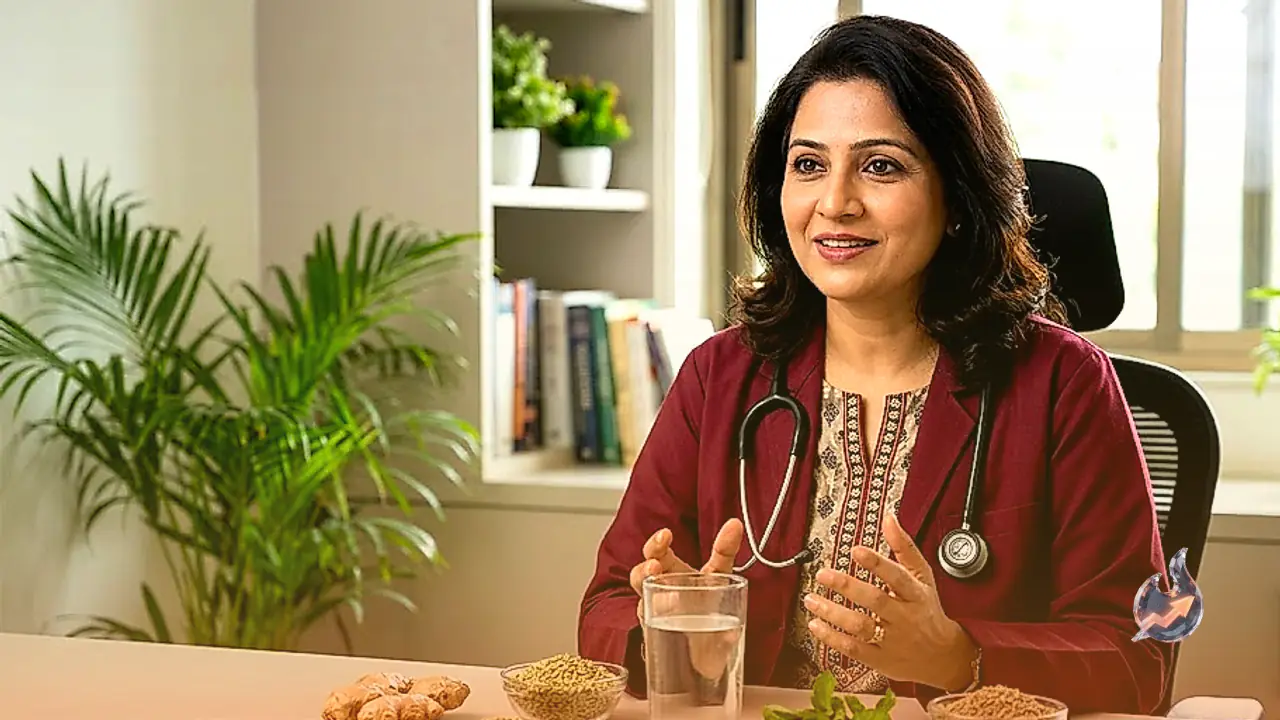















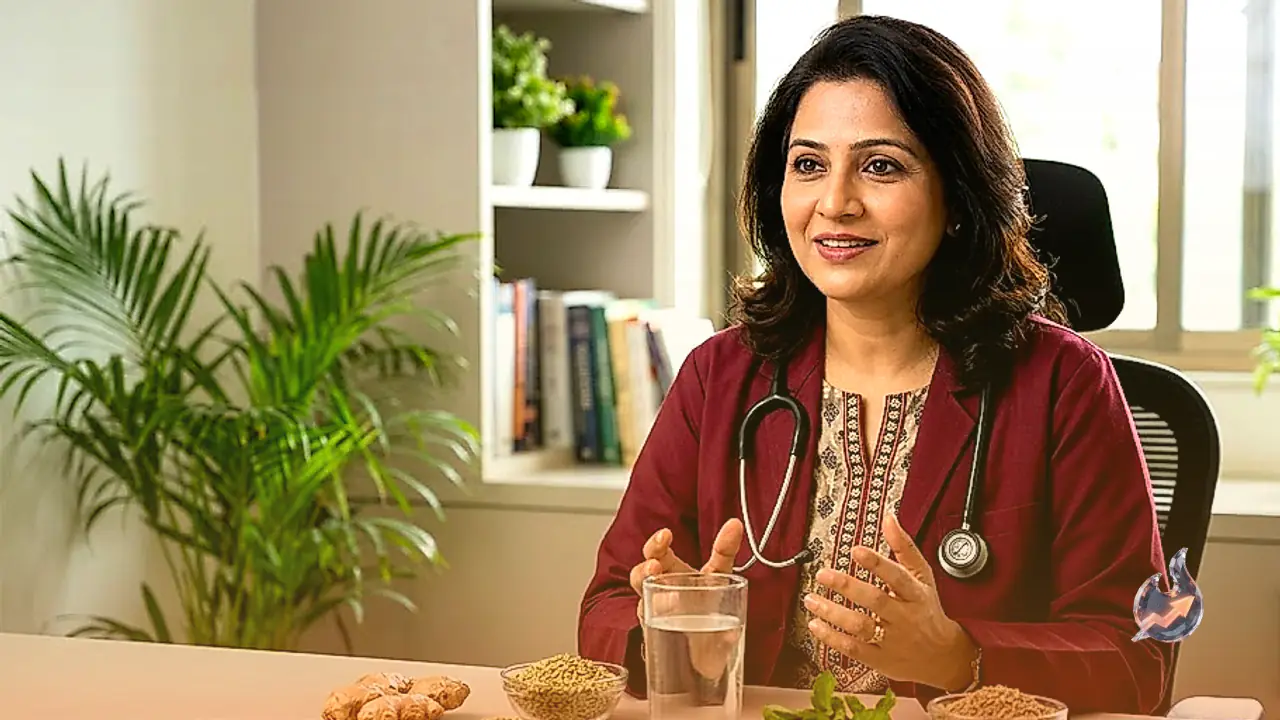

Experiencing abdominal tightness, gas accumulation, and sudden heaviness shortly after finishing a meal is a frequent complaint for many individuals. The discomfort often intensifies when accompanied by sour belching and a persistent burning sensation across the chest area. Addressing this recurring digestive issue, Dr. Shalini Singh Salunkhe, an internal medicine specialist and general physician practicing at Inamdar Multispeciality Hospital in Pune, outlined practical home interventions and daily dietary routines designed to provide meaningful relief from gastric distress.
Five Kitchen Remedies to Relieve Gastric Discomfort
Everyday ingredients readily available in domestic kitchens can function as mild, supportive aids for gastrointestinal stability. Dr. Salunkhe highlighted five specific dietary inclusions capable of easing post-meal sluggishness and bloating
- Warm Ginger Water: Ginger-infused water serves as an effective soothing agent against abdominal irritation and digestive turbulence. To make it, boil several fresh ginger slices in a cup of water, allow the decoction to cool down to a warm temperature, and sip slowly.
- Fennel Seed Brew: Fennel seeds have long been relied upon to manage irregular digestion and gas formation. Preparing this drink requires boiling a single spoonful of whole fennel seeds in one cup of water, after which the liquid should be strained and consumed warm.
- Fresh Bananas: Serving as a nutrient-dense source of dietary fiber, bananas fit neatly into a well-balanced nutritional routine. The dietary bulk provided by this fruit supports healthy bowel regularity, mitigating issues that compound gastric distress.
- Cumin Infusion: Water infused with cumin seeds offers perceptible relief to individuals troubled by full, bloated stomachs after eating. One prepares this remedy by boiling half a teaspoon of cumin seeds in a cup of water and drinking the strained brew while warm.
- Chamomile Herbal Tea: Chamomile tea remains a favored caffeine-free herbal preparation known for inducing systemic physical relaxation. Drinking a warm cup helps manage sluggish digestion, tightness, and post-meal abdominal discomfort.
Crucial Daily Habits for Healthier Digestion
Relying solely on herbal concoctions rarely solves chronic bloating unless accompanied by disciplined eating patterns. Meals should always be consumed at a measured, unhurried pace. Eating too rapidly causes individuals to swallow excess atmospheric air, immediately increasing gastric pressure within the gastrointestinal tract.
Furthermore, reclining or going straight to bed immediately upon finishing a meal creates severe digestive sluggishness. Engaging in a gentle ten to fifteen-minute stroll shortly after eating encourages mechanical gastric transit. Complementing this routine by wrapping up dinner before 7 PM grants the metabolic system adequate time to process sustenance well before sleep begins.