




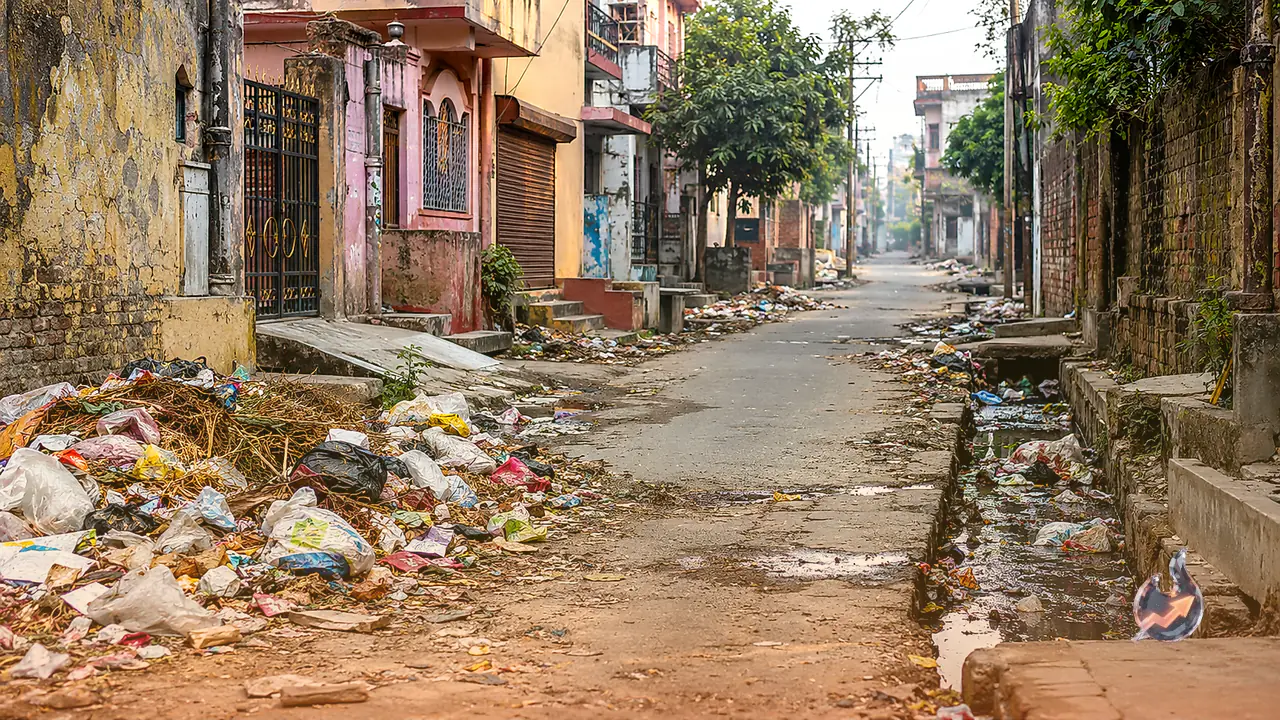


















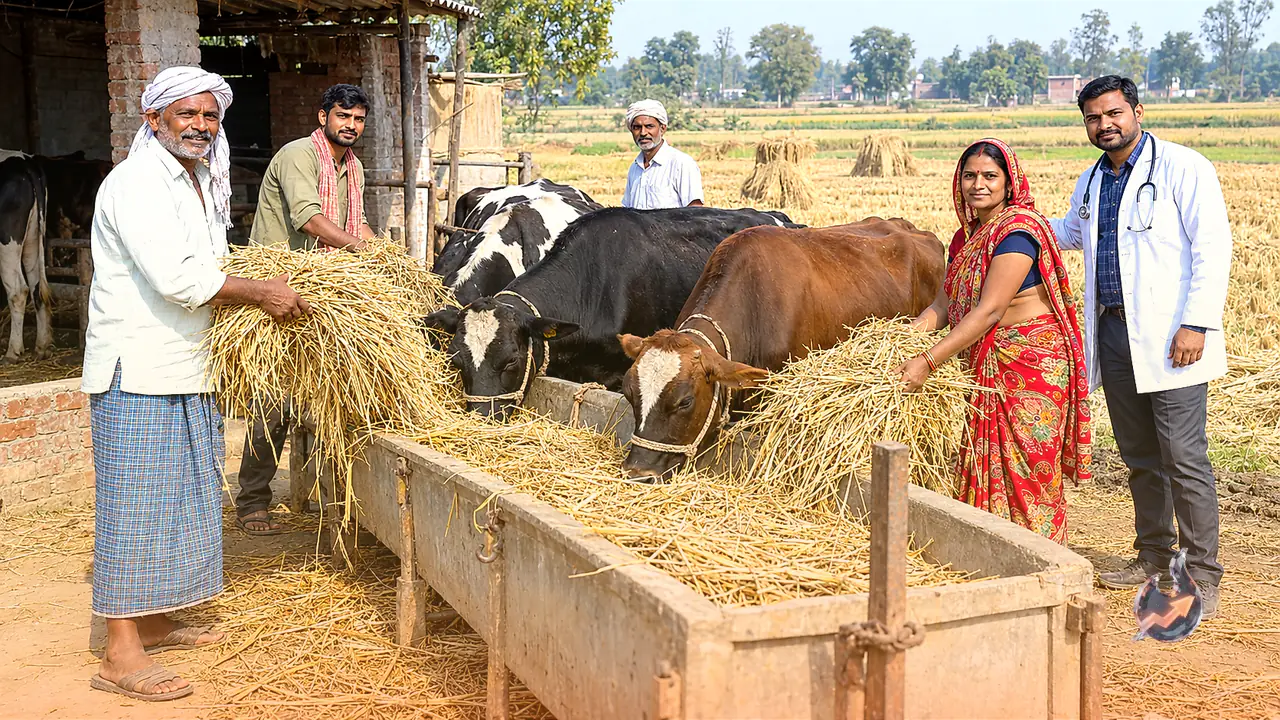

Farming communities in Lakhimpur Kheri are showing a growing inclination towards combining traditional agriculture with dairy farming. Animal husbandry is emerging as a vital source of livelihood in rural parts, with numerous villagers raising cows and buffaloes to sell milk and increase their household income. However, achieving strong profits in the dairy sector requires paying close attention to the proper care and nutrition of the livestock. Failing to provide a balanced and nutritious diet can adversely impact both the health of the animals and their milk output. In this scenario, the paddy straw left over in fields after harvesting is proving quite useful for cultivators. By utilizing this residue correctly, farmers can alleviate fodder shortages to some extent and keep the operational costs of animal rearing under control.
Utility of paddy straw for livestock
Harvesting work is currently underway across rural pockets of the district. A large volume of straw remains scattered across fields after the crops are cut. While farmers traditionally worry about clearing or disposing of this residue, those engaged in animal husbandry can repurpose it as dry fodder. Paddy straw contains fiber that aids in the normal functioning of the digestive system of livestock. However, compared to green fodder and other high-quality animal feeds, it contains lower amounts of protein, energy, and several essential nutrients. Consequently, paddy straw should be incorporated into the diet of animals in limited quantities only. It must be supplemented with green fodder, grain, oilcakes, bran, and mineral mixtures as needed to ensure the animals receive essential nutrients and maintain better overall health.
A buffer during green fodder shortages
Animal rearers in rural areas frequently encounter challenges regarding the availability of green fodder at different times of the year. Drought conditions during summer, waterlogging in fields during floods, and seasonal shifts often make it difficult to secure an adequate supply of green forage. Under such circumstances, farmers can rely on paddy straw as a dry fodder alternative. Storing the straw in a dry and secure location allows it to be preserved for long-term use, offering relief to farmers during feed shortages. Those with adequate storage facilities can gather the straw during harvest season to feed their animals when necessary. It is crucial to protect the stored straw from rain and outdoor moisture. Wet, decayed, or mold-infected straw can prove detrimental to animal health, making quality checks essential before feeding.
Balanced nutrition enhances milk yield
Obtaining higher milk yields in dairy farming requires more than simply providing large quantities of feed. Animals must be given a balanced diet tailored to their age, weight, milk production level, and physical condition. Feeding an animal exclusively on straw fails to supply adequate protein, energy, and minerals, which can ultimately depress milk output. To counter green fodder deficits, farmers can also adopt silage-making techniques. This process typically involves fermenting maize, sorghum, or other suitable green fodders under controlled moisture and airtight conditions to preserve them for extended periods.
Veterinary guidance on balanced diets
Discussing the matter, veterinary doctor Dr. Hemant Singh noted that paddy harvesting is currently ongoing and farmers are feeding straw to their livestock. He advised that straw should be given to animals in limited quantities. Dr. Singh stated that "पशुओं को पुआल सीमित मात्रा में खिलाना चाहिए." According to Dr. Singh, feeding schedules should not rely solely on dry fodder, and incorporating green fodder and necessary grains is indispensable. Animals must be provided with sufficient drinking water and kept in clean living quarters. If a livestock owner notices a sudden drop in milk production, a decrease in feed intake, or any physical changes in the animal, they should consult a veterinarian immediately.