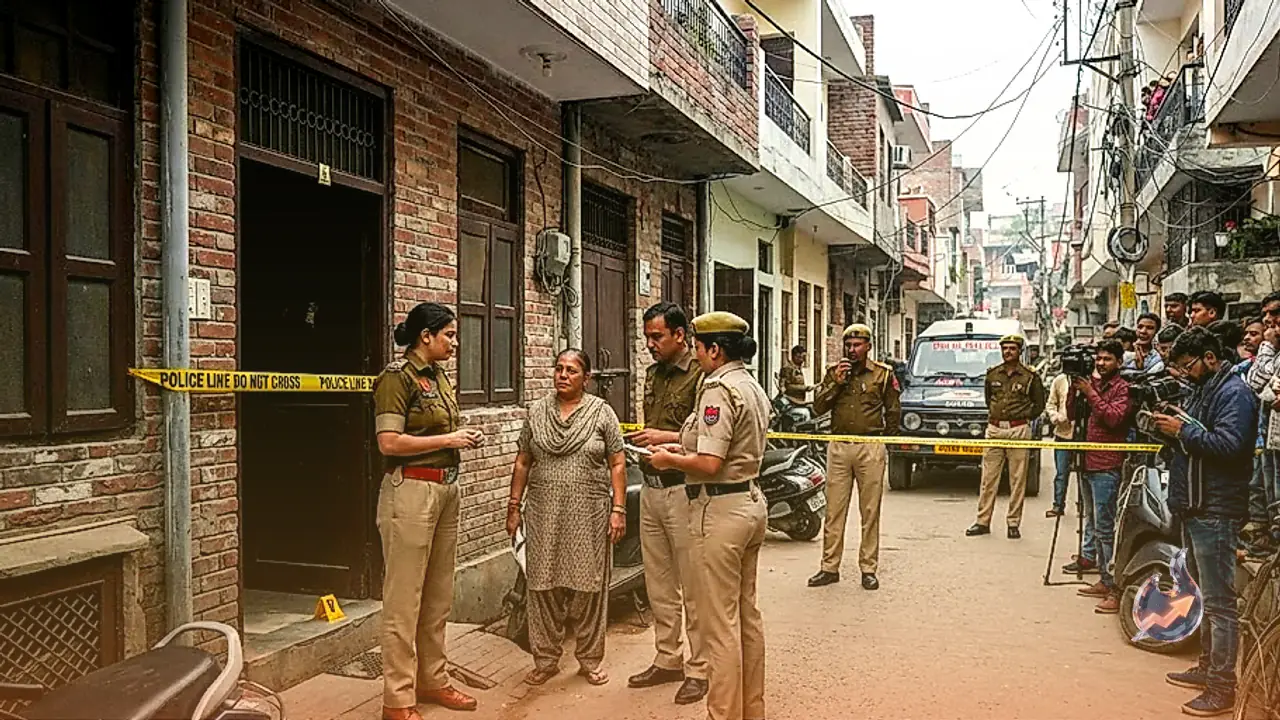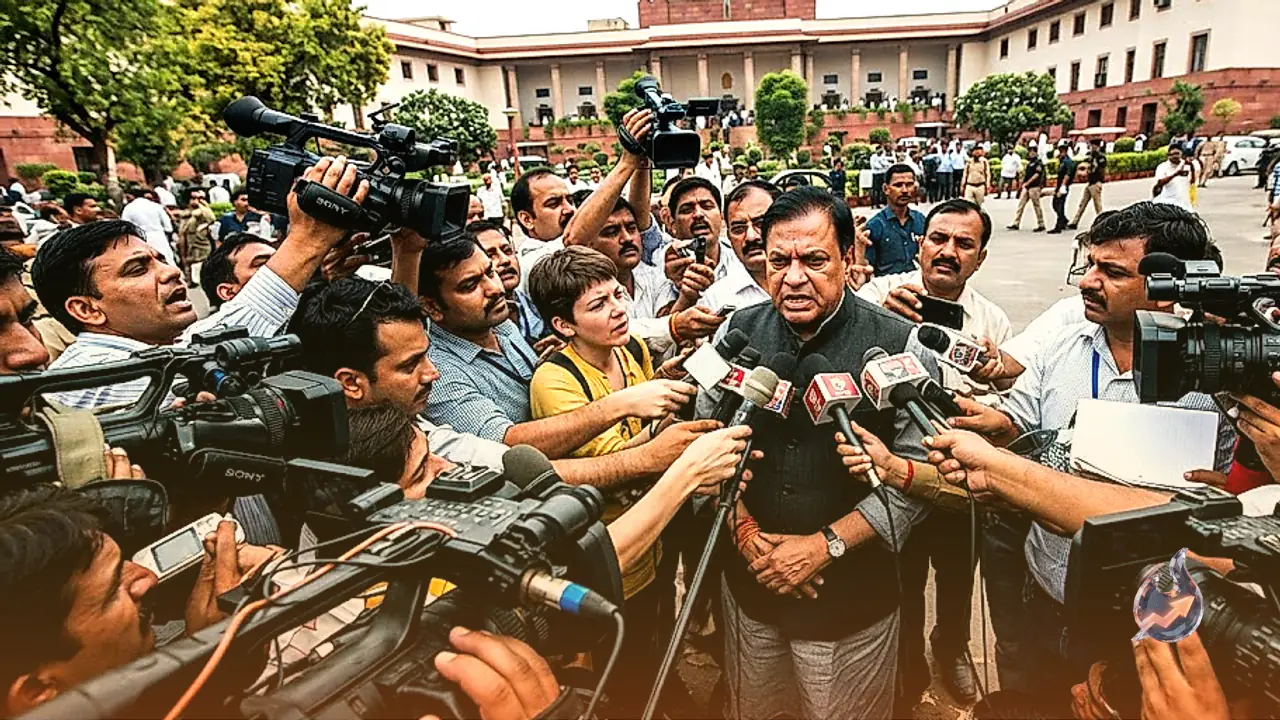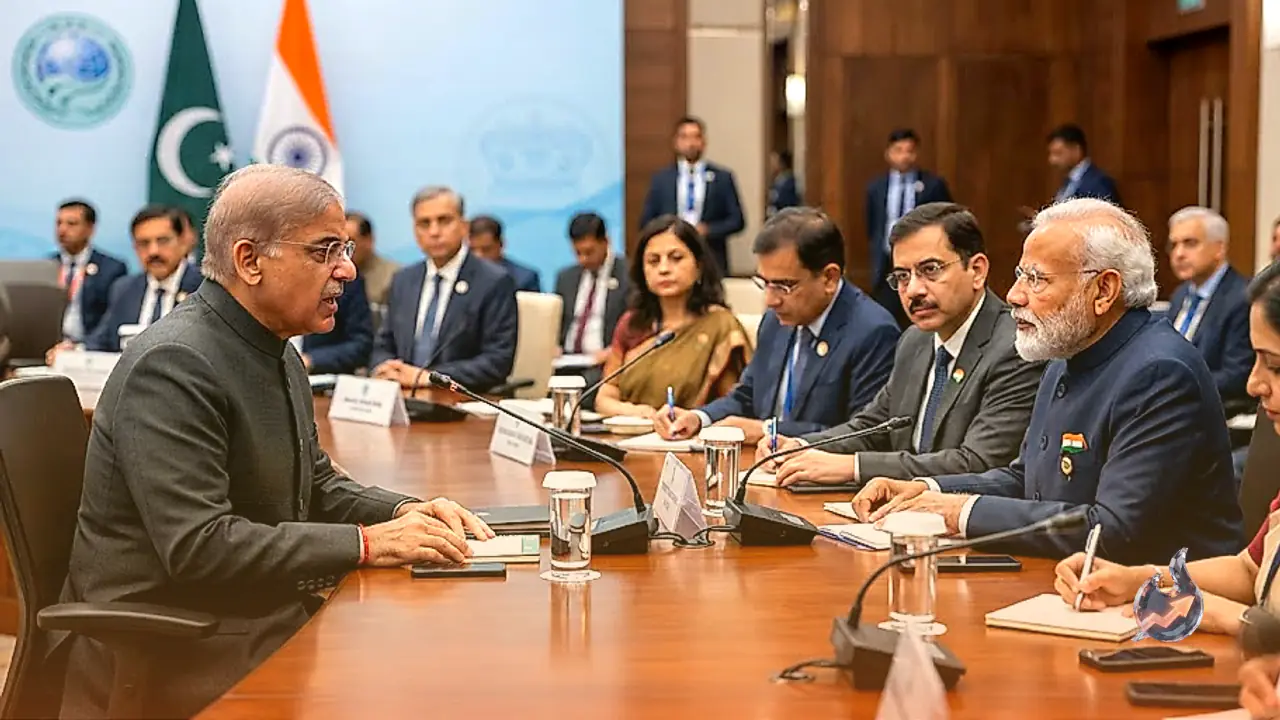














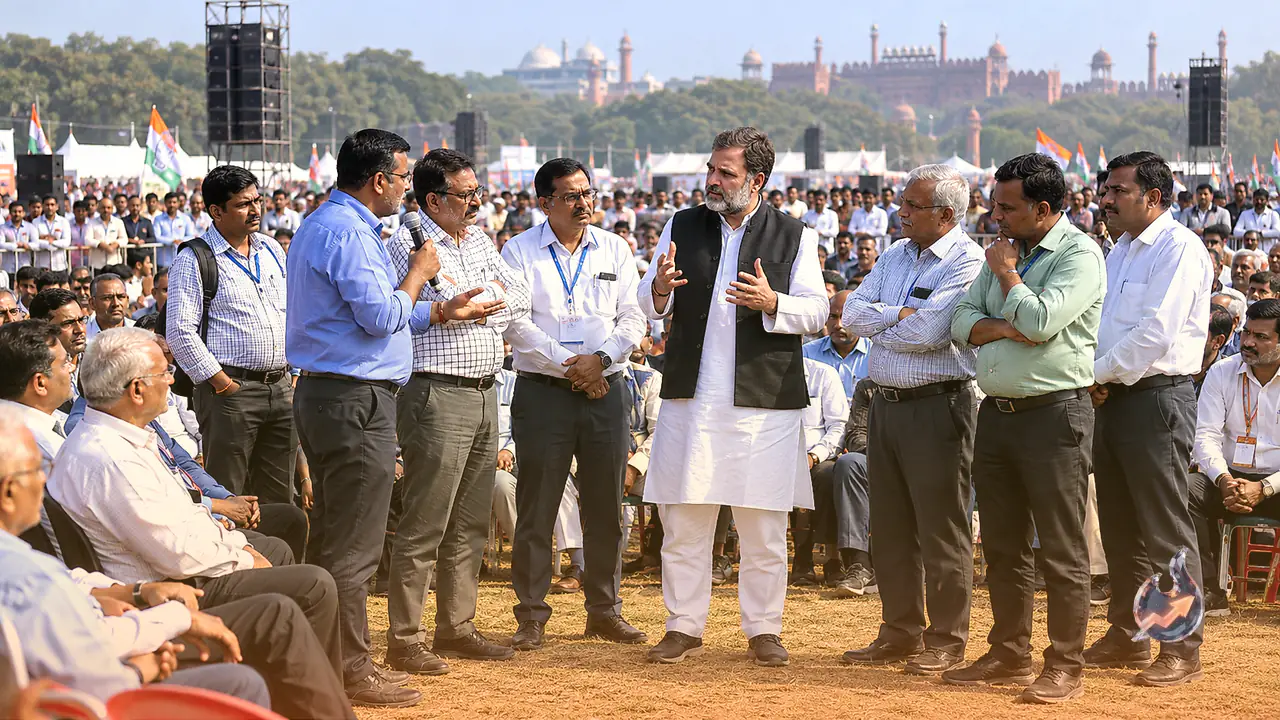

Amid concerns over peak festive commerce in the national capital, wholesale commercial leaders have sought direct engagement with the political opposition. Brijesh Goyal, Chairman of the Chamber of Trade and Industry, dispatched an open letter on October 28 to Rahul Gandhi, the Leader of Opposition in the Lok Sabha. The communication proposes an open and democratic debate over a massive political gathering scheduled for November 1 at Ramlila Maidan, which business owners fear could derail retail and wholesale movement.
The Proposed Format and Mutually Binding Condition
The business body presented a specific dialogue structure to the parliamentarian. Under this proposal, 20 trade delegates representing 20 critical wholesale markets located near Ramlila Maidan are requesting an appointment of exactly 20 minutes with Rahul Gandhi. CTI clarified that if the political leadership can establish during this 20-minute window that drawing an estimated 10 lakh attendees into Ramlila Maidan on November 1 will expand foot traffic and stimulate local retail numbers, the trade body will instantly drop all objections and welcome the event.
Conversely, the proposal outlines that if the 20 delegates succeed in demonstrating that such a massive congregation will trigger major financial losses across the 20 neighboring hubs during the height of the festive season, the rally must be postponed past Diwali in the interest of the wider public. Emphasizing constructive engagement, Brijesh Goyal stated,
We want dialogue, not confrontation.He added that since the opposition leader often emphasizes hearing the concerns of micro-enterprises and shopkeepers, granting 20 minutes to 20 trade delegates fits the spirit of democratic accommodation.
Invoking the Shop of Love Metaphor
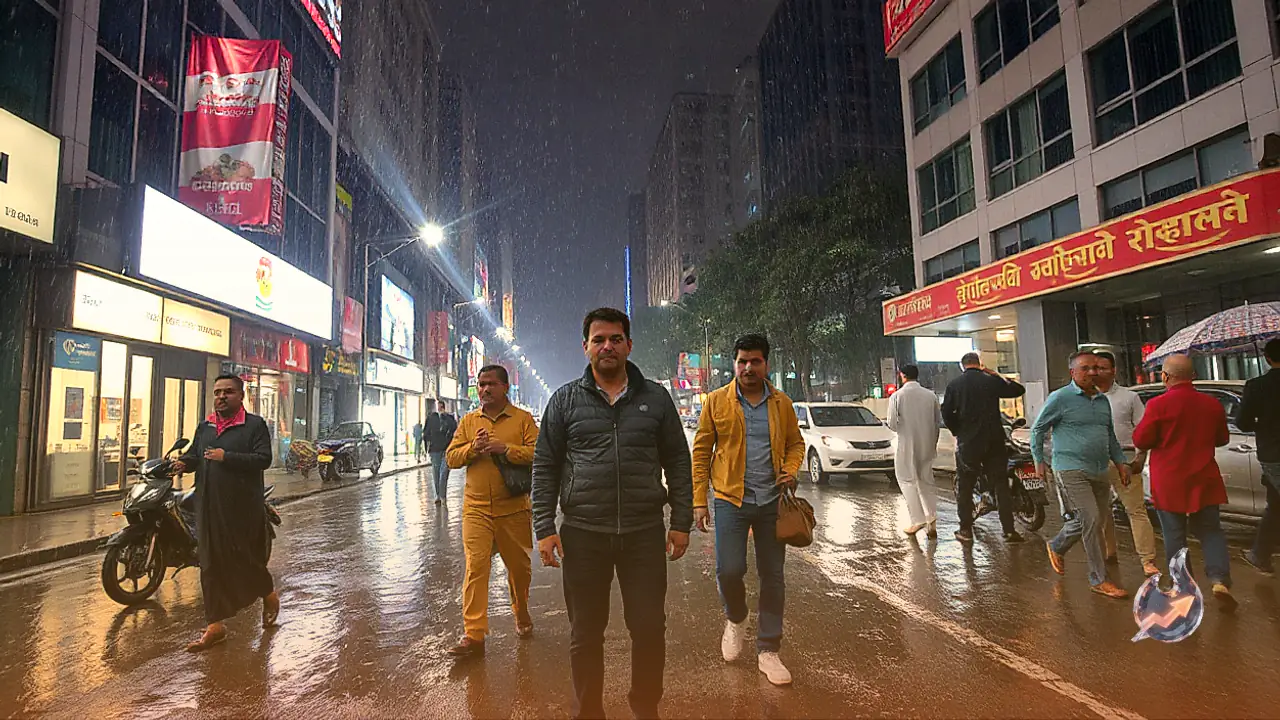
The correspondence made specific mention of Rahul Gandhi's broader political themes regarding fraternity and social harmony. CTI noted in the communication that while the trading community respects his ideological position of opening a shop of love, that metaphorical establishment must not inadvertently cause real-world shops to close down in the midst of Diwali trade. The letter underlined that hard-working business operators represent the true visage of that enterprise, urging the leadership to prioritize the livelihoods of local merchants during their busiest economic period of the calendar year.
The Twenty Crucial Commercial Hubs at Risk
The central point of friction is the geographic proximity of key marketplaces to Ramlila Maidan, with affected destinations lying within a tight radius of 1 to 5 kilometers. Business associations point out that accommodating nearly 10 lakh visitors on November 1 would inevitably choke freight corridors, paralyze public access, and deter ordinary shoppers. The 20 wholesale centres cited in the letter encompass
- Chandni Chowk, Bhagirath Palace, and Khari Baoli
- Sadar Bazar, Chawri Bazar, and Kashmiri Gate
- Nabi Karim, Karol Bagh, and Ajmeri Gate
- Daryaganj, Nai Sarak, and Kinari Bazar
- Dariba Kalan, Fatehpuri, and Naya Bazar
- Filmistan, Paharganj, and Gaffar Market
- Jama Masjid-Meena Bazar, alongside Lajpat Rai Market
These commercial districts form the backbone of North and Central Delhi trade, driving high-volume sales in electronics, electrical components, spices, dry fruits, apparel, jewelry, books, stationery, machinery, automotive spare parts, furniture, timber, mobile devices, crockery, and daily groceries. Given that pre-Diwali transactions generate a significant portion of annual earnings for these establishments, traders remain firm that administrative scheduling should not jeopardize their main earning window.