






















For millions of retired government employees, a monthly pension is not just a financial benefit but the primary source of livelihood and dignity in their twilight years. However, the path to receiving these dues is often riddled with bureaucratic hurdles and confusing paperwork. Prolonged delays, disputes over eligibility criteria, and ambiguous regulations frequently force senior citizens to seek justice through the judicial system. Recognizing this hardship, the central government has initiated a comprehensive review of existing pension guidelines to eliminate the root causes of such protracted legal battles.
The core issue lies in the fact that many current regulations were drafted decades ago. While societal norms and family structures have evolved significantly over time, the administrative framework governing retirement benefits has often remained static. This disconnect creates fertile ground for differing interpretations and frequent eligibility disputes. Consequently, pensioners find themselves waiting for months or even years to receive their rightful financial support, with many cases inevitably landing in court.
Updating Outdated Regulations
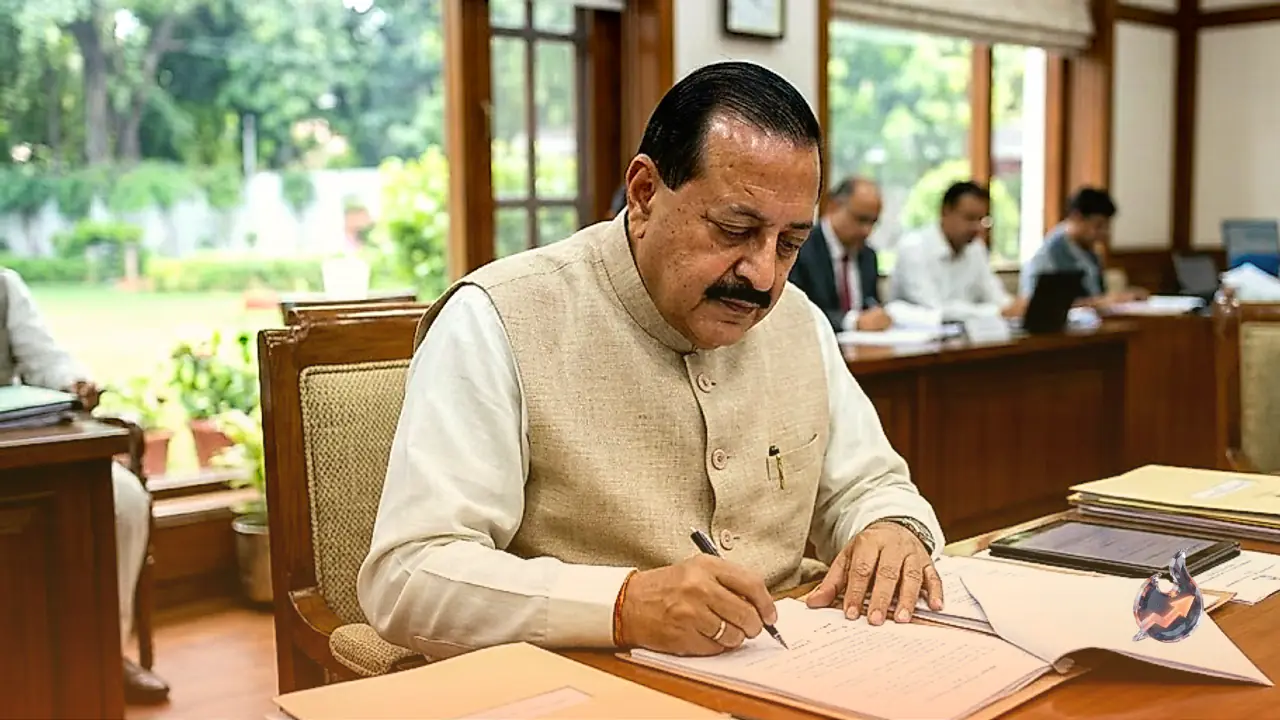
The government's renewed focus on this issue was highlighted during the second workshop on pension litigation. Addressing the gathering, Minister of State for Personnel, Public Grievances and Pensions Dr. Jitendra Singh emphasized the need for systemic reform. He pointed out that obsolete rules are the primary drivers of recurring disputes. The administration's current objective is to proactively prevent these situations so that beneficiaries can receive their payments on time without facing unnecessary friction.
Dr. Jitendra Singh noted that merely addressing individual complaints as they arise is an inadequate solution for a widespread problem. When a specific type of grievance surfaces repeatedly, it indicates a fundamental flaw in the underlying regulation. Therefore, the administration is shifting its strategy from reactive problem-solving to proactive policy review. By identifying and amending the specific rules that consistently generate conflict, the government aims to create a smoother, more transparent process for all retirees.
Recent Reforms and Their Impact
The push for modernization has already yielded tangible results through several recent policy adjustments. A prominent example is the relaxation of family pension rules for separated daughters. By simplifying the eligibility requirements in such cases, the government has addressed a major pain point that previously led to numerous legal challenges. Other older provisions have also undergone necessary amendments to ensure that eligible individuals can access their benefits directly, without needing judicial intervention.
These targeted modifications have successfully reduced the volume of legal disputes and fostered a more compassionate administrative environment. The ultimate vision is to establish a robust framework where approaching a court for retirement benefits becomes entirely unnecessary. To achieve this, the government is committed to further simplifying procedures and ensuring that different ministries work together seamlessly.
Faster Grievance Redressal and Future Outlook
Alongside regulatory updates, the administration is heavily investing in improving its grievance redressal mechanisms. By closely monitoring litigation trends and actively gathering feedback from pensioners, authorities can identify loopholes and rectify them swiftly. This data-driven approach is expected to significantly enhance the overall efficiency of the pension distribution network.
The impact of these systemic improvements is already visible in recent statistics. Over the past year, the number of pension-related court cases has seen a noticeable decline of approximately twenty percent. Furthermore, the efficiency of the centralized portal CPENGRAMS has improved dramatically. The average time taken to resolve a registered complaint on this platform has now dropped to under twenty days. As the government continues to refine these rules and processes, retirees can look forward to a more reliable system that delivers their rightful financial support without unnecessary delays or legal complications.
Retirement is envisioned as a period of peace and relaxation, not a time to be spent navigating endless bureaucratic mazes and crowded courtrooms. A government employee dedicates their entire working life to public service, making the prompt disbursement of pension a fundamental right rather than a privilege. Unjustified delays in releasing these funds do not merely disrupt the financial stability of senior citizens; they also inflict severe psychological stress and anxiety. Policymakers and administrators are increasingly recognizing this crucial human element. Consequently, there is a growing emphasis on fully digitizing the pension disbursement process to minimize manual intervention. By establishing crystal-clear regulations and a highly transparent implementation mechanism, the government aims to eliminate any scope for red tape or procedural bottlenecks. This proactive approach clearly demonstrates the administration's deep commitment to its senior citizens. The ultimate objective is to build a completely hassle-free, respectful, and dignified system that honors the lifelong contributions of retired employees without subjecting them to systemic indignities.