























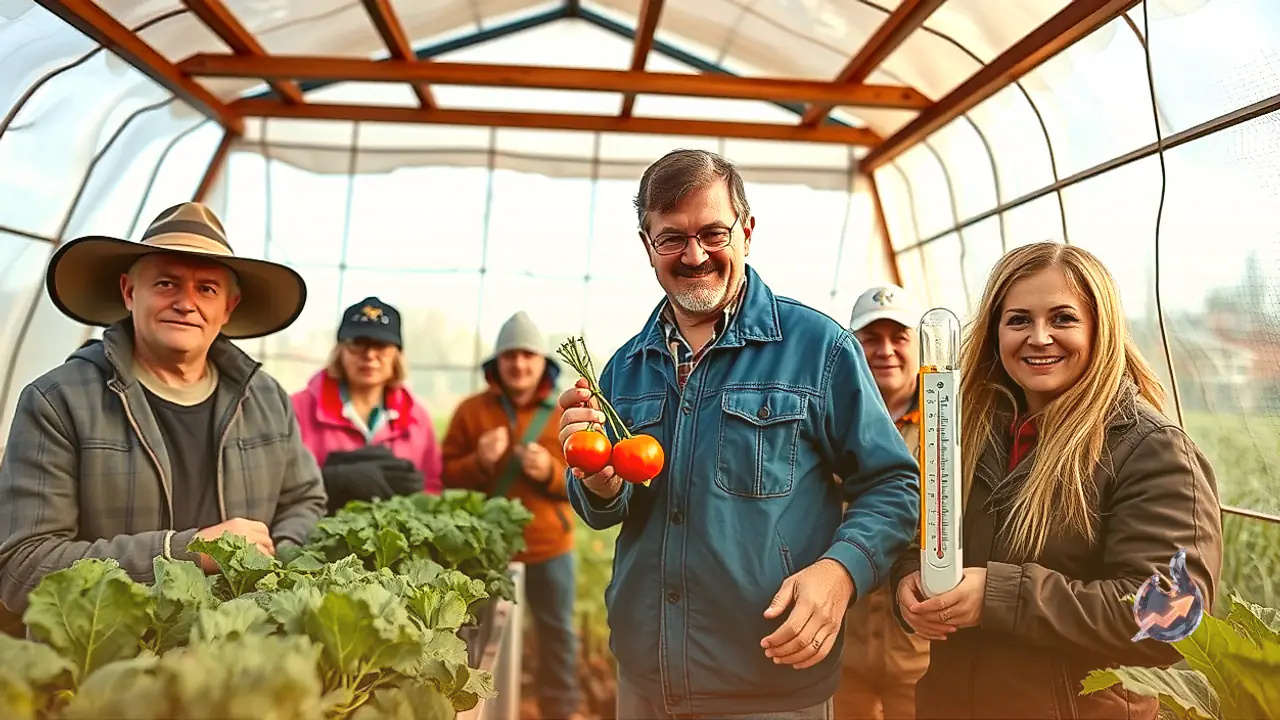

A gradual decline in atmospheric temperatures typically begins after October 15, creating an optimal agro-climatic environment for planting a variety of cool-season vegetable crops. By carefully aligning crop selections with prevailing climatic trends, growers can achieve bountiful harvests with reduced production expenses and introduce their harvest to commercial mandis right on schedule.
Early Pea Sowing Offers Early Market Advantages
Opting for green peas during this seasonal phase represents an attractive economic opportunity for growers. Establishing an early pea crop allows the produce to mature quickly and enter wholesale markets well ahead of the primary seasonal influx. To secure optimal yield and vigorous plant architecture, agricultural producers should utilize certified quality seeds and maintain appropriate spacing between individual plants across the field plots.
Root Development in Carrots and Turnips Under Cooling Skies
The post-mid-October timeline is equally well suited for sowing underground root vegetables such as carrots and turnips. As ambient cold deepens, the root systems of these plants experience robust enlargement and physiological maturation. Achieving superior produce quality requires preparing the field with thoroughly friable soil so that root elongation is unhindered, combined with regulated irrigation scheduled strictly according to moisture needs.
Managing Varietal Timelines for Cauliflower and Cabbage
The second half of October is a decisive operational window for brassica crops. Farmers cultivating cauliflower should evaluate locally adapted cultivars that suit regional microclimates prior to transplanting seedlings into main fields. Alongside adequate water application, consistent vigilance against destructive insect pests and plant pathogens is vital throughout the vegetative period.
Cabbage seedlings can likewise be established in agricultural fields following October 15. A strategic agronomic technique involves selecting varieties characterized by staggered maturity intervals. Distributing harvest timelines across different dates eliminates the operational bottleneck of having to liquidate an entire farm's output at once, allowing market supply to remain orderly.
Targeted Care for Capsicum and Turnip Productivity
Achieving profitable yields with capsicum demands rigorous attention to initial nursery plant vigor and transplant health. Providing adequate moisture regimes, balanced application of necessary soil nutrients, and methodical field management ensures hardy canopy expansion. Growers must also enact prompt plant protection measures the moment any pest infestations or fungal symptoms emerge.
Direct sowing of turnips initiated after October 15 similarly benefits from lowering temperatures, which assist directly in root swelling. Placing quality seed at the correct planting depth in well-conditioned soil alongside need-based watering produces firm and marketable roots. Ultimately, selecting the ideal mix of vegetables hinges upon specific soil conditions, local temperature patterns, water availability, and regional consumer demand. Cultivating an assortment of vegetables that mature over alternating timeframes helps farmers regulate their marketing calendar effectively.